Coffee Beads

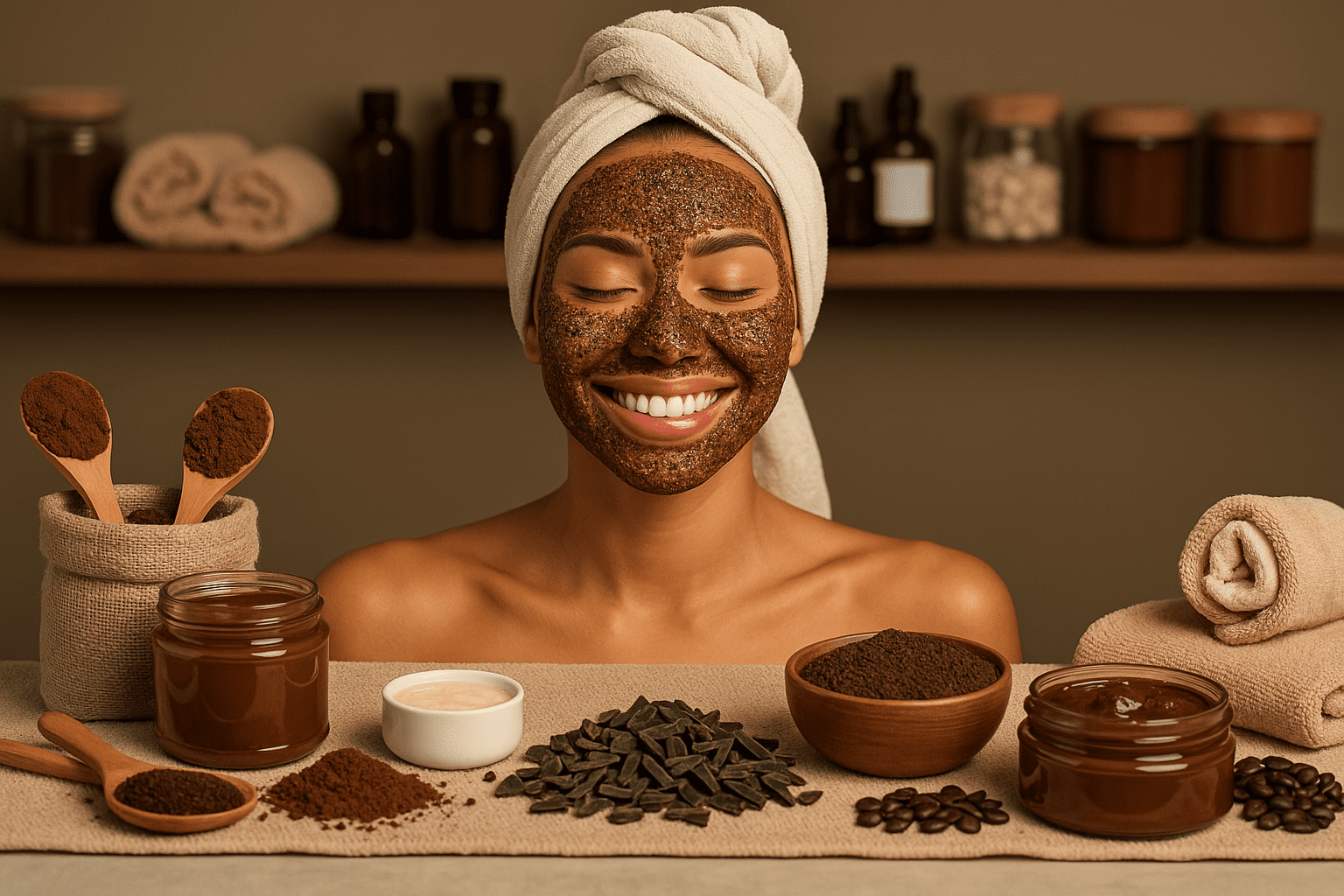
Coffee Beads are natural exfoliating granules produced from calibrated grinding of Coffea arabica beans. They are fully biodegradable and serve as a sustainable alternative to synthetic microbeads. In addition to mechanical exfoliation, the beads release bioactive compounds such as caffeine and phenolic acids. These molecules contribute antioxidant, detoxifying, and microcirculation-stimulating effects, supporting improved skin tone and overall skin vitality. Particle sizes are optimized for facial, body, and scalp applications, ensuring both efficacy and formulation flexibility.

INCI Name

Coffea Arabica Seed Powder
Coffee Beads exfoliant natural scrub ingredient

Benefits & Applications

  • Powder
  • Mechanical exfoliation: removes dead cells, stimulates circulation
  • Caffeine & phenolic acids: detoxifying, antioxidant action
  • Exfoliants
  • Facial scrubs
  • Body scrubs
  • Exfoliating masks
  • Scalp scrubs and hair care treatments
  • Asia Pacific
  • Europe
  • Latin America
  • North America
  • Smooths and refreshes skin
  • Boosts radiance and skin tone
  • Detoxifies and energizes
  • Provides antioxidant protection
  • Plastic-free, biodegradable alternative to microbeads

Related Products

Olive Beads exfoliant natural scrub ingredient

Olive Beads

Olive Beads are obtained through the upcycling of Mediterranean olive pits, a by-product of olive oil production. They are 100% natural, fully biodegradable exfoliating granules designed as a sustainable alternative

Explore more
Jorange C Brightening Stable Vitamin C Active

JOrange-C

Formulated with α-hydroxy acids and natural active ingredients, JOrange-C enhances elasticity, restores brightness, and delivers an immediate lifting effect to the facial skin.

Explore more
Professional woman applying anti-aging cream containing Hydroxypropyl Tetrahydropyrantriol.

Grand HPTP

Grand HPTPis a high-performance active featuring Hydroxypropyl Tetrahydropyrantriol derived from beech wood. This sugar protein defends the skin against water loss by upregulating moisturizing-related genes. It acts as a metabolic

Explore more