HydraOIL

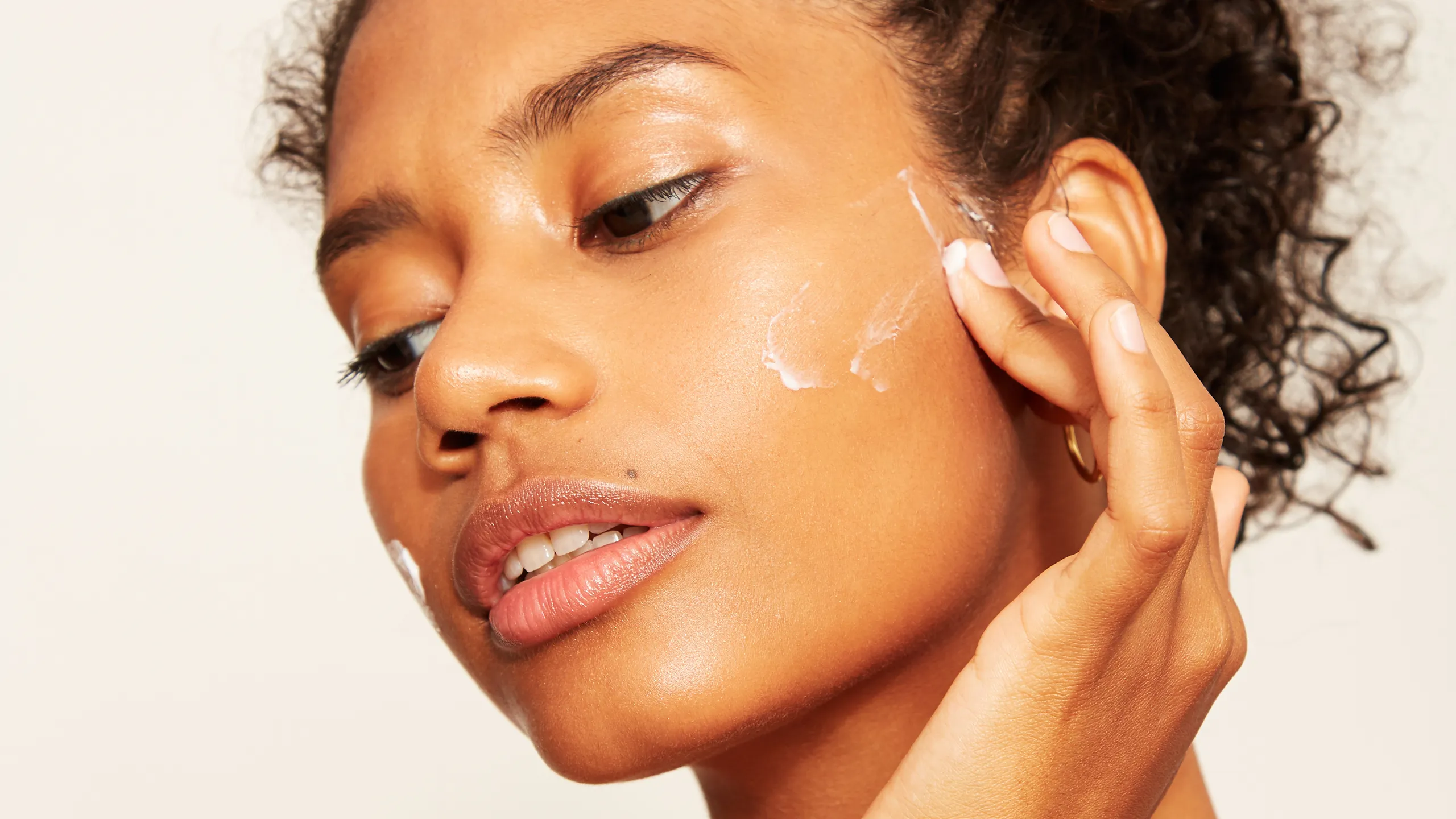
HydraOIL blends high-quality vegetable oils, each rich in bioactive substances that support skin health. These oils work together to deliver strong moisturizing and antioxidant effects. They deeply hydrate the skin and form a protective barrier that locks in moisture. This barrier helps maintain long-lasting hydration. The antioxidants in HydraOIL protect the skin from environmental stressors and neutralize free radicals. By reducing oxidative stress, they slow premature aging and limit skin damage. This combination keeps the skin nourished, supple, and radiant. HydraOIL offers a vital ingredient for skincare formulations that enhance skin health and vitality.

INCI name

Persea Gratissima Oil, Oryza Sativa Bran Oil, Simmonsia Chinensis Seed Oil, Vitis Vinifera Seed Oil, Cocos Nucifera Oil, Opuntia Ficus Indica Seed Oil
HydraOIL functional moisturizing and barrier repair ingredient

Benefits & Applications

Physical form at 25°C

  • Liquid

Functions

  • Moisturizer
  • Antioxidant

Category

  • Skin care

Applications

  • Skin care

Regional availability

  • Asia
  • Europe
  • Latin America
  • N America

Consumer benefit

  • Moisturizer
  • Antioxidant

Related Products

ConnAPIC functional skincare active with anti-inflammatory and postbiotic properties

CONNAPIC

A patented active derived from Connarus semidecandrus, a medicinal plant traditionally used across Southeast Asia. It offers strong anti-inflammatory, anti-allergy, and anti-atopic properties. Proven in vitro to reduce β-hexosaminidase (allergy),

learn more
VegSYRUP-1 natural hydration and moisturizing cosmetic ingredient

VegSYRUP-1

Studies on VegSYRUP-1 used three-dimensional models of artificially dehydrated epidermis. These tests showed strong moisturizing efficacy. Treatment with the active improved skin structure in visible ways. Histological analysis confirmed hydration

learn more
Mediterranean Whitening Brightening Natural Whitening Active

Mediterranean Whitening

Mediterranean Whitening works by targeting the key enzyme involved in melanin production—tyrosinase. During melanogenesis, melanocytes naturally generate hydrogen peroxide, which can trigger oxidative stress and lead to the formation of

learn more