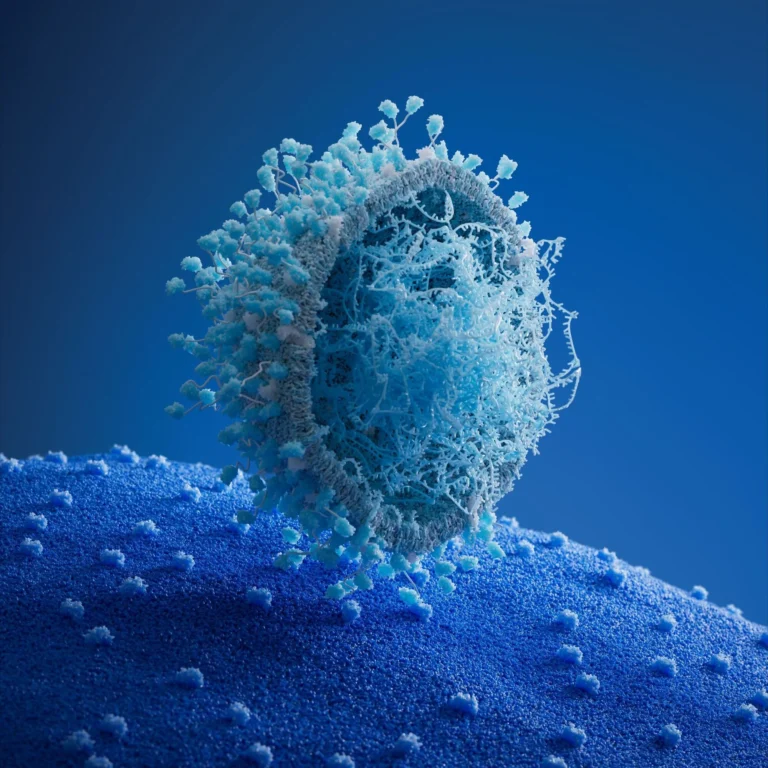


The skin barrier is more than a static wall—it is a responsive biological network that adapts to stress, hydration, and microbiome balance. As formulation science evolves, new ingredients are being designed to communicate directly with this network. Among them, postbiotic ceramides have emerged as a new generation of smart barrier actives that unite microbiome science with lipid engineering.
The evolution from barrier repair to barrier intelligence
Traditional moisturizers aimed to fill lipid gaps and prevent water loss. However, modern cosmetic biology recognizes that barrier function depends on signaling, not just structure. Environmental stress, pollution, and harsh cleansers disrupt both microbial balance and lipid metabolism, triggering inflammation and dehydration. Postbiotic ceramides solve this by providing not only structural lipids but also bioactive metabolites that guide skin cells to repair themselves intelligently.
What are postbiotic ceramides?
Postbiotic ceramides combine two scientific concepts: microbial fermentation and barrier lipid synthesis. Through fermentation, beneficial bacteria produce enzymes and metabolites that modify plant-derived sphingolipids into ceramide-like structures enriched with bioactive side chains. Consequently, these molecules act as both physical fillers and biological messengers. They replenish lipid lamellae while activating key genes involved in differentiation, hydration, and immune tolerance.
How they differ from traditional ceramides
Conventional ceramides focus primarily on restoring structure. In contrast, postbiotic ceramides communicate with the skin’s microbiome and immune receptors. For example, they can increase expression of filaggrin and loricrin, improve ceramide synthase activity, and modulate antimicrobial peptides. Additionally, their fermentation-derived peptides and fatty acids support the growth of beneficial microbes while reducing opportunistic bacteria. This dual action—repair and communication—defines the concept of a “smart barrier.”
Mechanisms of action
- Lipid replenishment: Restores ceramide NP, AP, and EOP levels for stronger lamellar structure.
- Barrier signaling: Postbiotic metabolites upregulate barrier genes via PPAR and SIRT pathways.
- Microbiome balance: Fermentation residues maintain acidic pH and selective flora support.
- Inflammation control: Peptides from fermentation inhibit NF-κB signaling, calming sensitive skin.
- Hydration improvement: Increases natural moisturizing factor synthesis and lipid fluidity.
Therefore, postbiotic ceramides strengthen the barrier both physically and biologically, adapting to changing conditions such as humidity or pollution exposure.
Clinical validation
Several studies demonstrate that postbiotic ceramide systems significantly improve barrier performance. In one clinical trial, participants experienced a 35 % decrease in TEWL and a 30 % increase in hydration within two weeks. Moreover, redness and discomfort decreased visibly, showing that the skin not only retained moisture but also regained self-regulation capacity.
Formulation strategies for smart-barrier systems
To ensure maximum performance, formulators should consider both the lipid composition and microbial compatibility. Maintaining a pH of 4.5–5.5 allows ceramide ester groups to remain stable while supporting microbiome homeostasis. Additionally, combining postbiotic ceramides with humectants and emollients—such as squalane, phytosterols, or hyaluronic acid—enhances sensory feel and long-term hydration.
- Recommended concentration: 0.5–3 % depending on lipid type.
- Processing tip: Incorporate below 70 °C to preserve fermentation peptides.
- Synergistic actives: Niacinamide, fatty acid esters, and fermented amino acids for full lipid cycle recovery.
Integration into product types
- Barrier creams: Intelligent repair systems that respond to environmental stress.
- Serums: Lightweight lipid-postbiotic hybrids that absorb quickly and reinforce the barrier.
- Cleansers: Low-foaming emulsions enriched with postbiotic ceramides to maintain lipid balance.
- Masks: Barrier-sealing biocellulose masks infused with postbiotic lipid complexes.
- Scalp treatments: Microbiome-friendly ceramide emulsions improving comfort and resilience.
Because they are biologically active yet non-living, postbiotic ceramides integrate easily into both rinse-off and leave-on systems without the stability challenges of probiotics.
AI-guided lipidomics and predictive formulation
Artificial intelligence is now helping chemists map how ceramide structures interact with skin proteins and microbes. Predictive lipidomics models identify optimal ratios between ceramide subclasses (NP, AP, EOP) to mimic young, resilient skin. In addition, AI platforms simulate how environmental factors affect lipid fluidity, guiding formulators to design climate-adaptive products. Consequently, postbiotic ceramides can be fine-tuned for different regions and seasons, advancing the concept of personalized barrier care.
Sustainability and biotechnology sourcing
Postbiotic ceramides are produced through renewable microbial fermentation of plant oils such as rice bran, corn, or jojoba. This process consumes less energy and generates fewer solvents compared to chemical synthesis. Moreover, the resulting lipids are fully biodegradable and MoCRA-compliant. Thus, these ingredients embody the values of clean beauty and circular biotechnology.
Explore postbiotic ceramides at Grand Ingredients
Find next-generation ceramide technologies and postbiotic lipid complexes in the Active Ingredients collection. Each material combines advanced fermentation science with lipid precision—empowering formulators to create barrier systems that adapt intelligently to the skin’s needs.
Conclusion: the future of adaptive barrier care
Postbiotic ceramides demonstrate that barrier repair is no longer about replacing what is lost—it is about teaching the skin to recover intelligently. By blending microbiome communication with lipid optimization, they mark the beginning of truly adaptive skincare. As biotechnology and AI continue to merge, the skin barrier will evolve from a passive shield into a self-regulating ecosystem of protection and renewal.