
Fermented plant extracts are redefining botanical skincare. Through controlled microbial processing, these extracts become richer in bioavailable compounds, smoother in skin feel, and stronger in clinical performance. Because fermentation transforms complex plant matrices into smaller, more active molecules, formulators now rely on biofermented botanicals to achieve results that traditional extracts simply cannot match.
Why Fermentation Elevates Botanical Performance
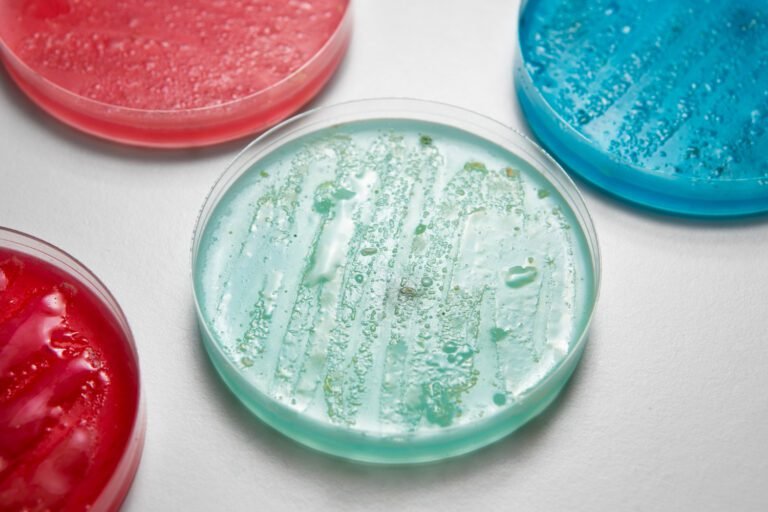
Fermentation increases potency by breaking down plant structures, liberating bound actives, and converting molecules into more usable forms. Enzymatic activity from Lactobacillus, yeast, or fungi drives this transformation. The process often enhances penetration, stability, and antioxidant power. As a result, fermented botanicals deliver more consistent activity across a range of skin types, including sensitive and reactive profiles.
How Fermentation Enhances Bioavailability
During fermentation, microbial enzymes cleave larger compounds into smaller fractions that penetrate more efficiently. This improves their ability to reach deeper layers of the epidermis. Many phenolic acids, flavonoids, and terpenoids become easier for the skin to utilize after microbial conversion. Because these compounds support antioxidant, soothing, and barrier-repair mechanisms, the increase in bioavailability leads to stronger visible results.
Reduction of Irritants Through Microbial Processing
Traditional plant extracts often contain tannins, acids, or unstable compounds that may irritate sensitive skin. Fermentation reduces these molecules naturally. As microbes metabolize harsh components, the extract becomes milder while still retaining active properties. The result is a more skin-friendly botanical solution that performs well in calming and barrier-supportive products.
Improved Stability and Longer Shelf Life
Fermented plant extracts demonstrate stronger oxidative stability than non-fermented versions. Microbial processing reduces reactive constituents that normally degrade quickly. Additionally, fermentation often generates natural organic acids that lower pH and help stabilize formulations. These characteristics make fermented botanicals attractive for clean beauty, water-based serums, and minimal-preservative systems.
Enhanced Antioxidant Activity
Many fermented botanicals show increased antioxidant capacity due to the generation of new bioactive metabolites. Fermentation can create additional phenolic compounds, short-chain peptides, and organic acids that strengthen cellular defense pathways. This supports protection against environmental stressors such as UV exposure, pollution, and inflammation-related oxidative damage.
Examples of High-Impact Fermented Botanicals
Fermented Green Tea
Green tea’s catechins become more bioavailable after fermentation. This increases soothing activity, antioxidant protection, and support for the skin barrier. Fermented green tea also tends to be gentler and easier to formulate into lightweight systems.
Fermented Ginseng
Fermentation converts large ginsenosides into smaller, more bioactive compounds. These support energy metabolism, tone improvement, and environmental resilience. The extract often performs well in anti-fatigue and radiance formulas.
Fermented Soy
Soy fermentation liberates isoflavones, particularly genistein and daidzein, improving their absorption and increasing firming benefits. It is frequently used in barrier-supportive, anti-aging, and nourishing skincare.
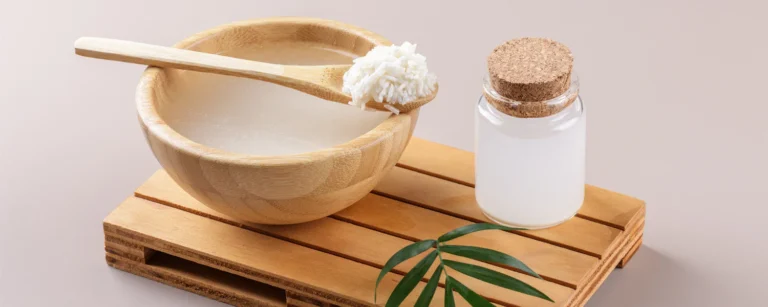
Fermented Rice
Microbial processing increases amino acid content and creates a smoother biochemical profile. This helps with hydration balance, surface refinement, and gentle brightening effects.
Fermented Centella
The asiaticoside and madecassoside content becomes more bioavailable after fermentation. This provides strong soothing activity and structural support for weakened or stressed skin.
How Fermented Botanicals Support the Skin Microbiome
Fermentation naturally introduces postbiotic metabolites. These compounds support microbial diversity on the skin. Because they help balance the surface ecosystem, fermented botanicals are becoming central ingredients in sensitive-skin products, microbiome-friendly moisturizers, and barrier-first formulations.
Formulation Benefits for Chemists
Better Solubility and Fewer Challenges
Fermentation reduces insoluble fractions that typically complicate development. As a result, fermented extracts disperse more evenly in gels, emulsions, and watery essences.
Cleaner Sensory and Reduced Stickiness
Traditional botanicals sometimes increase tackiness. Fermentation produces smoother molecular profiles, which contribute to refined sensory characteristics.
Lower Required Use Levels
Because fermented extracts show higher activity, chemists often achieve equivalent or better results at lower percentages. This provides cost efficiencies and formulation flexibility.
When Fermented Extracts Outperform Traditional Botanicals
Fermented botanicals excel in brightening, soothing, protective, and barrier-repair applications. They also stand out in formulations targeting dullness, uneven tone, and environmental stress. While traditional extracts still play a valuable role, fermentation consistently boosts potency and consistency in performance-driven skincare.
Choosing the Right Fermented Extract
Evaluating fermentation strain, substrate quality, and metabolite profile is essential. Different microbes create distinct biochemical signatures. Formulators should review standardized data, verify active compound levels, and ensure traceability. These steps help guarantee consistent results and support regulatory positioning.
Future Trends in Fermented Botanical Science
The next generation of fermented botanicals will integrate precision fermentation, co-fermentation, and engineered microbial strains. These innovations will create even more potent, stable, and targeted extracts. As the beauty industry embraces biotech-powered botanicals, fermentation will continue to define the most advanced skincare categories.
Conclusion
Fermented plant extracts deliver higher potency, improved bioavailability, and greater stability compared to traditional botanicals. Their ability to enhance antioxidant performance, reduce irritancy, and support the skin microbiome makes them ideal for modern, high-performance skincare. With rising demand for both natural and biotech-driven formulations, fermented botanicals represent one of the strongest emerging ingredient categories.