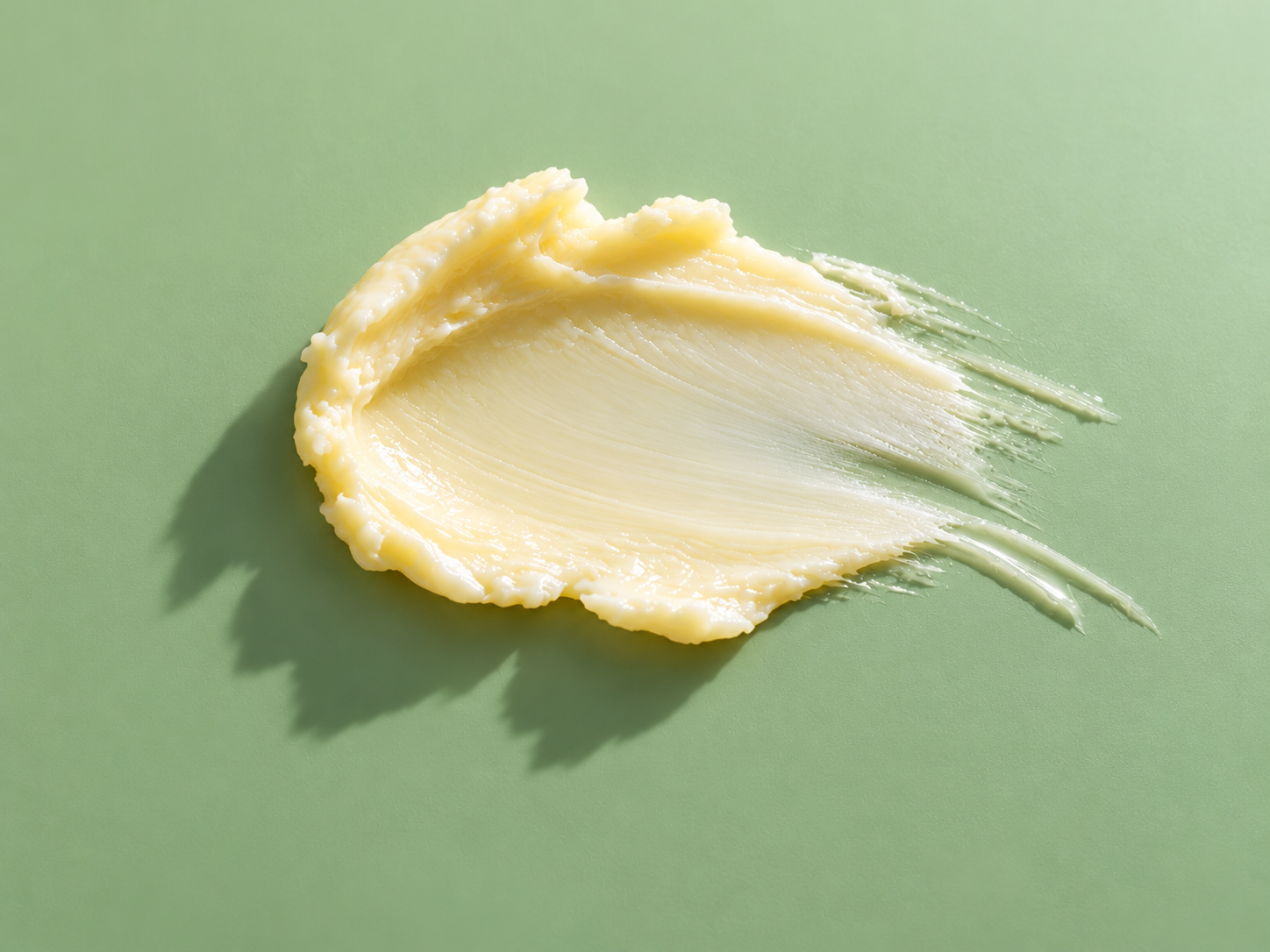


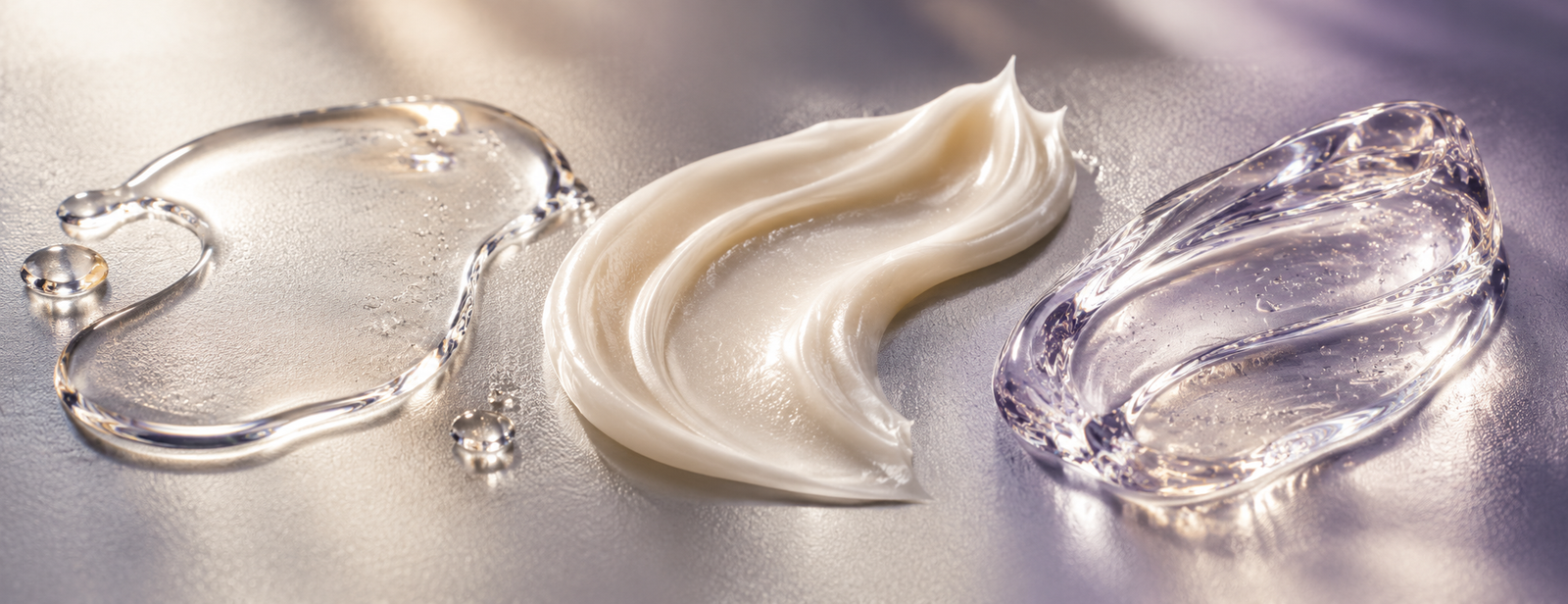
Cyclopentasiloxane (D5) is a volatile silicone widely used in cosmetic formulations to improve spreading, lubrication, and sensory performance. Its ability to distribute smoothly across skin and hair, followed by gradual evaporation, makes it especially valuable in products designed to deliver a lightweight, silky finish. However, understanding Cyclopentasiloxane requires more than describing its initial texture. Its chemical structure, evaporation behavior, and interactions with other formulation ingredients all influence how the finished cosmetic product performs.
As the cosmetics industry evaluates silicone-free and natural-origin technologies, Cyclopentasiloxane has become an important reference ingredient for formulation development. Replacing it successfully requires understanding which functions originate from D5 itself and which depend on the complete formulation. Consequently, cosmetic chemists must consider the relationship between molecular structure, spreading behavior, volatility, and residual sensory characteristics before selecting alternative emollient systems.
What Is Cyclopentasiloxane (D5)?
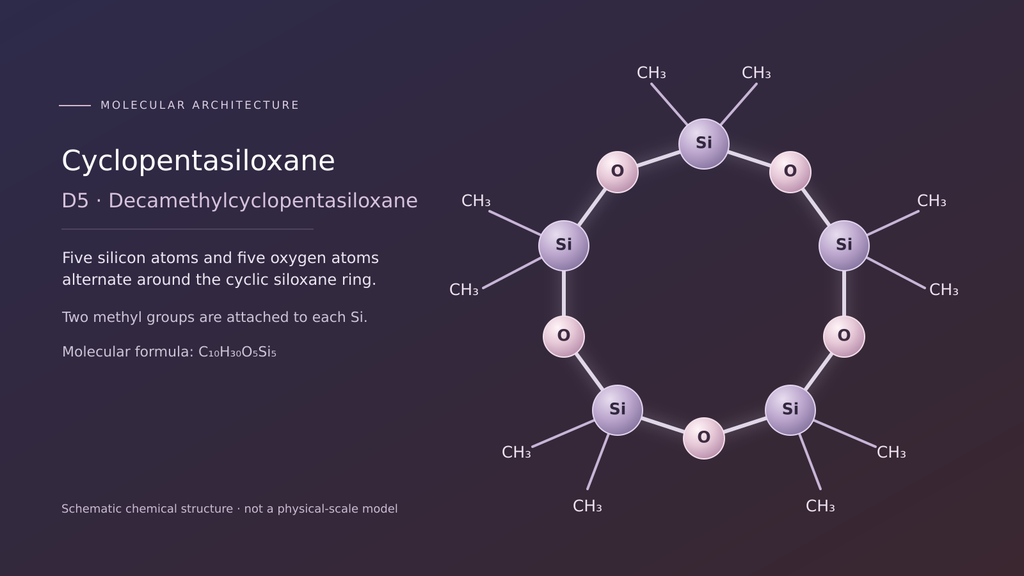
Cyclopentasiloxane, chemically known as Decamethylcyclopentasiloxane, is a cyclic organosilicon compound belonging to the family of volatile methylsiloxanes. Its molecular formula is C₁₀H₃₀O₅Si₅, and its CAS registration number is 541-02-6. The molecule consists of five silicon atoms alternating with five oxygen atoms in a closed ring. Each silicon atom carries two methyl groups, creating the characteristic structure associated with this five-unit cyclic siloxane.
Unlike linear silicone polymers, Cyclopentasiloxane has a defined cyclic molecular architecture and a comparatively low viscosity. These characteristics contribute to its mobility, spreading properties, and volatility. Nevertheless, molecular structure alone does not determine how a finished cosmetic feels. The surrounding formulation, including oils, polymers, emulsifiers, powders, and other sensory modifiers, also influences application behavior and the characteristics of the deposited film.
How Cyclopentasiloxane Works in Cosmetic Formulations
Cyclopentasiloxane functions primarily as a volatile carrier, emollient, and sensory modifier. During application, it facilitates the distribution of a cosmetic formulation across the skin or hair surface. This provides the smooth glide commonly associated with lightweight silicone-containing products. Furthermore, its volatility allows the material to diminish from the applied film over time, changing the relative concentration of the ingredients that remain.
This behavior is particularly important because the final sensory characteristics of a cosmetic product are not necessarily identical to those observed during initial application. A formulation containing D5 may spread easily while subsequently developing a richer, softer, or more powdery finish. Therefore, cosmetic chemists must distinguish between the temporary sensory contribution of the volatile carrier and the lasting properties provided by nonvolatile ingredients.
Spreading and Initial Lubrication
One of the principal advantages of Cyclopentasiloxane is its ability to support smooth application without producing the same persistent oily sensation associated with some nonvolatile emollients. Its spreading characteristics help distribute ingredients across the intended surface, improving application uniformity. In facial products, this may contribute to a lightweight texture, while in hair care it can assist the distribution of conditioning ingredients along individual fibers.
However, spreading behavior depends on more than viscosity. Surface interactions, formulation composition, and the presence of other oil-phase ingredients can significantly influence application performance. Consequently, two cosmetic products containing similar concentrations of D5 may demonstrate different levels of glide, lubrication, and rub-out resistance.
Evaporation and Sensory Dry-Down
Volatility is a defining characteristic of Cyclopentasiloxane. As the volatile fraction diminishes during application, the composition of the residual film changes. Nonvolatile emollients, conditioning materials, and film-forming polymers become proportionally more concentrated within the deposited layer. As a result, the formulation transitions from its initial spreading characteristics toward its final sensory profile.
This process helps explain why replacing D5 with a low-viscosity ester does not necessarily create an equivalent product. Although the ester may provide similar initial spreading, it may remain on the skin rather than evaporating. Therefore, its residual lubrication and perceived richness can differ substantially from those of the original formulation.
Cyclopentasiloxane vs. Dimethicone: Understanding the Difference
Although Cyclopentasiloxane and Dimethicone belong to the silicone family, their molecular structures and cosmetic functions differ significantly. As a volatile cyclic silicone, Cyclopentasiloxane primarily contributes lightweight spreading, temporary lubrication, and controlled sensory dry-down. In contrast, Dimethicone consists of linear polydimethylsiloxane fluids available in a broad range of viscosity grades. Consequently, its performance is more closely associated with persistent lubrication, conditioning, and residual film characteristics. Understanding these distinctions allows cosmetic formulators to select appropriate replacement technologies based on the specific functions required in the finished product.
In practical formulation terms, D5 frequently acts as a temporary carrier, while Dimethicone may provide longer-lasting slip, conditioning, and protective film properties. Furthermore, the performance of Dimethicone changes considerably across viscosity grades. A low-viscosity fluid behaves differently from a high-viscosity conditioning material. Therefore, identifying the specific silicone and its functional role is essential before selecting a suitable replacement technology.
| Characteristic | Cyclopentasiloxane (D5) | Dimethicone |
|---|---|---|
| Molecular structure | Cyclic siloxane | Linear silicone polymer |
| Volatility | Volatile | Generally nonvolatile |
| Primary contribution | Spreading and temporary lubrication | Persistent lubrication and conditioning |
| Residual sensory effect | Depends strongly on remaining ingredients | Depends on viscosity and deposited film |
| Replacement priority | Spreading, dry-down, compatibility | Slip, viscosity, film and conditioning |
Where Is Cyclopentasiloxane Used in Cosmetics?
Skin Care and Lightweight Facial Formulations
Cyclopentasiloxane is used in facial serums, moisturizers, primers, and selected treatment formulations where smooth application and lightweight sensory properties are desirable. Its spreading behavior can help distribute a product without requiring a large amount of persistent oil. In addition, it may influence the perception of tackiness and richness during application, depending on the other ingredients present.
When developing D5-free skin care, formulators should evaluate the complete sensory sequence rather than focusing exclusively on initial slip. A natural-origin replacement may produce an attractive dry-touch sensation while remaining substantially less volatile than D5. Accordingly, evaporation measurements and structured sensory assessments provide a stronger basis for ingredient selection.
Hair Care and Conditioning Products
In hair care, Cyclopentasiloxane may serve as a carrier for conditioning ingredients that remain on the hair after application. Its relatively lightweight behavior can help distribute these components while limiting the sensation of excessive product loading. This makes volatile silicone systems relevant to hair oils, leave-in conditioners, smoothing serums, and selected styling products.
However, removing D5 can alter how conditioning materials spread and deposit on hair fibers. Therefore, evaluating a replacement requires more than measuring the texture of the ingredient itself. Wet and dry combability, softness, shine, residual lubrication, and product distribution should also be assessed within the finished formulation.
Foundations, Primers and Color Cosmetics
Color cosmetic formulations present additional challenges because Cyclopentasiloxane can influence the distribution of pigments, film-forming materials, and other oil-phase ingredients. In foundations and primers, the balance between spreading, pigment wetting, and residual film development contributes to application uniformity and overall sensory performance.
Consequently, replacing D5 in color cosmetics may require adjustments to more than the emollient system. Differences in solvent characteristics can influence pigment dispersion, compatibility with film formers, and formulation stability. A successful alternative should therefore be evaluated for color uniformity, dispersion behavior, wear characteristics, and application quality.
Deodorants and Personal Care Products
Cyclopentasiloxane is also relevant to deodorants, antiperspirants, and other personal care products requiring smooth application and controlled sensory properties. Depending on the formulation, its contribution may include reducing perceived heaviness, improving distribution, and supporting an appropriate dry finish.
Nevertheless, ingredient selection must reflect the product format. Spray systems introduce considerations involving flammability, packaging compatibility, and exposure, while sticks and creams place additional demands on texture and stability. For this reason, the suitability of an alternative should always be established within the intended application.

Why Is Replacing Cyclopentasiloxane More Complex Than Replacing an Emollient?
The main difficulty in replacing Cyclopentasiloxane is that it contributes several functions at different stages of application. Initial spreading, temporary lubrication, evaporation, and residual sensory behavior occur as a connected process. A substitute may reproduce one characteristic effectively without matching the others. Furthermore, changes to the carrier can influence interactions among ingredients in the oil phase.
For example, a lightweight ester may provide excellent slip but leave a more persistent film. Conversely, a relatively volatile hydrocarbon may support an appropriate dry-down while requiring additional lubrication to maintain application comfort. Therefore, effective D5 replacement often depends on balancing complementary functions rather than identifying a universally equivalent ingredient.
Natural-Origin Alternatives to Cyclopentasiloxane
Several ingredient technologies can help formulate products without traditional volatile cyclic silicones. These include selected lightweight hydrocarbons, plant-derived alkane systems, engineered cosmetic esters, and multifunctional emollient blends. Each category provides a different combination of viscosity, polarity, spreading behavior, volatility, and residual sensory characteristics.
However, natural origin does not establish functional equivalence to D5. Two materials obtained from renewable feedstocks may have considerably different molecular structures and evaporation profiles. Likewise, a material that feels dry during application is not necessarily volatile. Consequently, ingredient selection should be based on measurable performance supported by relevant technical documentation.
Lightweight Hydrocarbon Alternatives
Selected hydrocarbon technologies can provide low-viscosity spreading and a lightweight sensory profile. Depending on their molecular composition and chain structure, certain systems may also demonstrate volatility relevant to D5 replacement. Nevertheless, evaporation characteristics vary considerably between individual hydrocarbons and commercial blends.
For this reason, formulators should examine the actual ingredient specification rather than assuming all lightweight hydrocarbons behave similarly. Comparative evaporation measurements, sensory assessment, and compatibility testing can help determine whether a candidate produces the required application and dry-down characteristics.
Ester-Based Silicone Alternatives
Engineered cosmetic esters provide another route to silicone-like sensory performance. Selected materials, including Coco-Caprylate/Caprate and Heptyl Undecylenate, can contribute smooth spreading, lubrication, and reduced perceived greasiness. Their polarity may also offer useful solvent characteristics for particular oil-soluble formulation ingredients.
However, many esters are less volatile than Cyclopentasiloxane under ordinary application conditions. Therefore, their value may lie in reproducing selected sensory functions rather than duplicating the original evaporation behavior. In some formulations, combining an ester with another lightweight emollient can provide a more appropriate balance between spreading and residual comfort.
Evaluating SILIKE Volatile as a D5 Alternative
Grand Ingredients offers SILIKE Volatile, a natural-origin ingredient developed as an alternative to Cyclopentasiloxane and related volatile silicone systems. With a reported viscosity of 10–20 cP, SILIKE Volatile is positioned to provide smooth application, lightweight sensory characteristics, and a slightly dry, shiny finish. Its application areas include skin care, hair care, shaving products, deodorants, and sunscreens.
For cosmetic R&D teams, the ingredient provides a relevant candidate when developing formulations that require selected D5-like sensory characteristics. However, its positioning does not establish identical evaporation kinetics or universal compatibility with every cosmetic system. Consequently, laboratory evaluation should compare its spreading, residual sensory properties, and complete formulation performance against an appropriate D5-containing reference.
Explore SILIKE Volatile — Natural-Origin D5 Alternative
How to Evaluate a Cyclopentasiloxane Alternative
A reliable evaluation begins by establishing what Cyclopentasiloxane contributes to the original formula. First, the formulator should document the D5 grade, use concentration, surrounding oil phase, and required sensory outcome. Next, candidate materials should be screened under consistent conditions to identify differences in spreading, viscosity, volatility, and residual feel.
After initial screening, the most promising alternatives should be incorporated into the complete formulation. This stage is important because neat-ingredient performance does not necessarily predict behavior in emulsions, hair serums, or pigmented products. Furthermore, compatibility with emulsifiers, polymers, UV filters, fragrances, and other oil-phase ingredients may change when the original silicone carrier is removed.
Finally, physical stability and sensory performance should be verified together. An ingredient may produce an attractive initial feel while affecting emulsion stability or the uniformity of a deposited film. Therefore, successful replacement requires a combination of physicochemical measurements, structured sensory evaluation, and application-specific performance testing.
Regulatory Considerations for Cyclopentasiloxane (D5)
Regulatory developments have increased attention on the use of cyclic silicones in cosmetic products. Commission Regulation (EU) 2024/1328 amended the REACH restrictions affecting Cyclotetrasiloxane (D4), Cyclopentasiloxane (D5), and Cyclohexasiloxane (D6). Restrictions on D4 and D5 at concentrations of 0.1% or greater in wash-off cosmetics have applied since January 31, 2020. For other cosmetic products, the expanded restriction has a June 6, 2027 application date, subject to the regulation’s provisions.
As a result, manufacturers supplying the European market should review the applicable requirements and implementation dates when planning reformulation projects. Nevertheless, regulatory compliance and sustainability claims should be assessed separately. Replacing D5 with a natural-origin ingredient does not automatically establish biodegradability, lower environmental impact, or equivalent product performance. Each claim requires appropriate supporting documentation.
Explore Natural Silicone Alternative Technologies
Discover natural-origin silicone alternatives for skin care, hair care, and color cosmetics. Explore our advanced emollients and conditioning technologies, or connect with our team for samples, technical documentation, and formulation support.
Frequently Asked Questions
Is Cyclopentasiloxane the Same as Cyclomethicone?
Cyclopentasiloxane is a specific cyclic silicone commonly designated D5, whereas Cyclomethicone is a broader ingredient designation associated with volatile cyclic silicone materials or mixtures. Individual cyclic siloxanes differ in molecular structure, physicochemical properties, and evaporation behavior. Accordingly, formulators should identify the exact silicone present in the original product before selecting an alternative.
What Makes Cyclopentasiloxane Volatile?
The molecular structure and physicochemical characteristics of Cyclopentasiloxane allow it to evaporate under relevant application conditions. However, evaporation behavior also depends on temperature, surrounding ingredients, and the complete formulation. For reliable replacement screening, cosmetic chemists should evaluate evaporation and residual sensory performance under controlled conditions.
Is Cyclopentasiloxane the Same as Dimethicone?
No. Unlike volatile cyclic Cyclopentasiloxane, Dimethicone generally consists of linear silicone fluids available in different viscosity grades. D5 contributes temporary lubrication and spreading, while Dimethicone can provide persistent film characteristics, slip, and conditioning. Consequently, their replacement strategies must reflect the original ingredient’s specific function.
Can Natural-Origin Ingredients Replace Cyclopentasiloxane?
Selected lightweight hydrocarbons, engineered cosmetic esters, and blended emollient technologies can reproduce important functions associated with D5. Nevertheless, similar spreading or dry-touch characteristics do not establish identical evaporation behavior. Ingredient selection should therefore consider viscosity, lubrication, residual sensory properties, and compatibility within the complete cosmetic formulation.
Are Natural Silicone Alternatives Always Biodegradable?
Natural origin does not automatically establish biodegradability. Renewable feedstock content, environmental persistence, and biodegradation performance represent separate characteristics. As a result, environmental claims should be supported by appropriate supplier documentation, standardized testing, and evidence relevant to the specific ingredient or finished formulation.
Conclusion: Understanding D5 Before Selecting an Alternative
Connecting Molecular Structure With Cosmetic Performance
Cyclopentasiloxane remains an important reference ingredient for understanding lightweight sensory performance in cosmetic formulations. Its cyclic molecular structure, spreading behavior, temporary lubrication, and volatility contribute to the distinctive application characteristics associated with many silicone-containing products. These functions, however, depend on the composition of the complete formulation.
Developing Effective Natural-Origin Replacements
For cosmetic chemists developing silicone-free products, effective replacement begins by identifying the original role of D5 and translating that function into measurable performance requirements. Natural-origin hydrocarbons, engineered esters, and specialized emollient systems provide valuable opportunities when evaluated for spreading, lubrication, evaporation, and residual sensory performance.
Grand Ingredients supports cosmetic R&D teams with natural-origin silicone alternative technologies designed for different formulation applications. By combining appropriate ingredient selection with controlled testing, formulators can develop silicone-free products that meet targeted sensory and functional requirements.
Scientific References
- PubChem. Decamethylcyclopentasiloxane (D5), CID 10913 . Chemical identity, molecular formula, and structural information.
- European Commission. Commission Regulation (EU) 2024/1328 . REACH restrictions affecting D4, D5, and D6.
- European Commission, Scientific Committee on Consumer Safety. Opinion on Decamethylcyclopentasiloxane in Cosmetic Products .
- Grand Ingredients. SILIKE Volatile . Natural-origin D5 alternative and formulation application information.