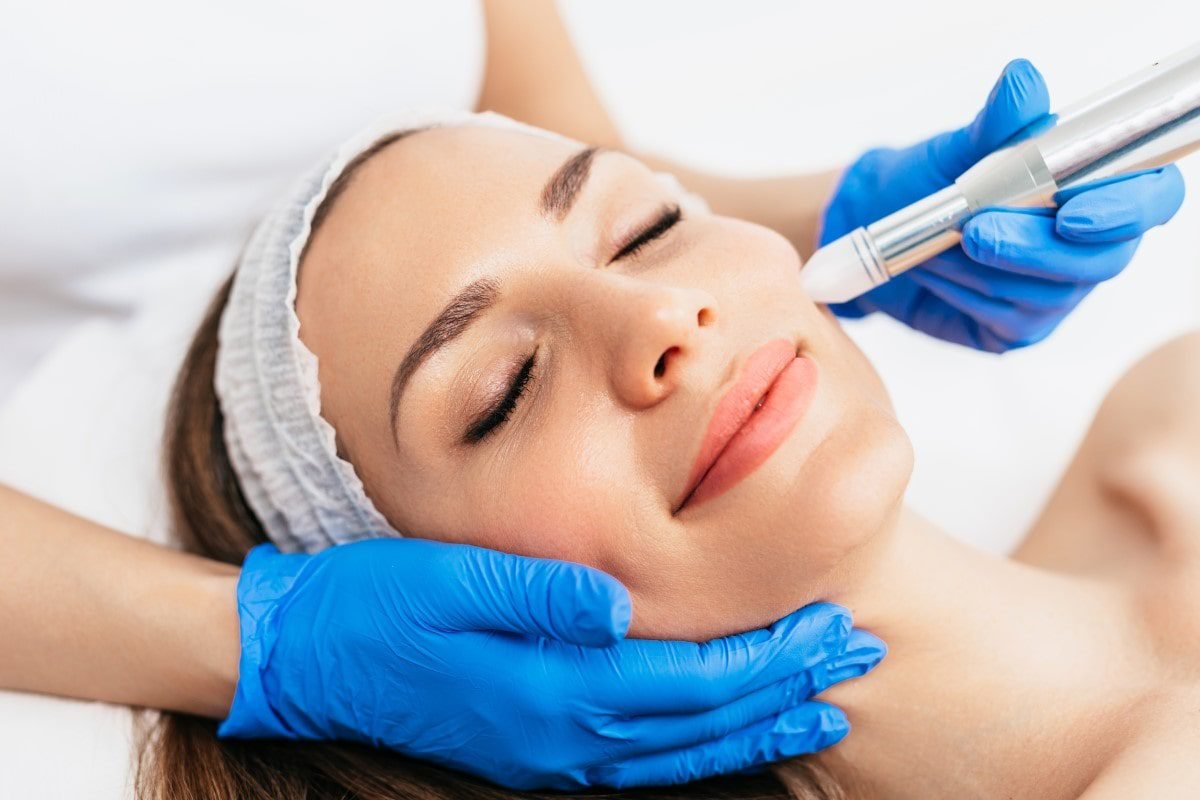
Post-Accutane skin should be understood as a long-term cosmetic condition rather than a temporary recovery phase. While isotretinoin successfully suppresses acne by reducing sebaceous activity and altering keratinocyte differentiation, these effects do not fully reverse after treatment ends. Instead, the skin establishes a new biological equilibrium. Sebum production often remains reduced, lipid diversity narrows, and inflammatory thresholds recalibrate. As a result, post-Accutane skin no longer behaves like untreated skin, even years after therapy.
From a cosmetic formulation perspective, this distinction is critical. Products designed for oily, acne-prone, dry, or sensitive skin frequently fail because post-Accutane skin does not fit neatly into these categories. It is not inflamed, yet it is reactive. It is not damaged, yet it lacks resilience. Therefore, post-Accutane skincare requires a separate logic focused on stability, predictability, and biological respect rather than correction or stimulation. By 2026, recognizing this skin state as its own cosmetic category becomes essential for credible formulation and positioning.
How Systemic Retinoids Permanently Alter Skin Regulation
Isotretinoin acts systemically, influencing multiple signaling pathways simultaneously. During treatment, retinoid receptors modify gene expression related to sebaceous gland activity, epidermal turnover, immune signaling, and lipid synthesis. Although visible side effects diminish after discontinuation, many regulatory changes persist. The skin does not simply return to a pre-treatment baseline; instead, it stabilizes around a lower-activity, lower-redundancy state.
This reprogramming reduces the skin’s ability to buffer stress. In untreated skin, overlapping biological systems compensate when one pathway underperforms. Post-Accutane skin loses much of this redundancy. Consequently, small formulation imbalances—such as excess surfactants, aggressive solvents, or high active density—can produce disproportionate discomfort. Cosmetic systems must therefore operate within tighter biological margins, prioritizing compatibility over intensity.
Barrier Dysfunction Without Classical Damage
One of the most misunderstood aspects of post-Accutane skin is that barrier dysfunction often occurs without visible damage. Standard clinical markers such as erythema, scaling, or elevated transepidermal water loss may remain minimal. However, users frequently experience tightness, episodic stinging, environmental sensitivity, and rapid intolerance to previously tolerated products.
This occurs because post-Accutane dysfunction is functional rather than structural. The barrier remains intact but becomes less adaptive. It struggles to respond dynamically to humidity shifts, temperature changes, and formulation variability. Therefore, cosmetic performance cannot rely solely on traditional barrier metrics. Long-term comfort, consistency across conditions, and absence of cumulative irritation provide more meaningful indicators of success.
Why Repair-Oriented Skincare Fails Post-Accutane Skin
Repair-based skincare assumes damage that requires correction. Post-Accutane skin, however, reflects adaptation rather than injury. The epidermis reorganizes itself to function with reduced lipid input and altered signaling priorities. When cosmetic systems attempt to “repair” this state, they often overshoot biological needs.
Rich occlusives, high-dose actives, and intensive renewal strategies frequently destabilize comfort rather than restore it. Instead of regeneration, post-Accutane skin requires reinforcement and preservation. Effective formulations stabilize existing barrier behavior, reduce friction, and minimize unnecessary signaling. This shift from repair to maintenance defines successful cosmetic design for this skin type.
Lipid Architecture After Long-Term Sebaceous Suppression
Sebum contributes far more than surface lubrication. It buffers environmental stress, modulates microbial balance, and smooths sensory transitions on the skin surface. When sebaceous output remains chronically suppressed, these functions diminish. The barrier becomes increasingly dependent on epidermal lipid synthesis and topical supplementation.
However, replacing sebum with heavy occlusives does not restore modulation. Excessive occlusion restricts adaptive movement within the barrier and often leads to discomfort or rebound dryness. Post-Accutane skin responds better to balanced lipid architectures that emphasize fluidity and proportionality. Lightweight lipid systems that support flexibility outperform dense, highly occlusive formulations over long-term use.
Signal Economy and Reduced Tolerance for Active Density
Post-Accutane skin operates with reduced signaling bandwidth. Because systemic retinoids previously imposed high signaling pressure, the skin adapts by dampening responsiveness to protect homeostasis. As a result, multi-active formulations often fail not because of instability, but because of biological saturation.
When multiple actives compete for receptors and pathways, the skin responds defensively by reducing sensitivity. Over time, this leads to diminished efficacy and increased intolerance. Therefore, active minimalism becomes a performance strategy. Focused systems with one or two clearly justified signals consistently outperform complex stacks in post-Accutane applications.
Sensory Neutrality as a Marker of Compatibility
In post-Accutane skin, sensory response provides early insight into biological compatibility. Products that generate noticeable sensations—warming, tingling, tightening—often indicate excessive signaling or barrier friction. Even positive sensations can precede long-term intolerance.
By contrast, formulations that feel neutral after application typically align better with the skin’s recalibrated expectations. Sensory neutrality supports consistent use and reduces cumulative stress. Therefore, sensory design becomes a functional parameter rather than a purely aesthetic choice in post-Accutane skincare.
Designing Cosmetic Systems for Long-Term Use
Post-Accutane skincare success unfolds over weeks and months, not days. Immediate improvements often prove misleading, while true compatibility reveals itself through sustained comfort and predictability. Formulations must therefore be evaluated longitudinally rather than through short-term testing.
Systems designed for repeated daily use reduce fluctuation, minimize adverse responses, and stabilize perception. Over time, users report fewer “bad skin days,” which represents the most meaningful outcome for this skin type. Predictability, rather than visible transformation, defines real efficacy.
Reframing Performance Expectations and Claims
Cosmetic positioning for post-Accutane skin must avoid reversal narratives. Cosmetics cannot undo systemic retinoid effects, nor should they imply medical correction. Instead, claims should emphasize comfort support, barrier alignment, and stability over time.
This framing protects regulatory boundaries while reinforcing professional credibility. By focusing on maintenance rather than transformation, brands align with biological reality and deliver outcomes users can trust.
Conclusion: Establishing Post-Accutane Skin as Its Own Cosmetic Category
Post-Accutane skin exists in a medically influenced yet cosmetically managed state. It is not diseased, but it is not fully resilient. Recognizing this distinction enables formulators and suppliers to design systems that respect biological adaptation without crossing into medical claims.
By 2026, brands that treat post-Accutane skin as a distinct category—defined by low redundancy, constrained signaling, and heightened sensitivity—will outperform those applying generic solutions. Stability, compatibility, and long-term tolerance will define leadership in this space.