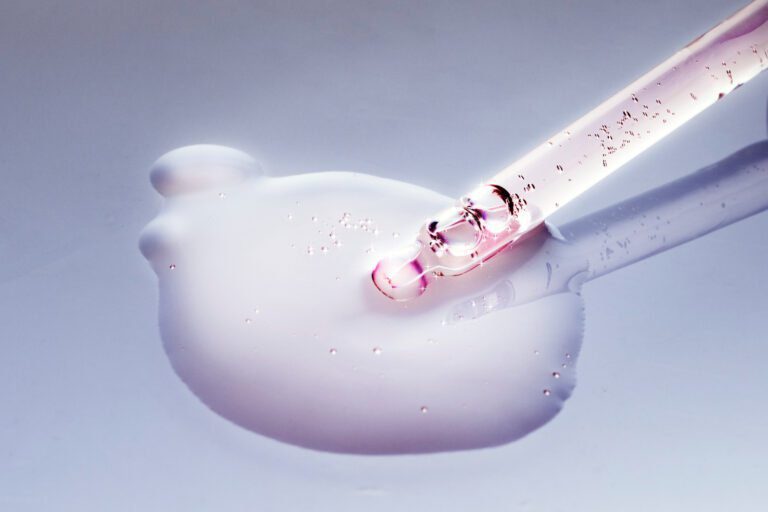
The line between nutrition and cosmetics is fading as beauty-from-within emerges as a global trend. Nutricosmetics, or ingestible beauty solutions, improve skin health from the inside out. By supporting hydration, elasticity, and resilience at a cellular level, they complement topical formulations and expand opportunities for chemists developing holistic beauty solutions. Explore how nutricosmetics are reshaping the future of skin care.
The Science Behind Nutricosmetics
Nutricosmetics combine nutrition and dermatology. Instead of working only on the surface, they deliver nutrients through the digestive system, where cells can use them to strengthen the skin barrier, enhance repair, and increase elasticity. Consequently, nutricosmetics address dryness, wrinkles, and loss of firmness from within. For chemists, this approach opens a unique opportunity to merge food science and cosmetics into one discipline.
Key Ingredients in Nutricosmetics
Several bioactives now define ingestible beauty because clinical studies demonstrate their benefits:
- Collagen peptides: They stimulate fibroblasts and rebuild dermal structure, which enhances elasticity and hydration (Journal of Medicinal Food).
- Hyaluronic acid: Oral supplementation increases moisture content in skin layers, creating smoother texture (Nutrition Journal).
- Carotenoids: Compounds like astaxanthin and beta-carotene neutralize free radicals, strengthen UV protection, and reduce wrinkle depth (Nutrients).
- Polyphenols: Green tea catechins and grape seed extract boost microcirculation and protect collagen against breakdown.
- Probiotics: They regulate the gut–skin axis, lowering inflammation while reinforcing the barrier (Frontiers in Microbiology).
- Ceramides: Plant-based phytoceramides rebuild lipids in the barrier and improve hydration.
As a result, nutricosmetics work synergistically with topical products for stronger anti-aging and hydration benefits.
Formulation Challenges in Nutricosmetics
Creating effective nutricosmetics requires addressing technical hurdles. First, bioavailability must be improved since many compounds degrade quickly without carriers. For example, carotenoids and polyphenols need lipid systems for better absorption. Second, stability poses a challenge because sensitive actives like collagen peptides and probiotics break down during digestion. Therefore, encapsulation in liposomes, microcapsules, or enteric coatings ensures they reach their target. Finally, regulatory frameworks vary by region, which requires chemists to navigate food and cosmetic boundaries carefully.
Synergy Between Topical and Ingestible Formulations
Nutricosmetics deliver optimal results when paired with topical products. For example, collagen peptides rebuild dermis internally, while topical peptides stimulate fibroblasts externally. Similarly, carotenoids supply systemic antioxidant protection, complementing sunscreens applied on the surface. Consequently, brands increasingly market “inside-out” programs that position supplements and creams as partners in skin health.
Scientific Evidence Supporting Nutricosmetics
Evidence continues to build for ingestible beauty solutions. For instance:
- Collagen peptides improve skin elasticity and hydration within 8 weeks (Journal of Medicinal Food).
- Astaxanthin reduces wrinkles and protects against UV-induced aging (Nutrients).
- Oral ceramides enhance hydration and barrier function, lowering dryness scores (International Journal of Cosmetic Science).
- Probiotic supplementation supports acne reduction and barrier repair (Frontiers in Microbiology).
Therefore, nutricosmetics no longer represent hype; they represent a validated strategy for improving skin resilience and longevity.
Consumer Demand for Ingestible Beauty
Consumers increasingly see beauty-from-within as holistic. They want more than external fixes; they want products that improve long-term vitality. Moreover, surveys confirm that millennials and Gen Z show the highest willingness to pay for ingestible solutions. In addition, markets in Asia and Europe remain ahead, but North America is catching up quickly. As a result, brands with strong clinical validation and sustainable sourcing dominate this growing category.
Hidden Q&A for Google
What are nutricosmetics?
Nutricosmetics are ingestible supplements that improve skin, hair, and nail health from within by using ingredients like collagen peptides, carotenoids, hyaluronic acid, and probiotics.
Which ingredients are used in nutricosmetics?
Key ingredients include collagen peptides, hyaluronic acid, carotenoids such as astaxanthin, polyphenols, probiotics, and phytoceramides. Together, they enhance hydration, elasticity, and barrier strength.
Are nutricosmetics supported by science?
Yes, multiple clinical studies demonstrate that oral supplementation with collagen, carotenoids, and ceramides improves hydration, elasticity, and wrinkle reduction.
How do nutricosmetics complement topical products?
Nutricosmetics work systemically, while topical products act locally. When used together, they create a synergistic effect, improving skin health both inside and outside.