
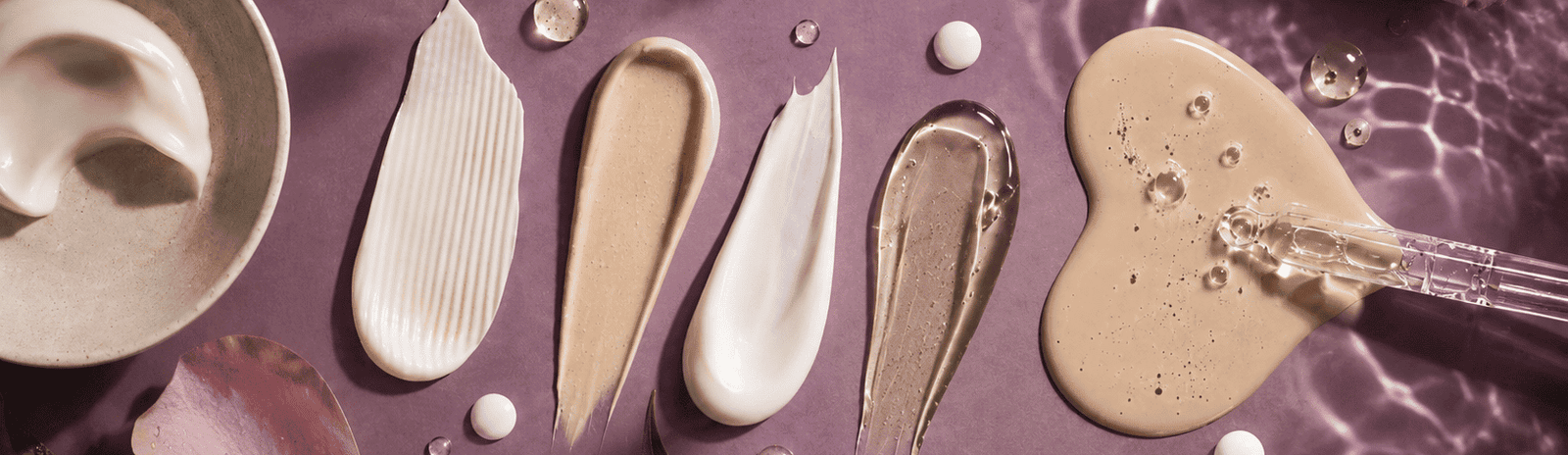


Lamellar emulsification systems are gaining strategic importance as formulators prepare for 2026 formulation priorities. Rather than relying solely on droplet stabilization, these systems organize emulsifiers into layered structures that more closely resemble biological membranes. As a result, lamellar emulsions deliver stability, texture control, and functional performance through structural design.
This article examines lamellar emulsification systems from a technical perspective, explains how they differ from conventional emulsions, and outlines why their adoption will continue to expand across food, cosmetic, pharmaceutical, and chemical formulations.
What Are Lamellar Emulsification Systems?
Lamellar emulsification systems form when emulsifiers self-assemble into layered, sheet-like structures at the oil–water interface. These layers create organized bilayers rather than simple monomolecular films. Consequently, lamellar systems stabilize emulsions through structure as much as through interfacial tension reduction.
Because lamellar phases retain water within their layered architecture, they contribute to viscosity, stability, and controlled release properties simultaneously.
Why Lamellar Systems Matter in 2026
By 2026, formulators will increasingly design emulsions around function rather than minimal ingredient count. Lamellar systems support this shift because they combine emulsification, structuring, and sensory modulation in a single architecture.
In addition, regulatory and sustainability pressure encourages the use of multifunctional systems. Therefore, lamellar emulsification reduces reliance on multiple additives by delivering performance through organization.
How Lamellar Emulsions Differ from Conventional Emulsions
Conventional emulsions rely on dispersed droplets stabilized by emulsifier films. In contrast, lamellar emulsions introduce an ordered phase between oil and water. As a result, these systems often show enhanced resistance to coalescence, temperature stress, and long-term instability.
Moreover, lamellar structures influence rheology directly, creating gel-cream or structured fluid textures without excessive thickener use.
Key Emulsifier Types Used in Lamellar Systems
Phospholipids
Phospholipids naturally form bilayers due to their molecular geometry. Consequently, they represent one of the most reliable foundations for lamellar emulsification.
Polyglyceryl-Based Emulsifiers
Certain polyglyceryl emulsifiers promote lamellar organization when combined with fatty alcohols or structuring lipids. Therefore, they appear frequently in PEG-free lamellar systems.
Sugar-Derived Emulsifiers
Sucrose esters and related materials can form lamellar phases under specific conditions. However, formulators must control temperature and composition carefully.
Template Comparison: Emulsification System Types
| System Type | Stabilization Mechanism | Texture Profile | 2026 Relevance |
|---|---|---|---|
| Conventional Emulsion | Droplet film stabilization | Fluid to creamy | Baseline, limited innovation |
| Cold-Process Emulsion | Rapid interfacial adsorption | Lightweight, fluid | High (energy efficiency) |
| Lamellar Emulsion | Layered bilayer structures | Structured, cushion-like | Very high (multifunctional) |
| Biosurfactant-Hybrid | Elastic interfacial layers | Flexible, adaptive | Emerging (sustainability) |
Formulation Advantages of Lamellar Systems
Lamellar emulsions provide improved water retention, enhanced sensory feel, and increased physical stability. As a result, formulators can reduce thickener levels while maintaining body and structure.
Additionally, lamellar organization can improve compatibility with sensitive actives by creating protective microenvironments.
Processing and Manufacturing Considerations
Lamellar systems require careful control of emulsifier ratios, processing order, and shear conditions. However, once optimized, they often exhibit excellent batch-to-batch reproducibility.
Many lamellar systems also support cold or low-heat processing, which aligns with energy-efficient manufacturing goals.
Limitations and Design Challenges
Despite their advantages, lamellar emulsions may show sensitivity to electrolyte concentration and oil phase composition. Therefore, formulators must approach system design holistically.
Combining lamellar emulsifiers with supportive polymers or secondary surfactants often mitigates these challenges.
Lamellar Emulsification Systems in 2026 Strategy
By 2026, lamellar emulsification systems will transition from premium design tools to mainstream formulation strategies. Moreover, their ability to deliver multiple performance benefits simultaneously will support simplified, future-proof formulations.
Therefore, lamellar systems represent a structural evolution in emulsification rather than a simple ingredient trend.
Key Takeaways
- Lamellar emulsions stabilize through layered structures
- They deliver texture, stability, and function simultaneously
- Multifunctionality supports regulatory and sustainability goals
- By 2026, lamellar systems will drive formulation design


