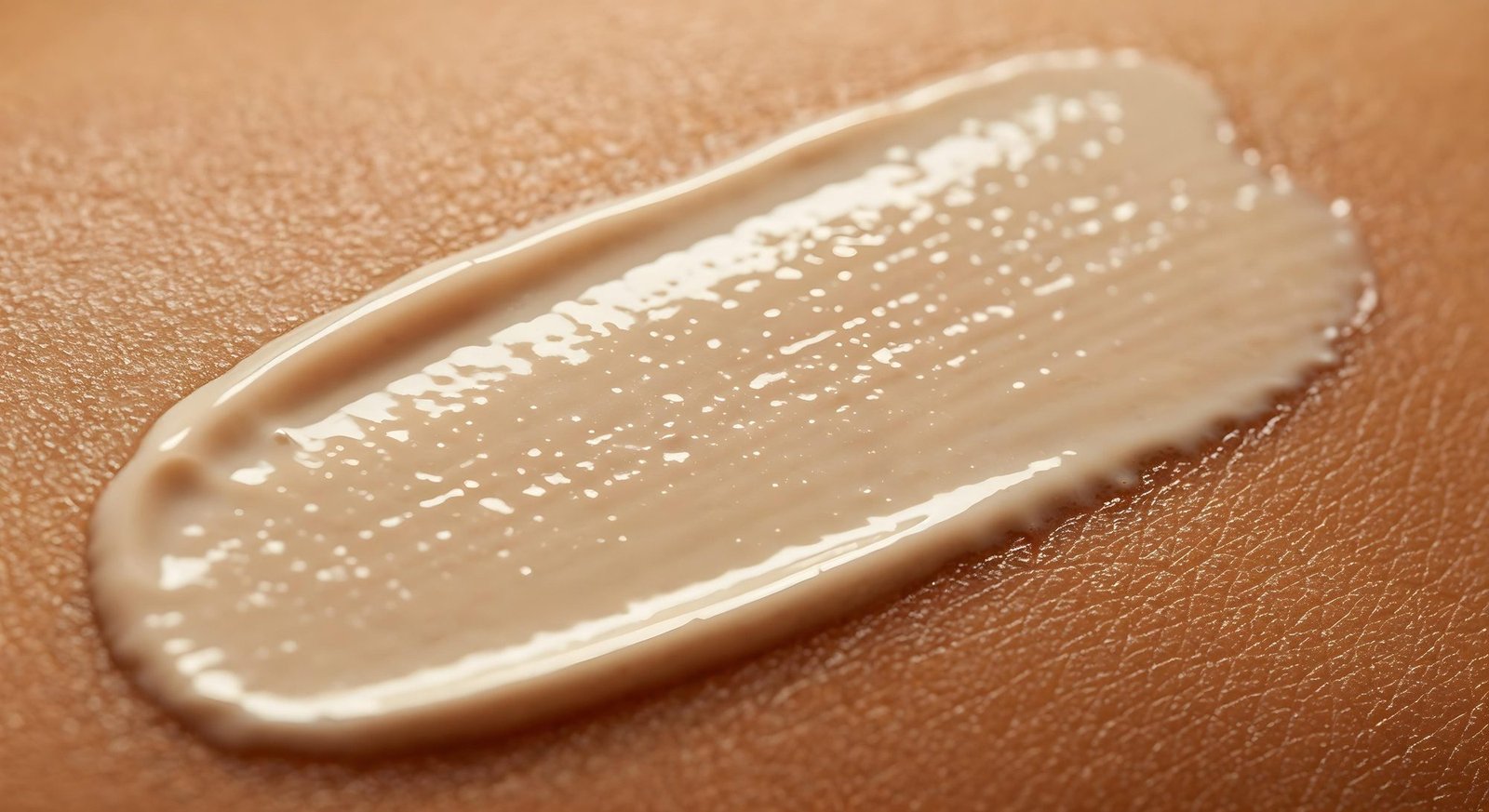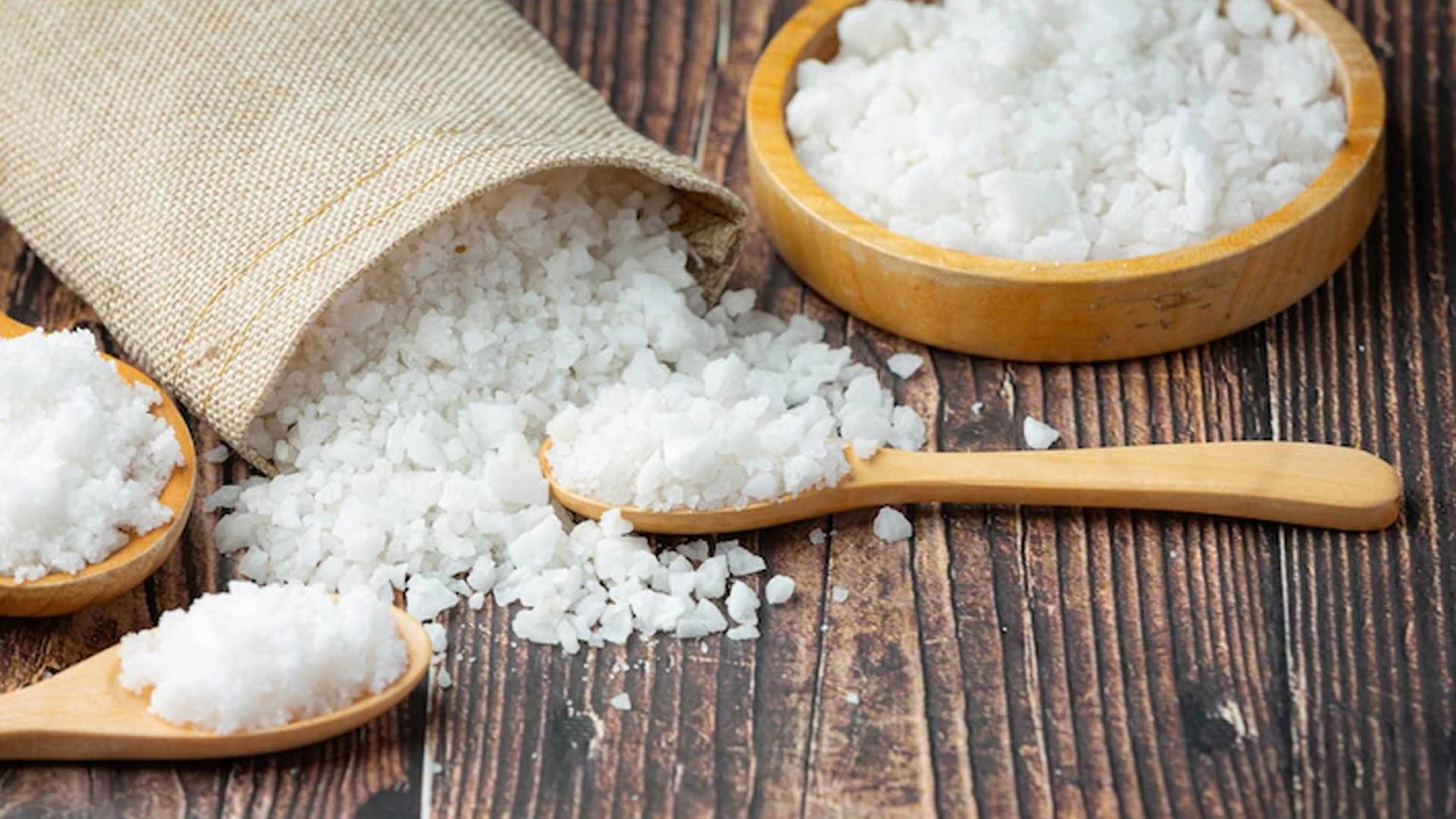
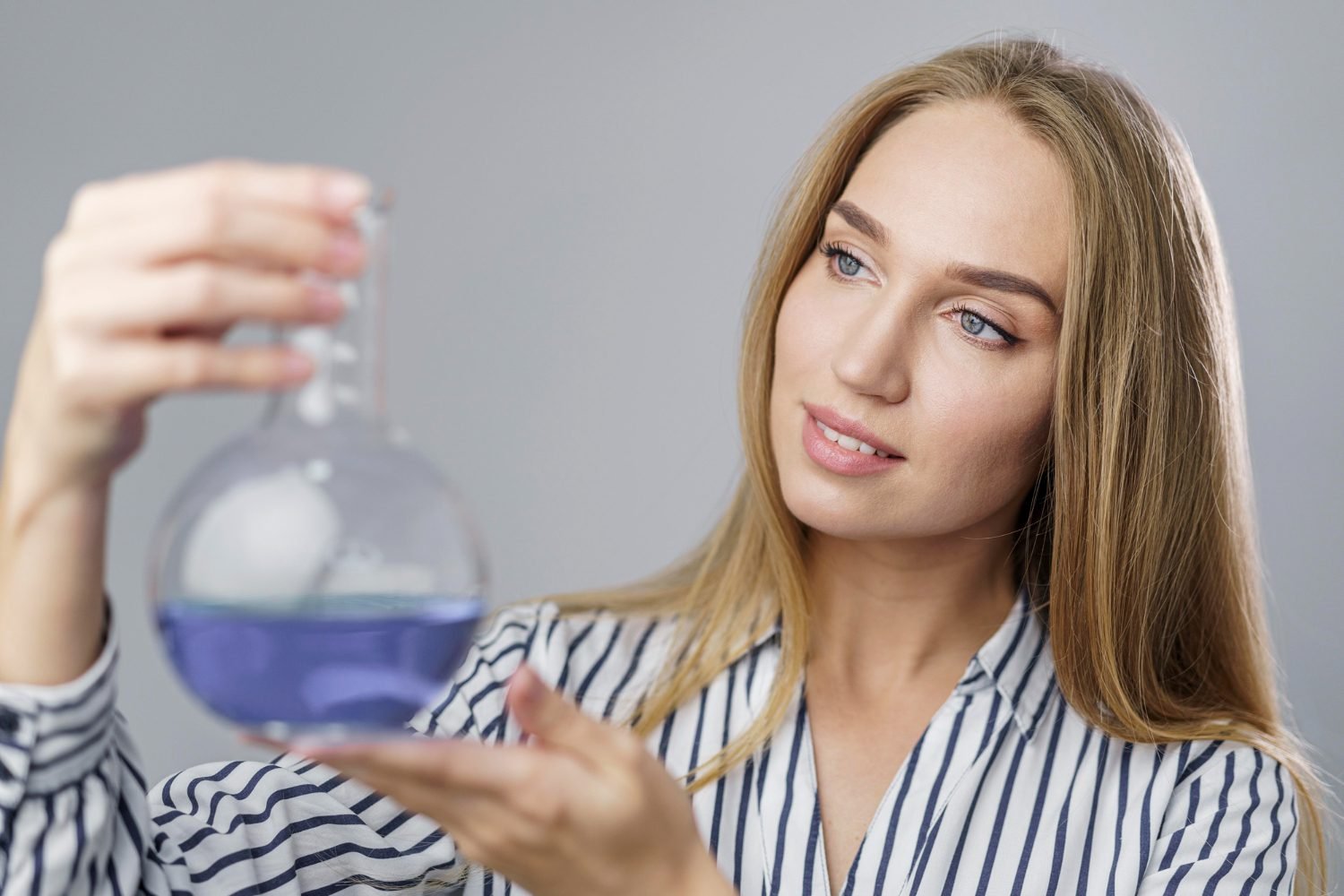
Hydroglycerin extraction has become an essential technique in modern cosmetic formulation. This solvent system, created from a mixture of water and glycerin, offers an effective, skin-compatible method for obtaining plant-derived actives. Although the concept may appear simple, hydroglycerin behaves differently from water-only or glycol-based systems. When formulators understand its chemistry, they can significantly improve extraction efficiency, stability, and sensory performance. This article explains how hydroglycerin extraction works and how to optimize it for high-performance botanical extracts.
What Makes Hydroglycerin Extraction Unique?
Hydroglycerin extraction uses a binary solvent system composed of glycerin and water. Together, they create a highly tunable environment with strong hydrogen-bonding capacity, high polarity, and excellent solubility for hydrophilic phytochemicals. Glycerin contributes humectancy and molecular flexibility, while water supports diffusion and penetration into plant tissue. This combination allows formulators to extract a broad range of phenolics, flavonoids, sugars, and organic acids with better skin compatibility than many alternative solvents.
Glycerin stands out because it forms extensive hydrogen bonds, maintains low volatility, and demonstrates a high dielectric constant. These properties help it solvate polar botanical compounds. As a result, hydroglycerin extracts often deliver stronger moisturization and better tactile benefits compared with other extraction systems. They also align with “green chemistry” expectations thanks to glycerin’s biobased origin and excellent safety profile.
How Solvent Ratio Affects Extraction
The ratio between water and glycerin dramatically influences extraction performance. Adjusting this balance changes solvent polarity, viscosity, diffusion rate, and overall selectivity. Each of these factors directly affects yield and stability.
Water-Rich Systems
Solvent blends with higher water content reduce viscosity, improve mixing, and accelerate penetration into plant material. These systems work well for highly hydrophilic compounds. However, they may provide limited solubility for some polyphenols or aromatic acids. They also retain higher water activity, which requires additional support for microbiological stability.
Glycerin-Rich Systems
Increasing glycerin content boosts solubility for polyphenols and many antioxidant structures. At the same time, higher viscosity slows diffusion, so longer extraction times or stronger agitation often become necessary. Glycerin-rich systems naturally lower water activity, which helps control oxidation and microbial stress. They also create extracts with enhanced humectant properties—useful for moisturizing serums and barrier-supporting formulas.
Most commercial hydroglycerin extracts fall between 40% and 60% glycerin. These mid-range ratios offer a strong balance between solubility, stability, and processability.
Key Processing Variables
Optimizing hydroglycerin extraction involves three critical variables: temperature, time, and particle size. Each one plays a unique role in driving extraction efficiency and phytochemical integrity.
Temperature
Raising temperature lowers viscosity and increases solubility, accelerating extraction. Nevertheless, botanical actives respond differently to heat. Polyphenols and certain pigments oxidize more quickly when temperatures rise. For this reason, most hydroglycerin extractions operate between room temperature and 45 °C. This range increases extraction speed while maintaining acceptable stability for sensitive compounds.
Extraction Time
Glycerin’s viscosity slows diffusion, so maceration often requires more time compared with water-only extraction. Although extended soaking delivers higher yields, formulators must evaluate the impact on color and odor. Prolonged exposure sometimes increases early-stage oxidation or causes deeper color shifts. Techniques such as recirculation or gentle mechanical movement typically improve efficiency while preserving extract quality.
Particle Size
Reducing particle size exposes more surface area to the solvent. Moderate grinding increases extraction yield, but extremely fine powders can trap glycerin and create filtration challenges. Coarse-to-medium milling often provides the best balance. It supports strong mass transfer and simplifies post-processing steps such as clarification and polishing.
Hydroglycerin Compared to Other Extraction Systems
Hydroglycerin performs differently from water-only, glycol-based, and hydroalcoholic extraction systems. Understanding these differences helps chemists position each extract correctly within a formulation strategy.
Hydroglycerin vs Water-Only Extraction
- Hydroglycerin dissolves a broader range of polar compounds.
- It maintains lower water activity, which improves oxidative behavior.
- Finished extracts contribute additional humectancy.
- Water-only extracts oxidize more easily and deliver weaker moisturization.
Hydroglycerin vs Hydroglycolic Extraction
- Hydroglycolic solvents extract semi-polar compounds more readily.
- Hydroglycerin suits sensitive skin and minimalist INCI approaches.
- Hydroglycerin extracts tend to increase viscosity more strongly.
- Consumers often prefer glycerin over glycols in natural-positioned products.
Hydroglycerin vs Hydroalcoholic Systems
- Hydroalcoholic solvents pull a wide range of actives but irritate some skin types.
- Hydroglycerin suits gentler and hydrating formulations.
- Hydroalcoholic systems evaporate quickly, while glycerin remains on the skin.
- Regulatory and marketing considerations often favor glycerin-based systems.
Stability Profile of Hydroglycerin Extracts
Hydroglycerin extracts demonstrate strong stability, although each extract still requires validation. Glycerin helps stabilize many botanicals by controlling water activity and reducing oxidative reactions. However, strategic stabilization improves longevity further.
Chemical Stability
Polyphenols, chlorophyll derivatives, and organic acids benefit from environments that limit oxidation and pH drift. Chelation reduces metal-catalyzed reactions, while mildly acidic pH protects many active structures. Antioxidant networks also support long-term stability. These systems work together to slow color change and preserve functionality.
Microbiological Stability
Although glycerin lowers water activity, hydroglycerin extracts are not automatically self-preserving. When incorporated into finished products, they require an appropriate preservation system validated through challenge testing. The total glycerin contribution influences preservation strategy and must be considered during development.
Physical Stability
Hydroglycerin extracts rarely separate because of their high viscosity. Nevertheless, filtration becomes more challenging when extracts contain mucilage or finely milled particles. Adjusting grind size and choosing appropriate clarification methods improves clarity and final appearance.
Formulation Behavior and Sensory Impact
Hydroglycerin extracts influence formulas both as active carriers and functional humectants. They deliver botanical activity while modifying skin feel and rheology.
- Use levels: Typically 1–10%, depending on solids content and desired moisturization.
- Viscosity contribution: Hydroglycerin increases viscosity, particularly in gels and emulsions.
- Compatibility: Works well with common surfactants and polymers but requires testing in high-electrolyte systems.
- Sensory profile: Offers a smooth, cushiony feel when used at balanced levels.
Formulators should include the extract’s glycerin content in the total humectant load to avoid tackiness. Adjusting polymer levels, silicone content, or glycol ratios often balances the final sensory profile.
Designing Hydroglycerin Extracts for Specific Applications
Soothing and Hydration Products
Hydroglycerin suits botanicals that target hydration, redness reduction, or barrier support. These extracts deliver actives while strengthening moisture retention. Higher glycerin ratios typically perform well in this category because they emphasize humectancy and skin comfort.
Antioxidant and Brightening Serums
Hydroglycerin creates a favorable environment for many antioxidant molecules. A thoughtful combination of solvent ratio, low-temperature processing, and chelation protects sensitive phenolic structures. These extracts work especially well in watery essences and booster serums.
Hair and Scalp Care
In scalp tonics, shampoos, and rinse-off products, hydroglycerin extracts reduce dryness caused by surfactant systems. They also disperse evenly and integrate smoothly into liquid bases. Solids level and color must be controlled to avoid residue in clear systems.
Development Tips for Chemists
- Start with a medium solvent ratio, then adjust based on viscosity and extract yield.
- Choose processing temperatures that protect sensitive actives.
- Test particle size variations to evaluate clarity and extraction speed.
- Evaluate the extract in its intended formula type rather than only in isolation.
- Run both accelerated and real-time stability tests to confirm shelf performance.