
Fermented NAD⁺ metabolism actives represent a biologically precise strategy for skin renewal that focuses on restoring intracellular redox balance and energy regulation rather than accelerating epidermal turnover. Nicotinamide adenine dinucleotide (NAD⁺) is a central coenzyme involved in cellular respiration, DNA repair, and stress adaptation within keratinocytes and fibroblasts.
As NAD⁺ availability declines due to aging, oxidative stress, and chronic inflammation, cellular repair mechanisms weaken and renewal efficiency decreases. Fermented NAD⁺ metabolism actives aim to support endogenous NAD⁺ pathways, allowing skin cells to maintain regenerative capacity under physiologically stable conditions.
Why NAD⁺ Is Essential for Skin Function
NAD⁺ participates directly in mitochondrial respiration, redox signaling, and enzymatic repair systems such as sirtuins and PARPs. These processes are critical for maintaining keratinocyte differentiation, collagen synthesis, and barrier lipid metabolism.
When NAD⁺ levels fall, cells experience metabolic stress, impaired DNA repair, and reduced resilience. In skin, this manifests as delayed renewal, compromised barrier function, and increased sensitivity.
Causes of NAD⁺ Depletion in Skin
NAD⁺ depletion occurs through both intrinsic and extrinsic mechanisms. Chronological aging reduces NAD⁺ biosynthesis efficiency, while UV exposure, pollution, and oxidative stress accelerate NAD⁺ consumption through DNA repair pathways.
Chronic inflammation further exacerbates depletion by increasing metabolic demand. Addressing NAD⁺ metabolism is therefore essential for restoring long-term skin vitality.
How Fermentation Supports NAD⁺ Metabolism
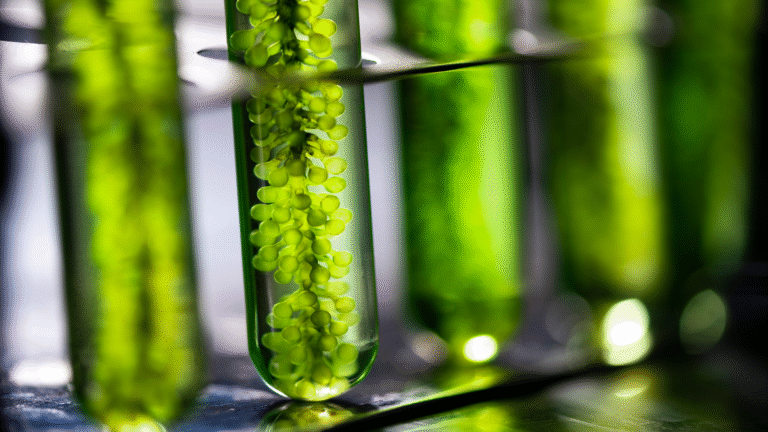
Fermentation generates bioactive metabolites that influence NAD⁺ biosynthesis and recycling pathways without delivering unstable or irritating precursors. During microbial metabolism, compounds such as nicotinamide derivatives, organic acids, and redox cofactors are produced.
These metabolites support NAD⁺ salvage pathways and improve intracellular redox balance, enabling cells to maintain repair and renewal functions efficiently.
Key NAD⁺-Dependent Pathways Influenced
Fermented NAD⁺ metabolism actives influence sirtuin signaling, mitochondrial efficiency, and DNA repair mechanisms. By supporting these pathways, they enhance cellular stress resistance and longevity signaling.
Importantly, these actives do not force metabolic acceleration. Instead, they optimize existing pathways, aligning renewal with physiological capacity.
Impact on Keratinocyte Differentiation and Barrier Repair
Keratinocyte differentiation and lipid synthesis require sustained metabolic support. NAD⁺ depletion disrupts these processes, leading to impaired corneocyte formation and barrier weakness.
By restoring NAD⁺ metabolism, fermented actives support orderly differentiation and barrier lipid production, resulting in improved hydration retention and reduced sensitivity.
Sensitive Skin and Redox Imbalance
Sensitive skin often exhibits redox imbalance and impaired stress adaptation. NAD⁺ plays a critical role in maintaining redox homeostasis and mitigating inflammatory signaling.
Because fermented NAD⁺ metabolism actives support intrinsic repair systems rather than inducing turnover, they are well tolerated by reactive and compromised skin.
Interaction With Mitochondrial and Autophagy Pathways
NAD⁺ metabolism is closely linked to mitochondrial function and autophagy regulation. Adequate NAD⁺ availability supports mitochondrial respiration and promotes efficient cellular cleanup processes.
Fermented NAD⁺ metabolism actives therefore complement, but do not duplicate, mitochondrial and autophagy-focused strategies.
Comparison: NAD⁺ Metabolism Support vs Turnover-Driven Renewal
| Attribute | Fermented NAD⁺ Metabolism Actives | Turnover-Driven Actives |
|---|---|---|
| Primary mechanism | Metabolic optimization | Cell acceleration |
| Impact on barrier | Supportive | Often disruptive |
| Irritation risk | Low | Moderate to high |
| Suitable for sensitive skin | Yes | Conditional |
Formulation Design Considerations
Fermented NAD⁺ metabolism actives integrate well into serums, emulsions, and daily-use formulations. Their stability and compatibility allow inclusion without complex delivery systems.
They pair effectively with fermented mitochondrial support actives, antioxidant enzymes, and ceramide precursors to create layered renewal strategies.
Regulatory and Market Relevance
NAD⁺-focused skincare aligns with longevity science and preventative aging trends. Because these actives do not involve vitamin A or exfoliating mechanisms, they face minimal regulatory restrictions.
Consumer interest in cellular energy and repair is increasing, positioning NAD⁺ metabolism as a high-value category.
Future Outlook for NAD⁺-Based Skin Renewal
Advances in fermentation and metabolic biology are expected to yield increasingly targeted NAD⁺-supportive metabolites. These innovations will further enhance precision and efficacy.
Fermented NAD⁺ metabolism actives are therefore positioned as foundational components of next-generation, resilience-focused skincare.