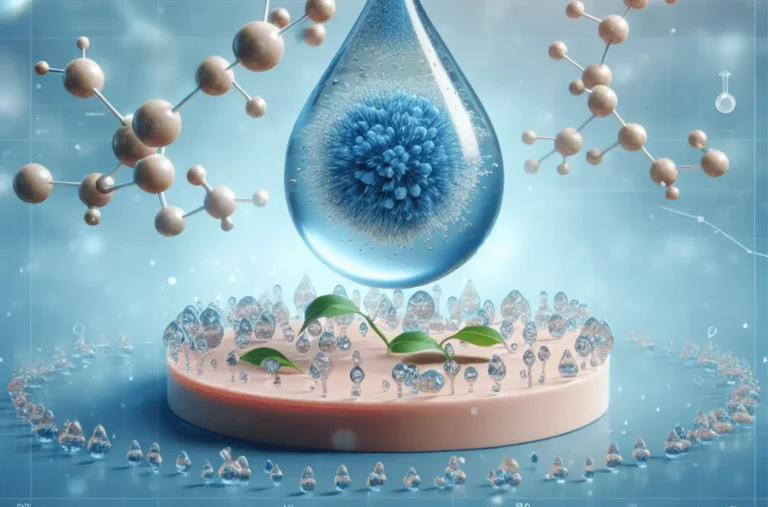

Encapsulated organic UV filters are transforming sunscreen development because they improve stability, reduce irritation, and enhance formulation reliability. Although organic filters are highly effective at absorbing UV radiation, many suffer from photoinstability, volatility, or reactivity when exposed to heat, light, or incompatible ingredients. Therefore, encapsulation offers a powerful strategy to isolate the filter, increase its photochemical resilience, and create safer and more comfortable sunscreen systems. As a result, encapsulated organic UV filters are becoming central to next-generation sun care formulation in 2026 and beyond.
Unlike mineral filters, which reflect and scatter UV light, organic UV filters absorb radiation and convert it into harmless energy. However, this absorption process often causes structural stress within the filter molecule, resulting in breakdown, reduced SPF, or free radical formation. Because encapsulation restricts the filter from directly interacting with oxygen and other reactive components, it significantly reduces degradation. Consequently, formulators can achieve higher performance using lower concentrations, which supports both comfort and regulatory alignment.
Why Organic UV Filters Benefit So Strongly from Encapsulation
Organic UV filters are among the most sophisticated and effective molecules in sunscreen chemistry. Yet their performance can decline rapidly without protective systems, primarily due to photolysis, migration, crystallization, or volatility. Additionally, many organic filters cause irritation or stinging when applied directly to sensitive skin. Encapsulation solves these issues by creating a controlled microenvironment around each molecule.
Because encapsulation separates the filter from the rest of the formula, it minimizes unwanted interactions and supports consistent SPF performance across temperature changes, humidity, and daily wear conditions. Moreover, encapsulated organic UV filters create smoother product textures, as they disperse evenly and resist crystallization.
How Encapsulation Enhances the Photochemistry of Organic UV Filters
The photochemical behavior of organic UV filters influences both safety and efficacy. As the filter absorbs UV radiation, it transitions into a high-energy state and must return safely to its original form. If it cannot, degradation occurs and performance drops. Therefore, encapsulation plays a critical role in regulating this energy transition.
- Reduced oxygen exposure: Encapsulation shields filters from oxygen, limiting oxidative breakdown.
- Lower free radical formation: Encapsulation isolates reactive byproducts before they reach the skin.
- Optimized isomerization: Organic filters often convert between molecular forms under UV; encapsulation stabilizes these transitions.
- Thermal buffering: Encapsulated filters remain stable even under high heat, sweat, or prolonged sun exposure.
Because these photochemical improvements translate directly into better SPF durability, encapsulated organic UV filters offer a measurable advantage over non-encapsulated alternatives.
Key Organic UV Filters Commonly Encapsulated
Each organic filter presents its own challenges. Encapsulation addresses these weaknesses while improving compatibility with modern formulation trends.
- Octinoxate (Ethylhexyl Methoxycinnamate): Prone to rapid photodegradation; encapsulation dramatically improves longevity.
- Avobenzone: Highly unstable under sunlight; encapsulation isolates it from destabilizing ingredients.
- Homosalate: Benefits from reduced migration and irritation potential.
- Octocrylene: Encapsulation decreases reactivity and potential sensitization.
- Tinosorb S / Tinosorb M: Already stable, but encapsulation further enhances compatibility and reduces shine.
As global regulations evolve, encapsulated organic UV filters help brands meet performance targets while reducing exposure concerns.
Encapsulation Systems Used for Organic UV Filters
Unlike mineral filters, organic filters require encapsulation systems capable of managing solubility, reactivity, and thermal sensitivity. Therefore, delivery technologies for this category must balance flexibility with strong containment.
1. Polymeric Microcapsules
These capsules surround UV filters with a robust barrier, preventing migration into the water phase and improving wear longevity. Additionally, they reduce irritation by preventing direct skin contact.
2. Lipid Nanocarriers
NLC and SLN systems trap filters within structured lipids, improving dispersion while offering a soft, silky feel ideal for facial sunscreens.
3. Silica and Hybrid Mineral Coatings
Although used primarily with minerals, silica-based encapsulation enhances organic filter photostability and reduces volatility.
4. Biopolymer Gels
Ideal for clean-label and sensitive formulas, biopolymer gels immobilize filters in a semi-rigid network that prevents migration and solvent crystallization.
Advantages of Encapsulated Organic UV Filters for Consumers
Because organic filters often present sensory and compatibility issues, encapsulation delivers significant improvements in comfort, safety, and long-wear performance.
- Reduced stinging and burning: Encapsulation prevents direct contact with sensitive skin.
- Less shine and greasiness: Encapsulated filters scatter light evenly for a smoother finish.
- Enhanced durability: Encapsulation reduces filter wash-off during sweat or humidity.
- Improved compatibility with makeup: Filters remain locked in place, reducing pilling.
- Cleaner application: Encapsulated filters reduce transfer onto fabrics.
Formulation Advantages for Chemists
From a technical perspective, encapsulated organic UV filters offer multiple formulation benefits that simplify product development and improve compliance.
- Greater photostability: Encapsulation slows photodegradation and preserves SPF.
- Reduced migration: Filters remain evenly distributed within emulsions.
- Lower volatility: Encapsulation prevents filter evaporation under heat.
- Improved compatibility: Filters no longer destabilize emulsions or react with antioxidants.
- Easier texture design: Encapsulation supports gels, serums, emulsions, sticks, and hybrid textures.
Comparison: Encapsulated vs. Non-Encapsulated Organic UV Filters
| Feature | Non-Encapsulated | Encapsulated |
|---|---|---|
| Photostability | Low | High — stabilized under UV exposure |
| Irritation Potential | Moderate to high | Low — limited skin contact |
| Volatility | High | Low — constrained within capsules |
| Migration in Emulsions | Frequent | Minimal |
| SPF Durability | Unpredictable | Consistent and long-lasting |
Environmental and Regulatory Advantages
Regulators worldwide are placing greater scrutiny on organic UV filters due to environmental persistence and safety concerns. Consequently, encapsulation helps brands align with evolving standards by reducing filter exposure, minimizing skin penetration, and decreasing overall irritation. Additionally, encapsulated filters rinse off less readily, supporting improved aquatic compatibility.
As environmental frameworks tighten, encapsulation will serve as a bridge technology that preserves organic filter efficacy while reducing ecological impact.
Future Outlook for Encapsulated Organic UV Filters
Encapsulation will continue evolving toward multifunctional systems that combine UV absorption with antioxidant defense, blue-light protection, and anti-pollution benefits. Furthermore, hybrid encapsulation structures will improve compatibility with tinted and makeup-hybrid sunscreens. As a result, encapsulated organic UV filters will remain essential for next-generation SPF development.
Research Links
- Photostability strategies for organic UV filters — Journal of Photochemistry
- Encapsulation and solvent control in sunscreen formulation — International Journal of Cosmetic Science
- Nanocarrier systems for UV filter stabilization — Cosmetics & Toiletries