
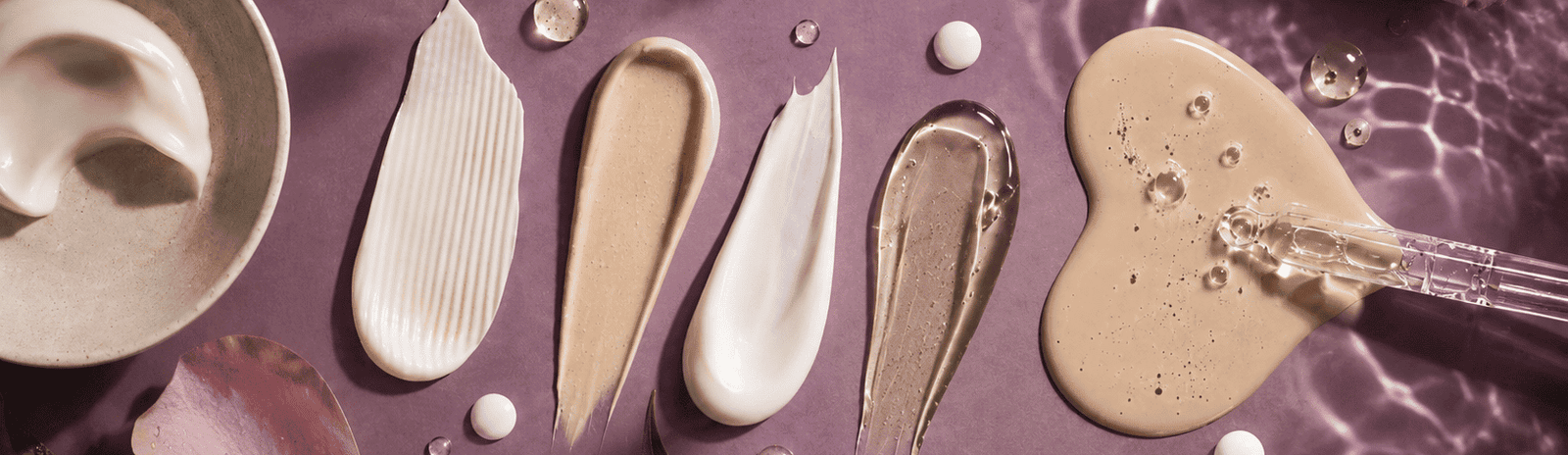


The forensic formulator represents a shift in how cosmetic science is communicated and understood. Most content in the industry focuses on how to build formulations. However, very few explain why formulations fail. In 2026, with the rapid rise of indie brands, compressed development timelines, and the integration of complex biotech actives, stability failures are occurring at an unprecedented rate. As a result, understanding failure is no longer optional—it is essential.
This blog approaches formulation like a forensic investigation. Instead of presenting ideal systems, we analyze real-world breakdowns. Each failure becomes a “case file,” where the chemical mechanisms are identified, the contributing factors are exposed, and the formulation weaknesses are reconstructed. Therefore, the goal is not only to explain what went wrong, but to provide a framework that prevents it from happening again.
The Emulsion Autopsy: Why 40% of “Cold-Process” Formulas Are Failing Stability Tests This Year
Cold-process formulation has become one of the most promoted approaches in modern cosmetics. It offers reduced energy consumption, faster production, and compatibility with heat-sensitive actives. However, behind these advantages lies a structural weakness. A growing number of cold-process emulsions are failing accelerated and real-time stability testing. These failures are not random. They follow predictable chemical patterns.
This section dissects the most common failure mechanisms observed in cold-process emulsions. Each case file represents a recurring issue seen across multiple formulations in 2026.
Case File #001: The Separation Event
Scene Description
A lightweight gel-cream moisturizer appears stable at launch. Initial viscosity, texture, and sensory profile meet expectations. However, after four weeks under accelerated conditions (40°C), the system begins to separate. Oil droplets aggregate, forming visible layers, and the emulsion loses uniformity.
The Chemical Crime
This failure originates from insufficient emulsification energy. Traditional emulsions rely on heat and high shear to reduce droplet size and create a stable interfacial film. In contrast, cold-process systems depend on low-energy emulsifiers and polymeric stabilizers. Without adequate droplet size reduction, the system remains kinetically unstable. Over time, gravitational forces drive creaming, flocculation, and coalescence.
The Hidden Accomplice
The presence of electrolytes amplifies the instability. Botanical extracts, peptides, and fermented actives introduce ionic species that interfere with emulsifier performance. These ions weaken the interfacial film and reduce repulsive forces between droplets. As a result, coalescence accelerates under stress conditions.
Forensic Conclusion
The emulsion did not fail suddenly. It was unstable from the beginning. The system lacked sufficient energy input and was further compromised by incompatible actives.
Case File #002: The Viscosity Collapse
Scene Description
A cream launches with a rich, luxurious texture. During initial testing, viscosity remains stable. However, after accelerated storage, the formulation becomes watery. The structure collapses, and the product loses its ability to suspend actives.
The Chemical Crime
This failure is linked to polymer network disruption. Cold-process formulations often rely on carbomers or associative thickeners. These polymers require specific pH conditions and low ionic environments to maintain their structure. When exposed to electrolytes or pH drift, the polymer network collapses, leading to rapid viscosity loss.
The Hidden Accomplice
Biotech actives introduce complexity. Exosome-like materials, fermented extracts, and peptide systems often contain salts and charged molecules. These components disrupt polymer interactions and weaken the gel network. Consequently, viscosity drops even when the base formulation appears stable.
Forensic Conclusion
The failure was not caused by the thickener itself, but by incompatibility between the polymer system and the active matrix.
Case File #003: The Color Shift Incident
Scene Description
A vitamin C serum is launched with a clear appearance. Within three weeks, it turns yellow-orange. Consumers interpret this as product degradation, leading to complaints and returns.
The Chemical Crime
L-ascorbic acid is highly susceptible to oxidation. Exposure to oxygen, light, and trace metal ions initiates degradation. The oxidation process converts ascorbic acid into dehydroascorbic acid and further breakdown products, resulting in visible discoloration and reduced efficacy.
The Hidden Accomplice
Cold-process systems often lack adequate oxygen control. Additionally, insufficient chelation allows trace metals to catalyze oxidation reactions. Without antioxidants, airless packaging, and metal control, the reaction accelerates rapidly.
Forensic Conclusion
The discoloration was inevitable. The formulation lacked the necessary stabilization systems to protect a highly reactive active.
Case File #004: The Microbial Breach
Scene Description
A “clean” formulation with minimal preservatives passes initial microbial testing. However, after consumer use, contamination appears within two months. The product develops odor and visible spoilage.
The Chemical Crime
Cold-process systems eliminate the heat phase, which normally reduces microbial load. As a result, initial contamination levels may remain higher. Combined with mild preservation systems, this creates a vulnerability.
The Hidden Accomplice
High water activity and botanical content provide an ideal environment for microbial growth. Additionally, repeated consumer exposure introduces new contaminants. Therefore, preservation systems must account for real-use conditions, not just laboratory testing.
Forensic Conclusion
The formulation was under-protected. The preservation system was not designed for real-world exposure.
The Systemic Problem: Why Cold-Process Formulations Fail
Low Energy Systems Reduce Stability Margins
Cold-process formulations reduce manufacturing energy input. However, this also reduces system robustness. Without sufficient shear and thermal input, emulsions remain closer to instability thresholds. Therefore, even small disruptions can trigger failure.
High Active Load Increases Instability Risk
Modern formulations incorporate peptides, exosomes, plant extracts, and functional actives. Each component introduces new variables. As a result, the system becomes more sensitive to interactions that disrupt stability.
Speed of Development Compromises Testing
The demand for rapid product launches shortens development timelines. Consequently, formulations may pass initial tests but fail under long-term or accelerated conditions. Stability testing is often insufficient to capture real-world behavior.
Formulator Takeaway: Designing Failure-Resistant Systems
Increase Emulsification Efficiency
Even in cold-process systems, sufficient shear and optimized emulsifier selection are critical. Reducing droplet size improves stability and reduces separation risk.
Map Electrolyte Interactions
Understanding the ionic profile of all ingredients helps prevent destabilization. Compatibility testing is essential when working with complex active systems.
Protect Reactive Actives
Incorporating antioxidants, chelators, and oxygen-limiting packaging improves stability. This is particularly important for actives such as vitamin C.
Design Real-World Preservation
Preservation systems must be validated under conditions that simulate consumer use. This ensures long-term safety and stability.
Conclusion: Failure Is the New Formulation Teacher
In 2026, the most valuable skill in cosmetic science is not just formulation—it is failure analysis. By understanding why systems break down, formulators can design products that perform reliably under real-world conditions. The forensic approach transforms instability from a problem into a source of insight. Ultimately, those who master failure will lead the next generation of skincare innovation.


