
How Self Tanning Color Breaks Down and Lasts Longer
Self tanning color does not fade randomly. It follows predictable biochemical and mechanical processes inside the stratum corneum. Because DHA binds to proteins in the upper layers of the skin,

Self tanning color does not fade randomly. It follows predictable biochemical and mechanical processes inside the stratum corneum. Because DHA binds to proteins in the upper layers of the skin,

Self tanning formulas are often evaluated under controlled, ideal conditions. However, real life is never controlled. People train at the gym, walk in humid streets, sleep in dry air-conditioned rooms,
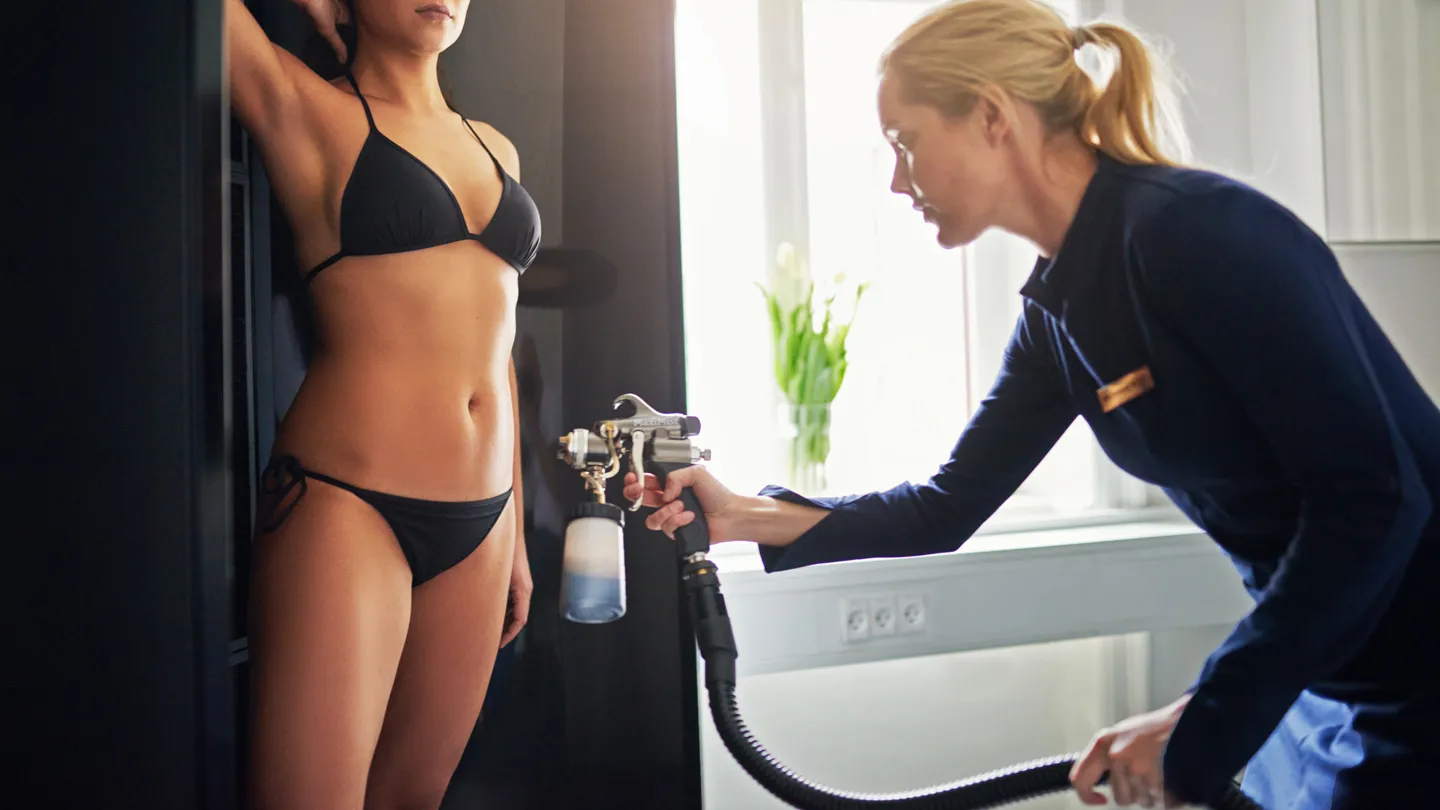
Skin pH plays a critical role in self tanning development because it controls how quickly DHA reacts, how deeply pigment forms, and how evenly tone develops across the face and

Hydration plays one of the most influential roles in self tanning chemistry, yet many consumers and even some formulators overlook how strongly water content in the stratum corneum shapes final
Self tanning chemistry relies heavily on the reactivity between skin surface amino acids and sugar-derived tanning actives such as DHA and erythrulose. Although many formulators focus on pH, hydration, and
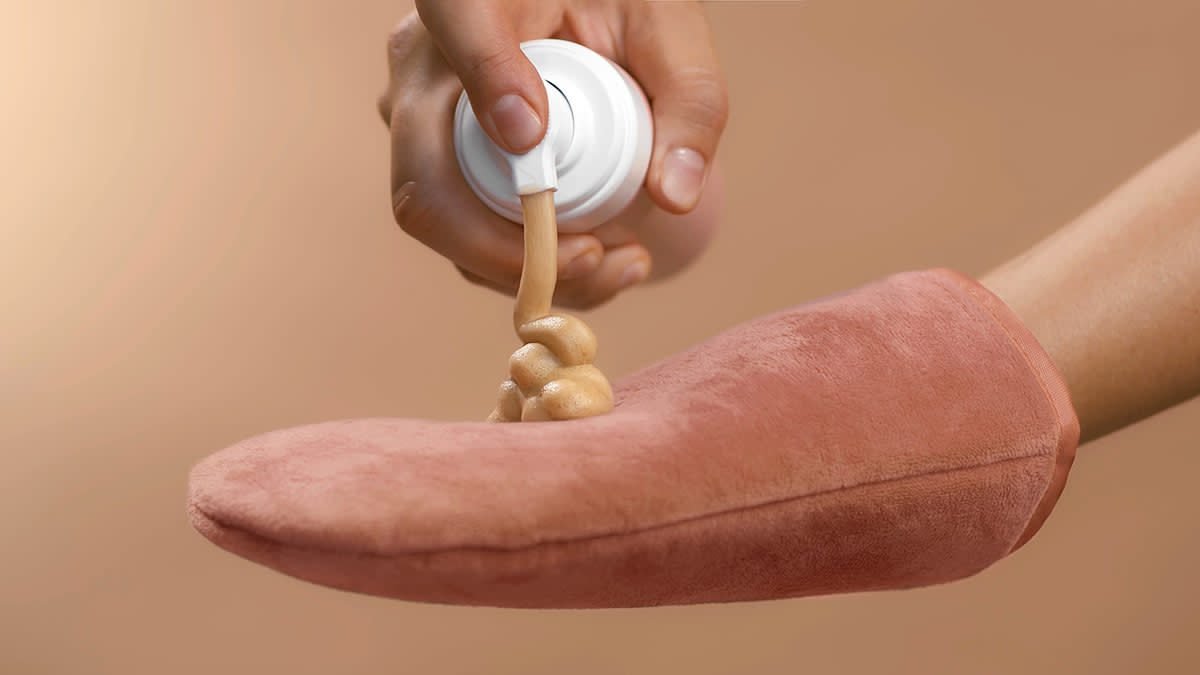
Even when DHA quality and concentration are correct, self-tanners can still streak, transfer, or fade too fast. The missing piece is often the polymer film former. Film-forming polymers control how
DHA pH stability is one of the most critical yet underappreciated aspects of self-tanning formulation. Even when color, odor, and texture appear optimized, subtle pH drift during storage or after
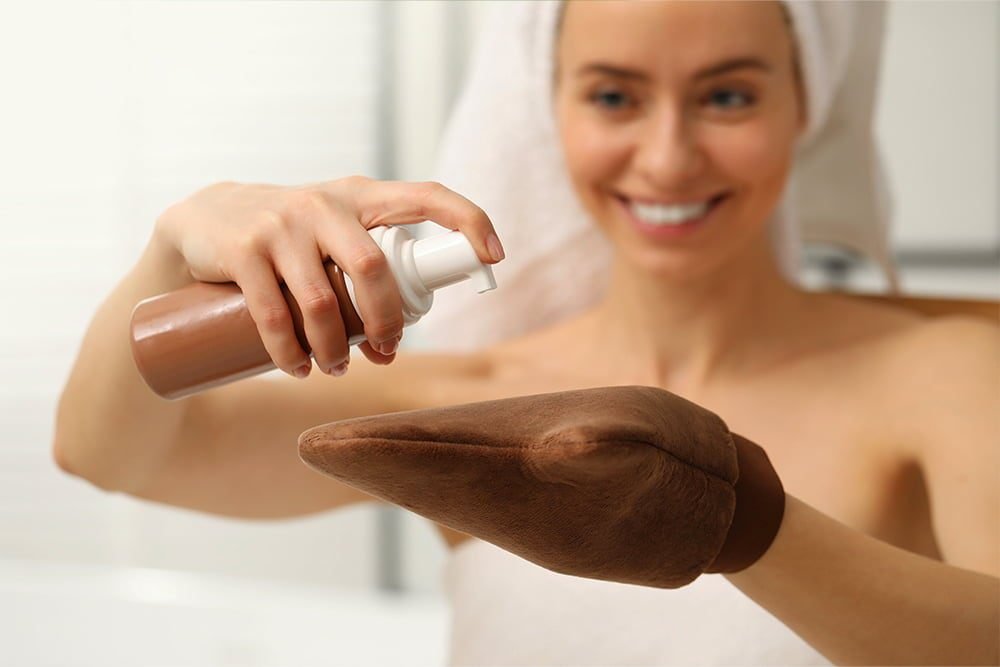
Self-tanning performance depends heavily on film formation, surface uniformity, hydration balance, and delivery efficiency. Although DHA is the primary tanning molecule in most systems, the way it travels, anchors, and
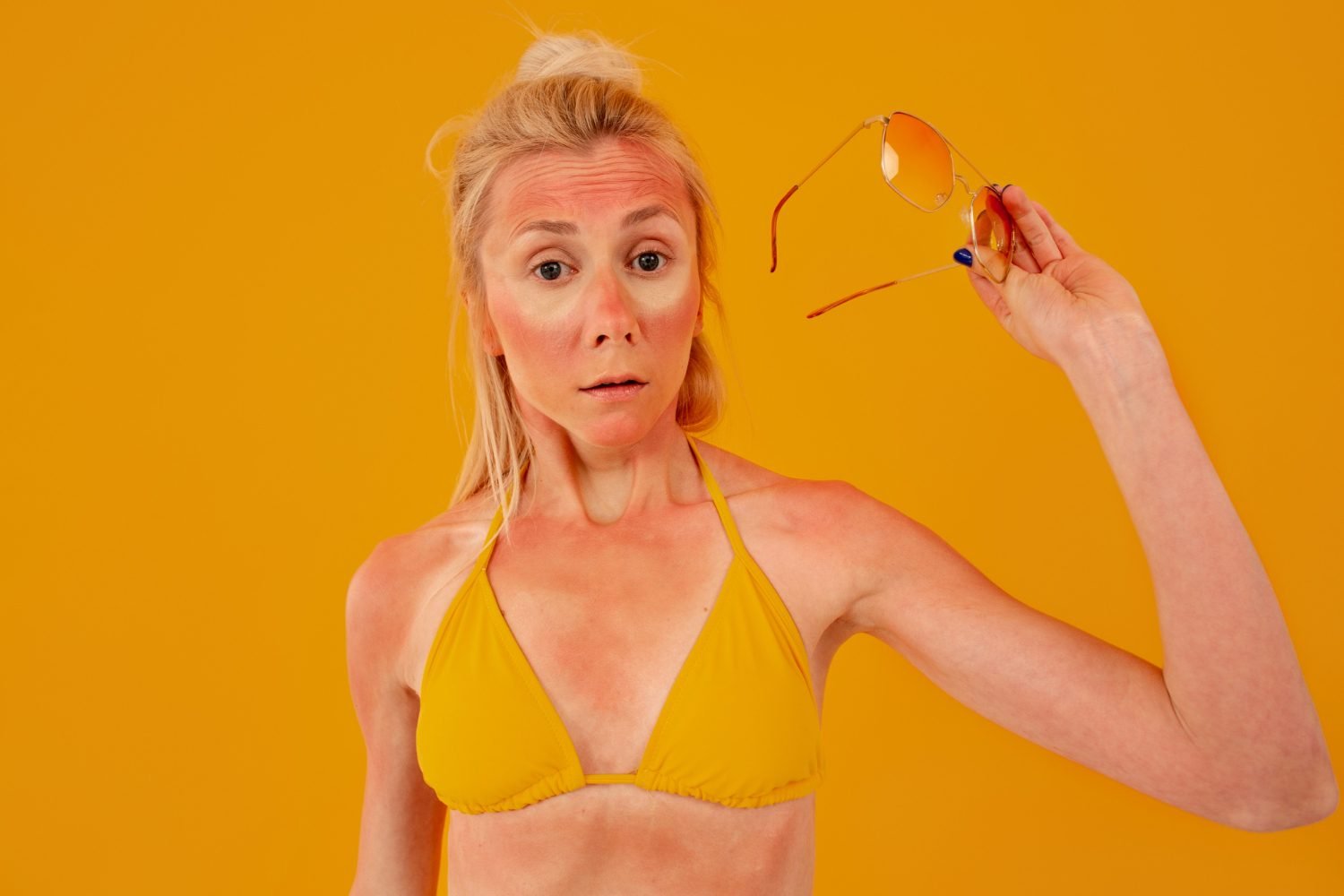
Melanin peptide tanning technologies represent the next evolution in self-tanning science. While DHA and erythrulose remain the foundation of traditional sunless tanning, their color is limited to surface-level Maillard reactions.
DHA odor control has become one of the most important areas of innovation in modern self-tanning formulation. Although DHA provides effective, long-lasting color through the Maillard-type reaction, it also produces
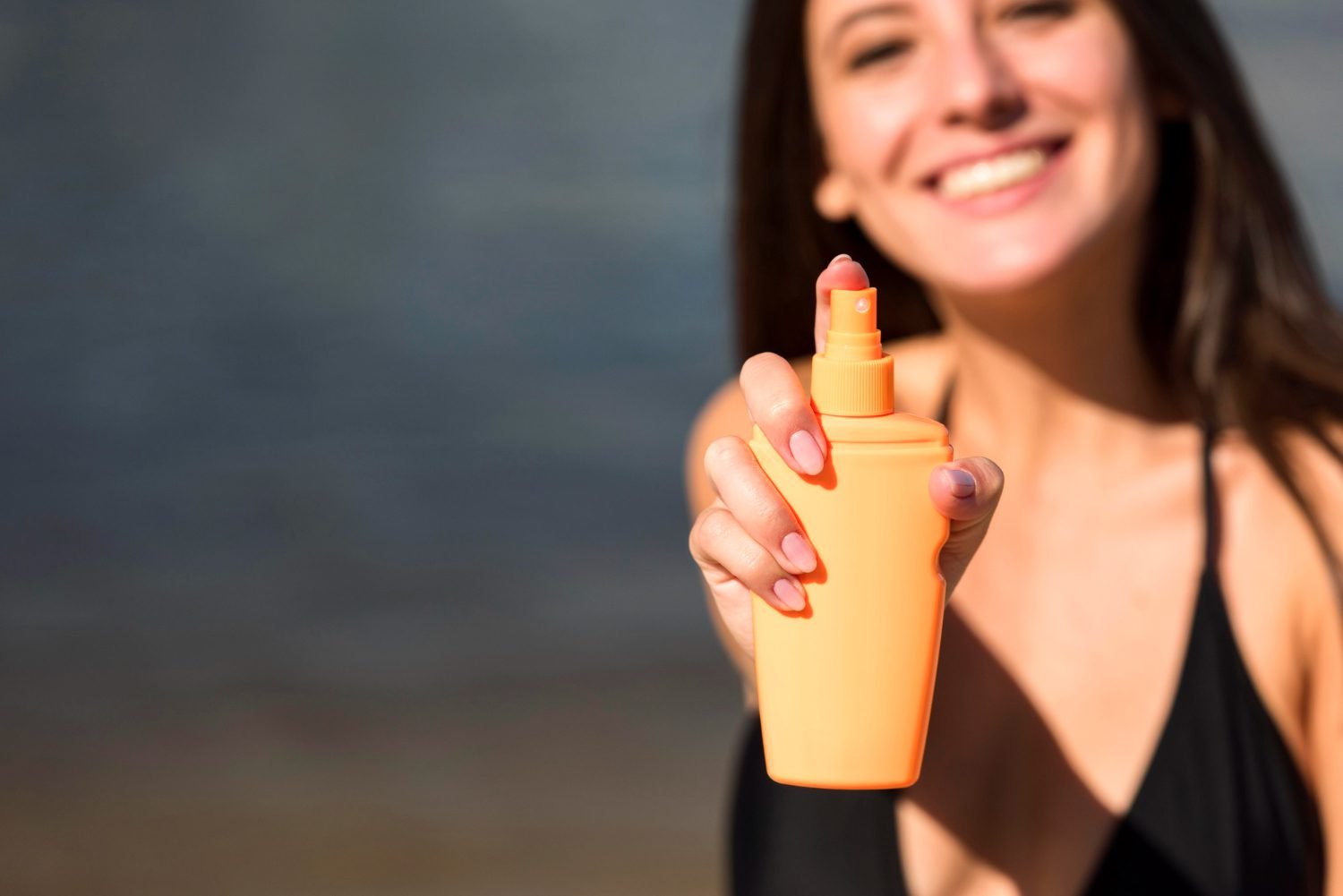
Preventing orange shift remains one of the most important challenges in self-tanning formulation. Although DHA is the core tanning active used across the industry, its reaction pathway can easily shift

DHA reaction science forms the foundation of all modern self-tanning systems. Although DHA has been used for decades, chemists still face challenges involving color depth, undertone accuracy, odor control, stability,