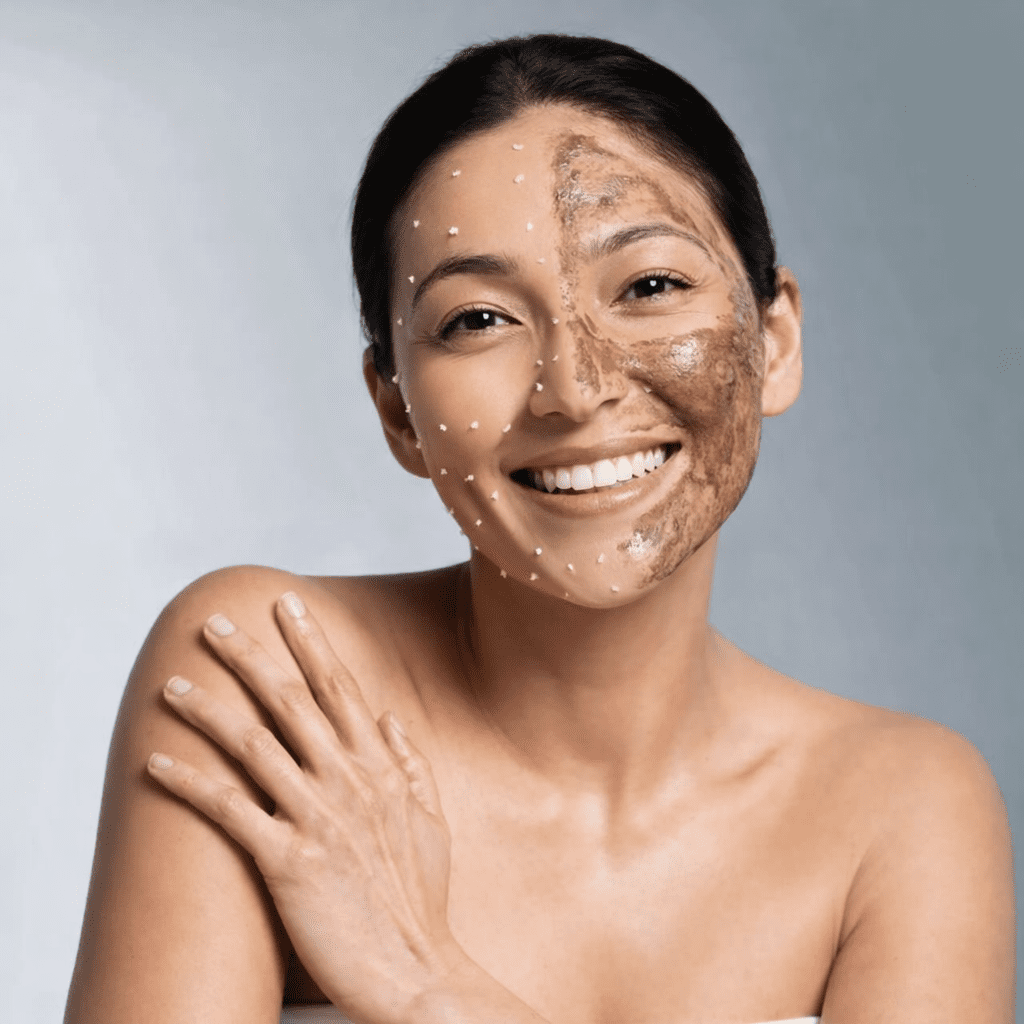
Fruit and plant-derived enzymes have become a powerful tool in cosmetic formulation because they offer a gentle, biologically intelligent way to renew the stratum corneum. Instead of using classical alpha hydroxy acids at low pH, many brands now rely on papain, bromelain, actinidin, and other botanical enzyme extracts to soften corneodesmosomes, loosen corneocyte cohesion, and refine surface texture. When chemists understand how these enzymes behave in cosmetic systems, they can design exfoliating products that feel mild yet deliver visible smoothing and radiance.
This article explores the function, structure, and formulation behavior of botanical enzyme extracts. It focuses on the most common sources used in skincare, explains how pH and temperature affect performance, and highlights key stability and safety considerations for modern enzyme-based exfoliation systems.
What Are Botanical Enzyme Extracts?
Botanical enzyme extracts are concentrated preparations obtained from plant tissues that contain proteolytic enzymes, sometimes alongside polysaccharides, organic acids, and phenolic compounds. In skincare, these extracts are typically used for their ability to cleave peptide bonds in corneodesmosomes and other protein structures in the outermost layers of the skin. They help accelerate desquamation, remove dull surface cells, and improve the penetration of other actives.
Unlike synthetic or animal-derived proteases, botanical enzymes come from recognizable food-grade sources and often support “fruit enzyme” or “natural exfoliation” marketing stories. However, they still require rigorous characterization, stabilization, and safety evaluation to function reliably in cosmetic products.
Key Botanical Enzymes Used in Skincare
Papain from Papaya
Papain is a cysteine protease obtained from the latex of Carica papaya fruit. It cleaves peptide bonds in a broad range of substrates and remains active over a relatively wide pH window. In skincare, papain is often positioned as a gentle keratolytic that supports surface renewal, improves smoothness, and helps refine the appearance of pores. It appears in powder form, standardized enzyme concentrates, or as part of papaya fruit extracts.
Bromelain from Pineapple
Bromelain is a protease complex derived from Ananas comosus, with contributions from both stem and fruit. It acts on various protein substrates and has a long history of use in food processing and topical applications. In cosmetic formulas, bromelain can soften the stratum corneum and support mild exfoliation with less stinging than high-level acids. It often appears in “pineapple enzyme” masks and cleansers designed for frequent use.
Actinidin from Kiwi
Actinidin is a protease from Actinidia deliciosa that shows strong activity on certain proteins, including keratin. Although less common than papain and bromelain, actinidin appears in some fruit enzyme blends marketed for radiance and texture refinement. It illustrates a broader trend toward diversified enzyme sources where individual plants supply slightly different substrate preferences and kinetics.
Other Emerging Botanical Enzymes
Beyond the classic trio, formulators increasingly experiment with enzymes from fig, pumpkin, and other fruits. These extracts often combine proteases with additional components, such as polysaccharides, vitamins, and phenolics. As a result, they can offer both exfoliation and supportive benefits like hydration or antioxidant protection.
How Botanical Enzymes Work on the Skin
The stratum corneum maintains cohesion via corneodesmosomes, specialized protein structures that link corneocytes. Over time, endogenous enzymes gradually degrade these proteins and allow the outermost cells to shed. External stress, impaired barrier function, or low enzymatic activity can slow this process and lead to a dull, rough surface appearance.
Botanical proteases support this natural process by adding additional, exogenous proteolytic activity to the skin’s surface. When used at appropriate levels and under controlled pH and temperature conditions, they help reduce excessive corneocyte cohesion without causing the same intensity of barrier disruption associated with very low pH exfoliants.
Critical Factors That Influence Enzyme Activity
pH Window
Every enzyme operates best within a certain pH range. Many fruit-derived proteases show optimal or near-optimal activity around mildly acidic conditions, often between pH 5 and 7, depending on the specific enzyme and formulation environment. When the pH drops too low, some enzymes denature or lose activity; when it rises too high, they may become unstable or less effective.
For this reason, enzyme-based exfoliating products frequently target a middle pH zone that remains compatible with the stratum corneum and still supports meaningful proteolysis. Chemists can control perceived strength by adjusting enzyme level, pH, contact time, and secondary exfoliating agents.
Temperature Sensitivity
Botanical enzymes behave like other proteins: they gain activity as temperature rises up to a point and then lose activity or denature as heat increases further. Most cosmetic formulas are designed to operate at skin temperature, so the main concern lies in manufacturing and storage. Excessive heat during processing or filling can damage enzyme structure, and prolonged high-temperature storage can reduce shelf activity.
To protect functionality, formulators commonly add enzyme concentrates at low temperatures during cool-down, minimize unnecessary heating steps, and validate activity retention through stability testing.
Water Activity and Solvent System
Enzymes require a certain level of hydration to remain active. Very low water activity systems may preserve enzymes in a semi-dormant state, which can benefit shelf life but limits activity until water becomes available on the skin. On the other hand, high water activity supports more immediate activity yet can accelerate hydrolytic degradation or microbial growth if preservation is not adequate.
Solvent choice also matters. Some botanical enzymes tolerate hydroglycerin and hydroglycolic systems well, while others become more sensitive in the presence of certain solvents or high salt levels. Each extract must be tested in the actual base used for the final formula.
Formulation Formats for Botanical Enzyme Extracts
Botanical enzyme extracts appear in several common product types, each with its own design considerations.
Rinse-Off Masks and Peels
Enzyme masks and peels allow controlled contact time and easy removal, which gives formulators flexibility with higher enzyme levels. These systems often combine enzymes with hydrating agents, film formers, and soothing botanicals to maintain comfort while the enzymes work. Texture and spreadability influence even distribution, which directly affects performance.
Cleansers and Daily Exfoliating Washes
Cleansers that incorporate fruit enzymes offer a very mild, short-contact exfoliation. Because surfactants can impact enzyme stability and activity, formulators must balance pH, surfactant type, and enzyme concentration. In this format, enzymes complement, rather than replace, chemical or physical exfoliation.
Leave-On Serums and Lotions
Leave-on products require especially careful control over activity, safety, and stability. In these systems, enzymes may operate at very low levels over extended time, providing subtle but consistent smoothing. To avoid excessive barrier disruption, chemists often combine enzymes with barrier-supporting lipids, humectants, and calming plant extracts.
Stability Challenges and Solutions
Botanical enzyme extracts offer impressive performance, yet they also introduce several stability challenges. These challenges primarily involve maintaining protein structure, preventing unwanted proteolysis of formula components, and ensuring consistent activity over shelf life.
Protecting Enzyme Structure
Enzymes are sensitive to heat, extreme pH, and oxidizing environments. Practical protective strategies include:
- Adding enzyme concentrates late in the manufacturing process during cool-down.
- Maintaining processing temperatures below denaturation thresholds.
- Designing buffering systems that hold pH within the enzyme’s preferred range.
- Using packaging that limits oxygen and light exposure where needed.
Preventing Unwanted Proteolysis
Because enzymes cleave proteins, they might gradually act on certain formula components, such as protein-based polymers or stabilizers. Careful raw material selection, optimization of pH, and strategic use of encapsulated enzymes or activation-on-use formats can reduce this risk. Stability studies should evaluate viscosity, texture, and appearance over time to detect subtle formulation drift.
Microbiological Considerations
Plant-derived enzyme extracts often contain additional organic matter that can support microbial growth. Robust preservation systems and challenge testing remain essential, especially in high-water or rinse-off formats. Preservation must remain compatible with both enzyme stability and regulatory requirements for the target market.
Safety and Sensory Profile
Botanical enzyme extracts can deliver a milder sensory profile compared with some aggressive acid systems, but they still require thoughtful use. Excessive concentrations, long contact times, or occlusion can increase the risk of irritation or barrier disruption.
- Patch testing helps assess tolerance on sensitive skin types.
- Formulas should include soothing co-actives, such as panthenol or barrier-supporting lipids, when targeting stressed or reactive skin.
- Clear on-pack instructions about frequency of use and contact time help align consumer behavior with the intended exfoliation level.
When designed correctly, enzyme-based exfoliating products create a smooth, refined feel with minimal stinging. They also pair well with brightening and hydrating regimes, supporting a luminous, even surface appearance.
Positioning Botanical Enzymes in a Formulation Strategy
Botanical enzyme extracts occupy a unique place in the broader exfoliation toolkit. They sit between classic acid exfoliants and mechanical scrubs, providing a more biologically driven mechanism at the surface. Chemists can use them to:
- Offer an alternative for consumers who dislike low-pH acid systems.
- Enhance performance of milder acid formulas without increasing stinging.
- Replace abrasive scrubs in products created for sensitive or compromised barriers.
- Support “fruit enzyme” and “natural renewal” stories that resonate with many markets.
As with any high-performance active, consistency matters. Reliable sourcing, standardization of enzyme activity, and robust stability testing ensure that clinical data and consumer experience match the product’s positioning.