As consumers demand safer, more sustainable skincare, bioferments are emerging as a vital ingredient in cosmetic preservation systems. These naturally derived ingredients offer a dual benefit: protecting products from microbial contamination while enhancing skin health. This article explores how bioferments are reshaping the future of preservation in clean beauty products and how they align with growing consumer preferences for natural alternatives to synthetic preservatives.
What Are Bioferments?
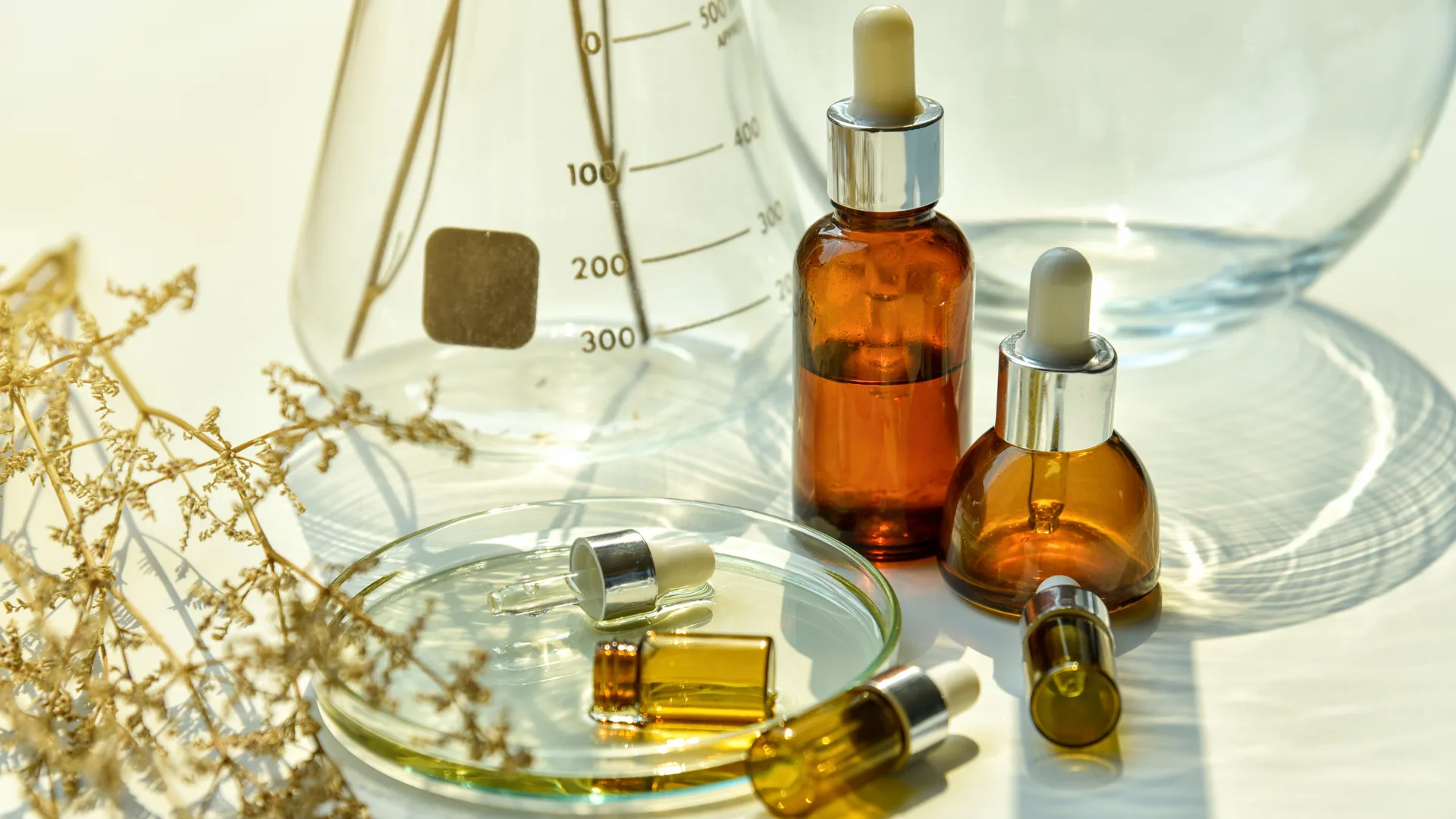
Bioferments are products of the fermentation process, in which microorganisms break down substances like plant extracts, fruits, or sugars to create bioactive compounds. These compounds can offer various skin benefits, such as hydration, anti-inflammatory properties, and antioxidant effects. Additionally, many bioferments have antimicrobial properties, making them effective in preserving cosmetics while adding value to the product’s efficacy.
Some common bioferments used in cosmetics include:
- Lactobacillus Ferment: A probiotic fermentation ingredient that supports the skin’s microbiome, improving skin barrier function and preventing microbial overgrowth.
- Yeast Extracts: Rich in vitamins, minerals, and peptides, these extracts support skin repair and hydration while offering antimicrobial protection.
- Plant Ferments: Derived from fermented plant matter, these ferments can act as natural preservatives, preventing bacterial growth and supporting skin health.
How Bioferments Work in Preservation Systems
Bioferments provide natural microbial control by introducing beneficial microorganisms into the product that inhibit harmful microbial growth. When incorporated into cosmetic formulations, bioferments create an environment where beneficial bacteria outcompete harmful ones, preventing spoilage and contamination.
Beyond their preservation capabilities, bioferments also offer additional skin benefits. For example, some probiotic strains can help balance the skin’s microbiome, reduce inflammation, and promote a healthier skin barrier. These added skin care benefits make bioferments a highly attractive ingredient for clean beauty formulations.
Benefits of Bioferments in Cosmetic Preservation
Using bioferments in cosmetic formulations offers several key benefits:
- Natural Preservation: Bioferments provide a natural, safe alternative to synthetic preservatives, which may cause skin irritation or allergic reactions in sensitive individuals.
- Skin Health Benefits: Bioferments can enhance skin hydration, reduce inflammation, and support the skin’s natural barrier function, making them an excellent choice for skin-care products.
- Eco-Friendly: As bioferments are derived from renewable, biodegradable sources, they contribute to a more sustainable approach to cosmetic preservation, aligning with clean beauty values.
- Reduced Chemical Load: By replacing synthetic preservatives, bioferments help create cleaner formulations that are free from harmful chemicals, benefiting both the skin and the environment.
Challenges of Using Bioferments in Cosmetic Preservation
While bioferments offer significant advantages, they also present some challenges:
- Limited Broad-Spectrum Protection: Bioferments may not provide the same broad-spectrum antimicrobial protection as synthetic preservatives, especially in formulations with high water content.
- Stability Issues: Some bioferments may lose their efficacy over time, especially when exposed to heat, light, or high pH levels. This requires careful formulation and testing to ensure stability.
- Higher Costs: The production of bioferments can be more expensive compared to synthetic preservatives, which could make products using bioferments pricier for consumers.
Innovative Approaches Using Bioferments
As the clean beauty industry continues to evolve, formulators are finding innovative ways to use bioferments in preservation systems:
- Combining Bioferments with Other Natural Preservatives: By pairing bioferments with other natural preservatives, such as essential oils or plant extracts, formulators can create a more robust preservation system that is both safe and effective.
- Microencapsulation: Microencapsulation technology can protect bioferments from environmental factors like light and air, preserving their efficacy while enhancing the shelf life of the product.
- Fermented Active Ingredients: Some skincare brands are developing fermented active ingredients that offer both preservation and skin care benefits, such as fermented peptides that support collagen production while preventing microbial contamination.
Future Trends for Bioferments in Cosmetic Preservation
As consumer demand for clean, effective beauty products continues to rise, bioferments will play an increasingly important role in cosmetic preservation systems. Some future trends include:
- Advanced Fermentation Technologies: New fermentation technologies will improve the efficiency and consistency of bioferments, making them more effective and cost-efficient.
- Personalized Skincare: As personalized skincare becomes more mainstream, bioferments could be tailored to specific skin types or conditions, enhancing the efficacy of both preservation and treatment properties.
- Hybrid Preservation Systems: The future may see the combination of bioferments with other natural and low-preservative systems to offer enhanced microbial control while maintaining clean beauty standards.
Conclusion
Bioferments are transforming the cosmetic industry by offering natural preservation options that are safe, effective, and sustainable. These ingredients not only help preserve the shelf life of products but also enhance skin health, making them ideal for clean beauty formulations. Despite some challenges, such as cost and limited broad-spectrum protection, the benefits of bioferments make them a valuable tool in the ongoing quest for safer, more sustainable cosmetics.