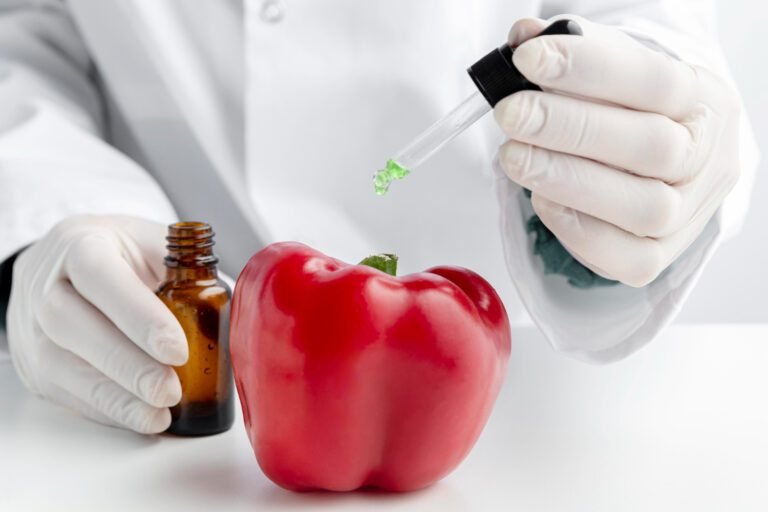

Botanical extracts remain foundational in cosmetic formulation because they provide antioxidants, soothing compounds, phytonutrients, and multifunctional bioactives. However, despite their benefits, many plant extracts face a major limitation: they oxidize. Oxidation changes color, reduces potency, shifts aroma, and destabilizes the final formulation. As a result, understanding oxidation pathways and stability strategies becomes essential for chemists building modern, high-performance skincare. This guide explains the science behind botanical oxidation, highlights the factors that accelerate degradation, and explores the protective systems that preserve bioactivity.
What Oxidation Means for Botanical Extracts
Oxidation is a chemical reaction in which plant compounds lose electrons. This loss creates reactive intermediates, triggers polymerization, forms pigments, and generates volatile breakdown products. Because many botanical compounds remain highly reactive, oxidation progresses rapidly. Phenolics, flavonoids, carotenoids, tannins, and essential oils all demonstrate varying sensitivities, yet they share similar degradation behavior. When the rate of oxidation increases, the extract loses vibrancy, develops off-notes, and contributes to formulation instability. As botanical science advances, formulators aim to slow this process, improve consistency, and maintain functional performance throughout shelf life.
Why Certain Botanical Compounds Oxidize Faster
Different botanical fractions degrade at different speeds, and understanding these patterns helps chemists choose the right protective strategy. Polyphenols oxidize because their ring structures donate electrons easily. Carotenoids degrade quickly when exposed to light because their conjugated double-bond systems react strongly to photon energy. Essential oils auto-oxidize through radical chain reactions that convert terpenes into peroxides and acids. Even stable-seeming compounds, such as saponins or polysaccharides, eventually oxidize under extreme heat or UV exposure. Although extraction method influences stability, the internal chemistry of each botanical drives its sensitivity.
Extraction Method and Oxidation Risk
The extraction technique determines both composition and vulnerability. Cold-pressed oils often oxidize quickly because they contain unrefined lipids and pigments. Hydroalcoholic extracts resist oxidation slightly better, yet they still carry reactive polyphenols. Supercritical CO₂ extracts remain among the most stable because they contain fewer impurities and reduced moisture. Fermented plant extracts demonstrate improved stability because fermentation often reduces reactive fractions while increasing uniformity. Regardless of method, the formulator must evaluate oxidation risk when selecting botanicals for water-based systems, emulsions, or anhydrous formats.
Environmental Factors That Accelerate Degradation
Botanical oxidation increases dramatically when the extract faces oxygen, heat, light, or metal contaminants. Oxygen exposure initiates radical formation, which cascades into constant degradation. Light supplies energy that excites chromophores, creating unstable intermediates. Heat accelerates reaction rates across all oxidative pathways, even when visible changes appear slowly. Trace metals such as iron, copper, or manganese catalyze oxidation and multiply reaction chains. Because these conditions appear repeatedly in cosmetic production and storage, chemists must counter them with stabilizers, antioxidants, and proper packaging.
The Role of pH in Botanical Stability
pH significantly influences how quickly botanical ingredients oxidize. Acidic environments slow oxidation for most flavonoids and polyphenols because they remain in less reactive protonated forms. Alkaline environments often accelerate breakdown by making phenolic groups easier to oxidize. Carotenoids degrade regardless of pH, but they show better stability when placed in slightly acidic emulsions. Because each botanical displays a unique pH sensitivity curve, formulators must evaluate stability within the target pH range of the final formula. Stability testing across multiple pH conditions often uncovers ideal ranges that preserve potency while maintaining performance.
Moisture and Oxidation Behavior
Moisture dramatically changes oxidation pathways in botanical extracts. Water increases mobility, enhances hydrolysis, and exposes reactive groups that remain dormant in dry extract forms. Powdered botanicals oxidize far more slowly than liquid extracts because they carry reduced water activity. However, once incorporated into a water-based system, they oxidize faster unless protected properly. This moisture-driven behavior explains why powdered extracts require careful rehydration and immediate stabilization once dissolved into formulation bases.
Light-Induced Botanical Degradation
Light remains one of the most powerful drivers of botanical oxidation. Ultraviolet radiation breaks molecular bonds, forms radicals, and generates reactive oxygen species. Visible light can also destabilize carotenoids, chlorophyll derivatives, and many colorful polyphenols. Even amber or green formulas degrade when exposed to intense light over long periods. Because light accelerates oxidation exponentially, formulators increasingly rely on opaque packaging, UV-protective coatings, and tinted bottles. These methods reduce photodegradation while maintaining consumer-friendly aesthetics.
Packaging Solutions That Protect Against Oxidation
Packaging influences botanical stability significantly, sometimes more than formulation additives. Airless pumps reduce oxygen exposure and maintain antioxidant performance longer. Dark or UV-resistant bottles minimize light-driven degradation. Foil sachets protect sensitive botanical blends from oxygen and humidity. Aluminum tubes limit headspace and slow down radical initiation. Because botanicals remain inherently unstable, packaging design must become part of the formulation strategy rather than an afterthought. Brands that ignore this connection risk early discoloration, off-odors, and inconsistent consumer experience.
Primary Antioxidants Used to Stabilize Botanicals
Antioxidants neutralize radicals and slow down the oxidative chain reaction. Ascorbic acid, tocopherol, and rosemary extract remain popular because they interrupt radical propagation. Ascorbyl palmitate stabilizes oil-based systems effectively. Ferulic acid enhances stability by forming stable radical intermediates. Natural polyphenol blends provide antioxidant reinforcement while aligning with clean beauty trends. Because each antioxidant has unique solubility and reaction kinetics, chemists often combine several types to achieve broad-spectrum protection. These blends prolong botanical potency and improve overall stability.
Secondary Antioxidants and Chelators
Secondary antioxidants such as phospholipids, amino acids, or reducing agents regenerate primary antioxidants or deactivate peroxides. Chelators like EDTA, gluconates, or phytic acid bind metal ions that accelerate oxidation. Because trace metals enter formulations through water, equipment, or raw materials, chelators become essential in botanical-rich systems. These ingredients prevent catalytic degradation, reduce discoloration, and support antioxidant networks. Together, primary antioxidants, secondary antioxidants, and chelators create a multi-layer stability platform.
Antioxidant Synergy and Botanical Systems
Stability improves significantly when antioxidants work together rather than individually. For example, ferulic acid strengthens ascorbic acid performance and slows photooxidation. Tocopherol regenerates ascorbic acid, extending its effective lifespan. Rosemary extract provides lipid-phase protection while synergizing with phospholipids. Because botanicals contain a complex mix of reactive compounds, synergistic antioxidant networks deliver better stability than singular approaches. Formulators increasingly rely on testing to determine the most effective combinations for each botanical system.
Avoiding Early Discoloration and Off-Odors
Discoloration remains the first sign of botanical oxidation. Green extracts turn brown, yellow carotenoids fade, and pink anthocyanins shift into dull tones. Off-odors such as rancid, sour, metallic, or fermented notes signal deeper breakdown. Because consumers interpret these changes as poor quality, preventing discoloration becomes as important as maintaining functional potency. Stabilizers, chelators, light-protective packaging, and reduced headspace all help mitigate these problems before they become visible or noticeable.
Testing Botanical Stability in Formulation
Stability testing confirms how botanicals behave under real formulation conditions. Elevated temperature testing reveals the speed of oxidation. UV exposure tests identify photodegradation pathways. Freeze–thaw cycles uncover precipitation, phase shifts, or hydrolysis. Headspace oxygen analysis measures how much oxygen interacts with the botanical over time. Antioxidant depletion testing quantifies how quickly the protection system weakens. Together, these tests provide a complete stability profile that guides formula adjustments and long-term performance predictions.
Designing Stable Botanical Systems for Modern Cosmetics
Modern formulators choose stabilization strategies based on extract type, formulation base, desired aesthetics, and expected shelf life. Airless packaging minimizes oxygen exposure as soon as the consumer begins use. Emulsifiers and polymers stabilize botanical-rich emulsions by reducing molecular mobility. Antioxidant networks protect both water and oil phases simultaneously. Chelators prevent catalytic degradation from trace metals. By combining sampling, testing, and strategic selection of protective ingredients, formulators extend the lifespan of botanical extracts dramatically.
Formulating for Long-Term Potency
Long-term stability requires anticipating how each extract behaves over time. Formulators select extraction methods that offer consistent quality, choose solvents that minimize oxidation, and incorporate antioxidants that match solubility requirements. They also evaluate raw material quality and verify supplier stabilization methods. Because modern formulations rely heavily on botanical actives, consistent stability guarantees predictable performance. Even small improvements in oxidation resistance lead to better consumer experience and fewer returns.
How to Detect Early Instability in Botanicals
Early instability appears as subtle color change, micro-precipitation, foam instability, or viscosity drift. Because these signals may appear before full oxidation, formulators must track them during accelerated testing. Chromatographic analysis identifies breakdown compounds early. Sensory evaluation detects odor shifts. Visual checks capture surface film formation or darkening. Monitoring these markers helps chemists adjust antioxidant concentration or packaging before final production.
Heat Sensitivity and Thermal Stability Solutions
Heat accelerates botanical oxidation and changes molecular structure. Thermal degradation causes pigment breakdown, destroys volatile fractions, and reduces antioxidant capacity. To protect heat-sensitive botanicals, formulators incorporate them in cool-down phases, use low-shear emulsification, or add them to anhydrous systems. Thermal stabilizers, polymeric matrices, and gentle solvents also protect vulnerable extracts. Because many modern extracts contain heat-labile fractions, the combination of precise processing and smart ingredient pairing delivers better stability.
Oxidation in Water-Based vs. Oil-Based Systems
Water-based systems accelerate oxidation because they enable hydrolysis and radical initiation. Oil-based systems oxidize more slowly yet suffer from rancidity and peroxidation. To protect water-based systems, formulators rely on chelators, pH control, and water-soluble antioxidants. To protect oil-based systems, they increase tocopherol levels, add phospholipids, or incorporate rosemary extract. Hybrid systems require both approaches simultaneously to preserve botanical potency.
Fine-Tuning Botanical Stability for Modern Trends
Modern cosmetic trends prioritize clean formulations, minimal preservatives, and transparent labels. However, these preferences often conflict with botanical stability. Because oxidation remains unavoidable, formulators rely on natural antioxidants, innovative packaging, and biotech-assisted extracts to maintain performance. As the industry evolves, stabilization technology grows increasingly sophisticated, ensuring that botanical-rich products maintain safety and efficacy over time.
Why Stability Matters to Consumers
Consumers expect botanical skincare to look vibrant, feel fresh, and perform consistently. Oxidized products appear dull, smell off, and lose efficacy. Even small shifts in color or aroma impact perception, making stability a core brand value. Stable botanical extracts reinforce credibility and deliver the user experience consumers expect from high-end skincare. Because of this, stability is not merely a technical concern—it becomes a competitive advantage.
Building the Future of Botanical Stability
As botanical science advances, formulators integrate biotechnology, green chemistry, and advanced antioxidant networks to improve stability. Fermented botanicals, encapsulated actives, and standardized extracts demonstrate improved resistance to oxidation. New chelators and stabilizers provide stronger protection with cleaner profiles. Because these innovations align with consumer demand for natural yet effective skincare, they define the next generation of botanical formulation.
Conclusion
Botanical extract oxidation remains a complex challenge, yet modern cosmetic science provides robust tools to manage it. Through careful ingredient selection, antioxidant synergy, chelation, pH control, and smart packaging, formulators build stable, high-performance botanical systems that maintain potency and consumer appeal. As the industry continues to innovate, stability will remain a central pillar of botanical formulation.