Aging skin does not fail suddenly. Instead, it enters a prolonged state of low-grade biological stress in which repair signals persist without resolution. This condition, often referred to as chronic low-grade inflammation or inflammaging, represents a distinct physiological state rather than a cosmetic concern alone. By the time visible signs appear, inflammatory signaling has already reshaped barrier function, lipid architecture, immune tolerance, and cellular responsiveness.
Unlike acute inflammation, which resolves through repair cascades, chronic low-grade inflammation remains subclinical yet persistent. As a result, aging skin continues to signal for repair while losing the capacity to complete it. This paradox explains why many well-formulated cosmetic systems gradually lose predictability in mature skin despite correct usage and compliance.
Inflammaging Is a Biological Condition, Not a Marketing Term
The concept of inflammaging originates from immunology and gerontology rather than cosmetic science. It describes a sustained elevation of inflammatory mediators such as IL-6, TNF-α, and NF-κB signaling in aging tissues. In skin, this signaling remains low enough to avoid acute symptoms yet high enough to disrupt homeostasis. Consequently, barrier renewal slows, immune tolerance narrows, and oxidative stress accumulates even in the absence of external insults.
Importantly, inflammaging does not require visible irritation. Skin may appear intact while operating in a chronically defensive state. Therefore, traditional markers such as redness or sensitivity fail to capture the underlying biological shift. This disconnect frequently leads to formulation mismatches, where actives appropriate for younger skin provoke unpredictable responses in aging tissue.
How Chronic Inflammation Alters Barrier Architecture
In healthy skin, barrier renewal depends on tightly regulated keratinocyte differentiation, lipid synthesis, and corneocyte organization. However, chronic low-grade inflammation disrupts this coordination. Pro-inflammatory cytokines interfere with ceramide synthesis, reduce filaggrin expression, and impair lamellar body secretion. As a result, the barrier becomes structurally intact but functionally inefficient.
Moreover, inflammatory signaling alters lipid ratios rather than eliminating lipids altogether. This shift explains why aging skin may feel dry despite adequate oil levels or appear moisturized while exhibiting elevated transepidermal water loss. In this state, simply adding occlusion or emollients fails to correct the underlying imbalance.
Why Aging Skin Becomes Biologically Reactive Yet Clinically Quiet
One defining feature of inflammaging skin is its muted outward response. Unlike compromised or sensitized skin, aging inflammatory skin often lacks overt symptoms. Nevertheless, internally, immune cells remain primed, oxidative pathways stay active, and repair signals persist without closure. This creates a state of latent reactivity.
Consequently, aging skin may tolerate a product initially yet develop delayed irritation, diminished efficacy, or stagnation over time. These outcomes are frequently misattributed to product failure when, in reality, the biological environment no longer supports predictable signaling.
The Role of Immune Drift in Aging Skin
As skin ages, immune surveillance undergoes functional drift. Langerhans cells decline in density and responsiveness, while innate immune signaling becomes increasingly dominant. This shift favors chronic inflammatory readiness over adaptive resolution. Therefore, even low-level stimuli may perpetuate inflammation instead of triggering repair.
Furthermore, immune drift reduces tolerance thresholds. Aging skin may respond defensively to ingredients that previously supported barrier health. This explains why mature consumers often report that long-used products suddenly “stop working” without any change in formulation.
Oxidative Stress as a Driver, Not a Side Effect
Oxidative stress plays a central role in maintaining inflammaging rather than acting as a secondary consequence. Mitochondrial inefficiency, environmental exposure, and cumulative metabolic stress generate reactive oxygen species continuously. In turn, oxidative stress reinforces inflammatory signaling, creating a self-sustaining loop.
Because of this loop, antioxidant strategies that focus solely on scavenging free radicals rarely resolve the condition. Without addressing inflammatory signaling thresholds and repair completion, antioxidants provide symptomatic relief rather than structural correction.
Why Anti-Aging Actives Often Plateau in Inflammaging Skin
Many anti-aging actives rely on controlled stimulation of renewal pathways. Retinoids, exfoliants, peptides, and growth-factor mimetics assume a responsive biological environment. However, in inflammaging skin, signaling pathways already operate near saturation. Additional stimulation may fail to amplify results or may increase inflammatory load.
As a result, aging skin often reaches a performance plateau. Increasing concentration or frequency does not restore efficacy and may accelerate fatigue. This phenomenon explains why advanced formulations deliver diminishing returns in older populations despite strong mechanistic rationale.
Barrier Repair vs Barrier Resolution
A critical distinction in inflammaging skin lies between barrier repair and barrier resolution. Repair focuses on replenishing components, while resolution requires shutting down inflammatory signaling once repair completes. Aging skin frequently repairs incompletely while failing to resolve inflammation.
Therefore, effective cosmetic strategies must support both processes simultaneously. Products that enhance lipid synthesis without addressing inflammatory persistence may temporarily improve feel while leaving long-term dysfunction unchanged.
Microbiome Shifts in Chronic Low-Grade Inflammation
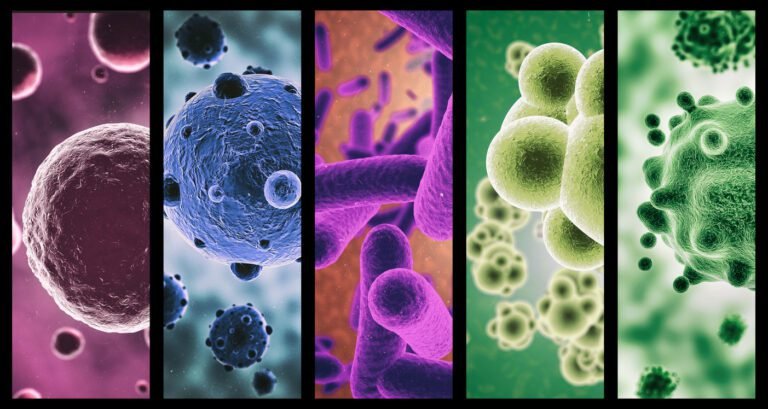
Aging alters the skin microbiome toward reduced diversity and increased dominance of opportunistic species. Chronic inflammation further destabilizes this ecosystem. Rather than causing infection, these shifts reinforce immune activation at low intensity.
As a result, microbiome-supportive strategies must prioritize immune tolerance rather than microbial elimination. Aggressive antimicrobial approaches risk exacerbating inflammaging by increasing immune vigilance.
Why Gentle Formulations Still Fail
Gentleness alone does not guarantee compatibility with inflammaging skin. Even low-irritation formulations may activate pathways that aging skin cannot resolve efficiently. Therefore, tolerance testing based on acute irritation fails to predict long-term performance in this population.
This limitation highlights the need for time-based evaluation rather than immediate response metrics. Aging skin often reveals incompatibility only after repeated exposure.
Cosmetic Limits Without Medical Framing
Importantly, inflammaging skin does not require medical intervention by default. However, it exists near the boundary where cosmetic bioactivity loses predictability. This boundary does not represent failure but rather a shift in biological expectations.
Cosmetic systems remain valuable when designed to stabilize, buffer, and support rather than aggressively correct. Recognizing this limit protects both formulators and consumers from unrealistic performance expectations.
Formulation Principles for Inflammaging Skin
Effective formulation for aging inflammatory skin prioritizes signaling moderation, lipid architecture support, and immune quieting. Instead of maximizing actives, successful systems reduce biological noise. This approach emphasizes consistency over stimulation.
Moreover, adaptive strategies outperform rigid routines. Allowing skin periods of minimal intervention supports gradual recalibration rather than forced correction.
Why Inflammaging Skin Defines the Upper Boundary of Cosmetic Efficacy
Among all skin states discussed in this series, aging skin with chronic low-grade inflammation most clearly defines the upper boundary of cosmetic efficacy. While still cosmetic in classification, its biology operates under constraints similar to medical-adjacent skin.
Understanding this boundary allows brands to communicate honestly while maintaining credibility. Rather than promising reversal, effective messaging emphasizes resilience, comfort, and stability.
Future Outlook: Aging Skin as a Distinct Formulation Category
By 2026, inflammaging skin increasingly demands recognition as a distinct formulation category. Advances in lipidomics, postbiotic signaling, and inflammation-modulating systems may improve outcomes. However, predictability will always depend on biological limits rather than ingredient novelty.
Ultimately, aging skin does not need stronger cosmetics. It requires smarter restraint, biological respect, and long-term consistency.
Key Takeaways
- Aging skin often exists in a state of chronic low-grade inflammation
- Inflammaging disrupts barrier function without obvious irritation
- Oxidative stress and immune drift reinforce inflammatory persistence
- Many cosmetic actives plateau due to signaling saturation
- Stability and moderation outperform aggressive correction strategies