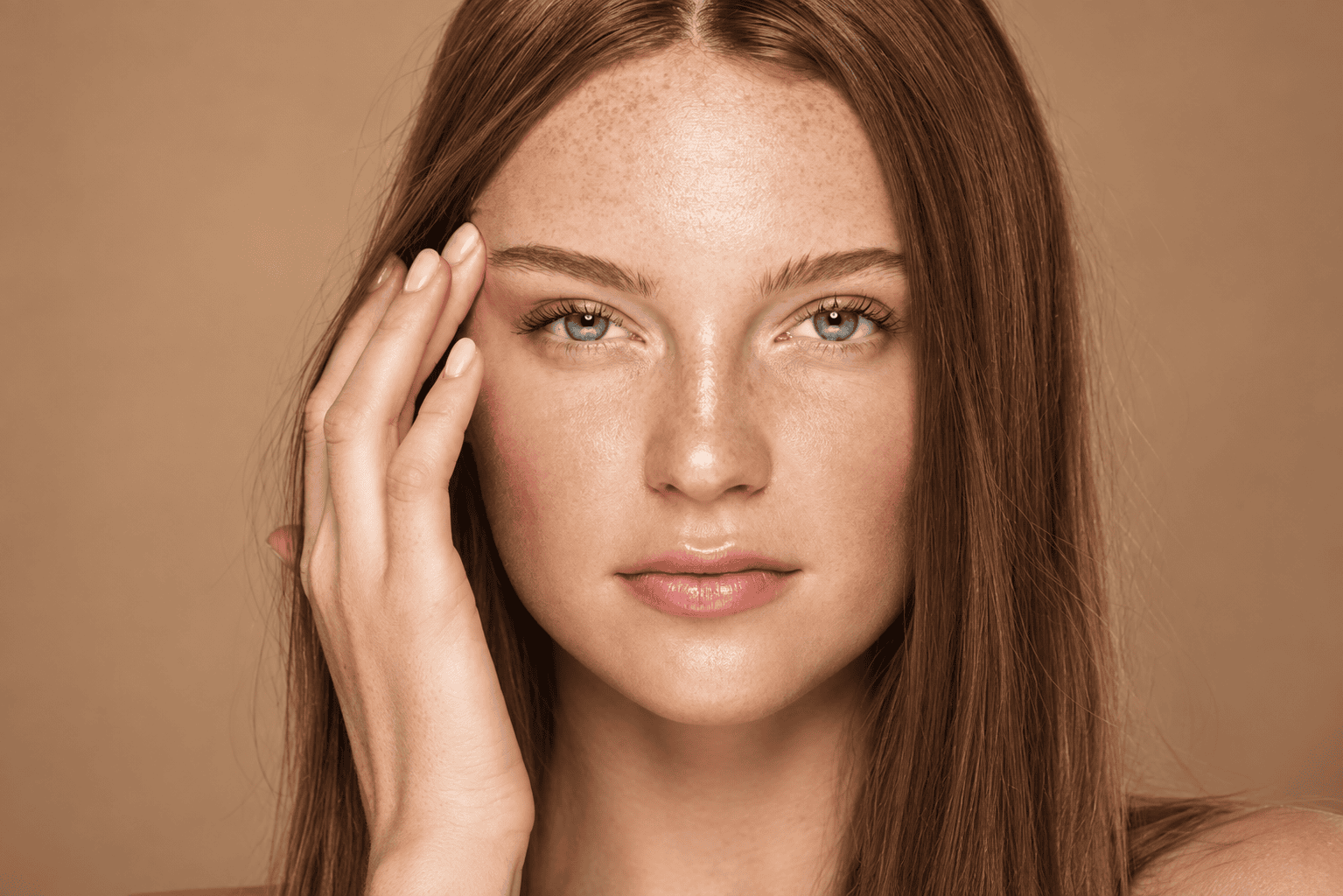
Hormones oxidative stress female skin aging are closely connected biological processes that influence skin structure, cellular repair, and long-term skin health. Oxidative stress occurs when reactive oxygen species accumulate faster than the body’s antioxidant defenses can neutralize them. Over time, these reactive molecules can damage proteins, lipids, and DNA within skin cells. As a result, oxidative stress contributes to collagen degradation, impaired skin barrier function, and visible signs of skin aging.
Hormonal signaling plays an important role in regulating antioxidant defenses within the skin. Estrogen, progesterone, and other hormones influence cellular metabolism, inflammatory responses, and the ability of skin cells to neutralize oxidative damage. When hormonal balance changes, the skin’s resistance to oxidative stress may also change.
Understanding how hormones interact with oxidative stress helps explain why skin aging often accelerates during hormonal transitions such as perimenopause and menopause. These stages involve shifts in hormonal activity that influence collagen stability, skin hydration, and the skin’s antioxidant capacity.
What Is Oxidative Stress?
Oxidative stress refers to the imbalance between reactive oxygen species and the body’s antioxidant defenses. Reactive oxygen species are unstable molecules generated during normal metabolic reactions. Although small amounts of these molecules are necessary for cellular signaling, excessive accumulation can damage biological structures.
In the skin, oxidative stress can damage collagen fibers, elastin proteins, and cell membranes. When these structures become damaged, the skin gradually loses elasticity and structural integrity. Consequently, wrinkles, uneven pigmentation, and reduced skin firmness may develop.
Environmental exposures such as ultraviolet radiation, pollution, and tobacco smoke are major sources of oxidative stress. However, internal biological processes including hormonal changes and metabolic activity also contribute to oxidative stress levels.
The Role of Hormones in Antioxidant Defense
Hormones influence antioxidant defenses by regulating cellular enzymes that neutralize reactive oxygen species. Estrogen, in particular, has been shown to enhance the activity of antioxidant enzymes such as superoxide dismutase and glutathione peroxidase.
These enzymes help protect skin cells from oxidative damage by converting reactive molecules into less harmful substances. As a result, balanced estrogen levels contribute to improved cellular protection against environmental stress.
When estrogen levels decline, antioxidant activity may decrease. Consequently, skin cells may become more vulnerable to oxidative damage.
Oxidative Stress and Collagen Breakdown
Collagen is one of the primary structural proteins affected by oxidative stress. Reactive oxygen species can stimulate enzymes known as matrix metalloproteinases, which degrade collagen fibers in the dermis.
As collagen fibers become fragmented, the extracellular matrix loses structural stability. This process contributes to the development of wrinkles and loss of skin elasticity. Over time, cumulative oxidative damage accelerates visible skin aging.
Hormonal changes that reduce antioxidant defenses may therefore increase the rate of collagen degradation.
Hormonal Transitions and Oxidative Skin Aging
Puberty
During puberty, increased androgen activity stimulates sebaceous gland function and influences inflammatory responses in the skin. While oxidative stress is generally lower in younger individuals, acne-related inflammation may increase local oxidative activity.
Reproductive Years
During reproductive years, estrogen helps maintain antioxidant defenses within the skin. This hormonal support contributes to stronger collagen structure and improved skin hydration.
Perimenopause
Perimenopause introduces hormonal fluctuations that may influence oxidative balance. Declining estrogen signaling may reduce the efficiency of antioxidant systems, increasing susceptibility to oxidative damage.
Menopause
Following menopause, estrogen levels decline more significantly. Reduced antioxidant activity combined with slower collagen production may accelerate visible skin aging.
Environmental Sources of Oxidative Stress
Environmental exposures contribute significantly to oxidative stress in the skin. Ultraviolet radiation from sunlight generates large quantities of reactive oxygen species within skin cells. These molecules damage collagen fibers and alter pigment production.
Air pollution is another major source of oxidative stress. Pollutant particles can penetrate the skin barrier and trigger inflammatory responses that increase oxidative damage.
Long-term exposure to environmental stressors may therefore amplify hormonal influences on skin aging.
The Skin Barrier and Oxidative Damage
Oxidative stress can weaken the skin barrier by damaging lipids and structural proteins within the stratum corneum. When barrier integrity declines, moisture loss increases and the skin becomes more vulnerable to environmental irritants.
Hormonal changes may further influence barrier function by altering lipid production and inflammatory responses. Consequently, oxidative stress and hormonal fluctuations together can compromise skin resilience.
Nutrition and Antioxidant Protection
Nutrition plays an important role in supporting the body’s antioxidant defenses. Several nutrients help neutralize reactive oxygen species and protect skin cells from oxidative damage.
Vitamin C
Vitamin C functions as a powerful antioxidant and supports collagen synthesis. It helps protect skin cells from oxidative damage while stabilizing collagen molecules within the dermis.
Vitamin E
Vitamin E protects cell membranes from oxidative damage by neutralizing free radicals. It also supports skin barrier integrity.
Polyphenols
Polyphenols found in fruits, vegetables, and plant extracts possess strong antioxidant properties. These compounds help reduce oxidative stress and support skin resilience.
Implications for Skin Aging Research
The relationship between hormones, oxidative stress, and female skin aging highlights the importance of integrated approaches to skin health. Dermatological research increasingly focuses on antioxidant protection, collagen stabilization, and hormonal influences on cellular metabolism.
Skincare formulations often incorporate antioxidant ingredients designed to protect skin cells from environmental damage. Meanwhile, nutritional strategies that support antioxidant defenses may complement topical skincare approaches.
Conclusion
Hormones oxidative stress female skin aging are interconnected biological processes that influence the structure and health of the skin. Hormonal changes affect antioxidant defenses, collagen stability, and cellular repair mechanisms. As oxidative damage accumulates, structural changes in the skin become more visible.
By supporting antioxidant protection, maintaining balanced nutrition, and protecting the skin from environmental stressors, it may be possible to slow the biological processes associated with skin aging.