Hydroquinone

Hydroquinone is a phenolic compound with strong antioxidant and reducing properties. It stabilizes oxidation-sensitive systems, including hair dyes, nail adhesives, and other formulations prone to polymerization or degradation. It donates electrons to reactive species, reduces quinones, and prevents oxidation. Historically used as a skin-lightening agent, Hydroquinone now serves primarily to maintain product stability and extend shelf life.

INCI name

Hydroquinone
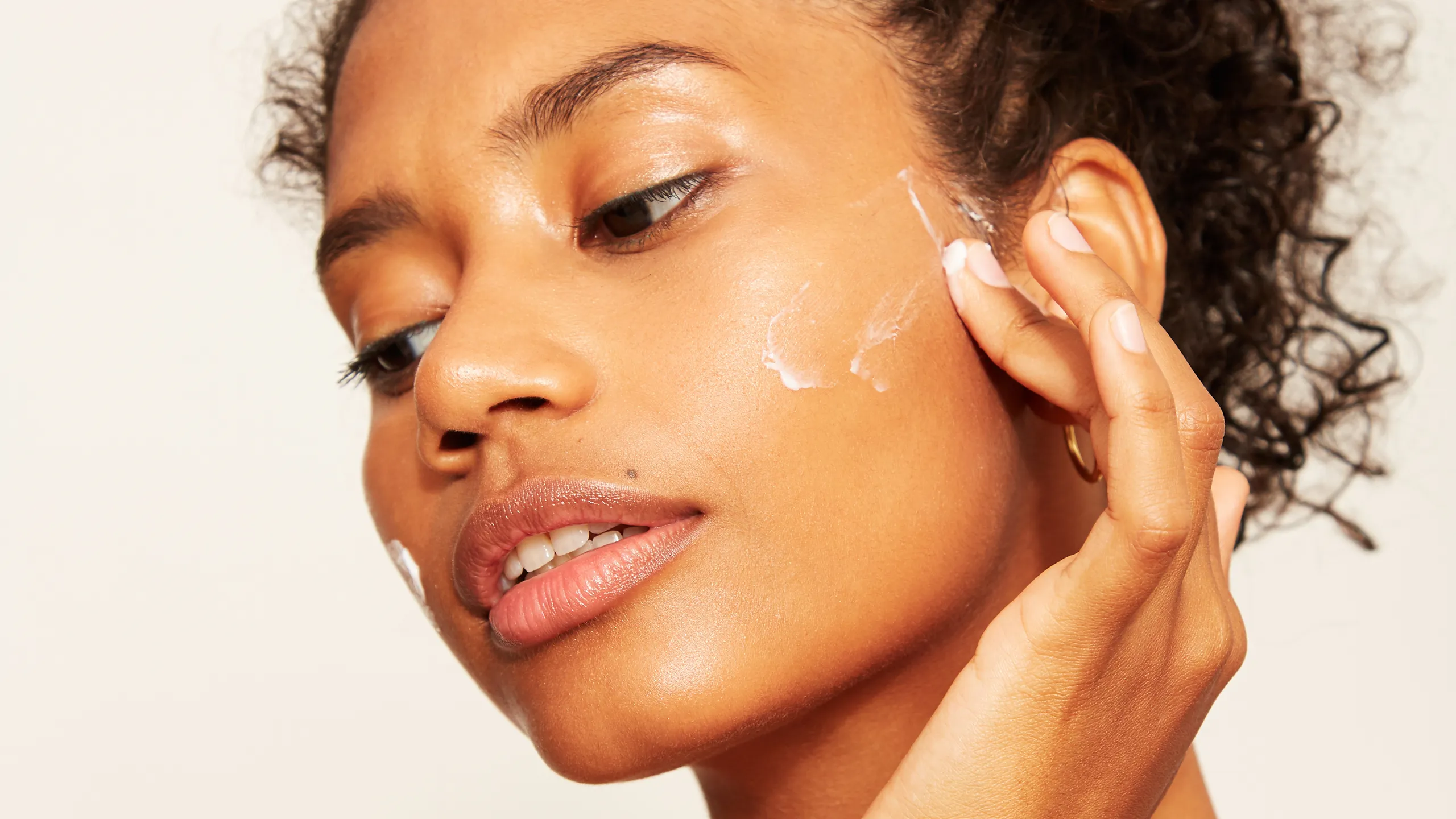
Woman applying hydroquinone cream for skin brightening

Benefits & Applications

Physical form at 25°C

  • Powder

Functions

  • Antioxidant / reducing agent
  • Polymerization inhibitor / stabilizer (nail & acrylate systems)
  • Electron donor → inhibits oxidation and melanin

Category

  • Specialty Cosmetic Active
  • Functional Chemical

Applications

  • Hair dyes
  • Nail products / adhesives
  • Rinse-off cosmetics
  • Medical skin-lightening

Regional availability

  • Asia
  • Europe
  • Latin America
  • N America

Consumer benefit

  • Improves stability & shelf-life
  • Controls polymerization
  • Ensures uniform color
  • Reduces degradation/discoloration

Related Products

SCH Blend Well-Age multifunctional skin performance system for brightening hydration elasticity and wrinkle reduction

SCH Blend™ Well Age

Prepared blend of multifunctional actives for comprehensive skin rejuvenation. This advanced blend combines clarifying, hydrating, anti-inflammatory, antioxidant, and brightening ingredients to deliver a broad range of skin benefits. It smoothes

learn more
ConnAPIC functional skincare active with anti-inflammatory and postbiotic properties

CONNAPIC

A patented active derived from Connarus semidecandrus, a medicinal plant traditionally used across Southeast Asia. It offers strong anti-inflammatory, anti-allergy, and anti-atopic properties. Proven in vitro to reduce β-hexosaminidase (allergy),

learn more
Mediterranean Whitening Brightening Natural Whitening Active

Mediterranean Whitening

Mediterranean Whitening works by targeting the key enzyme involved in melanin production—tyrosinase. During melanogenesis, melanocytes naturally generate hydrogen peroxide, which can trigger oxidative stress and lead to the formation of

learn more