

Today’s skincare brands are moving away from traditional preservatives, not only due to regulatory changes but also because consumers increasingly demand transparency and gentleness. This has created a strong shift toward natural antimicrobial systems—innovative preservation approaches that are safe, effective, and rooted in nature. These systems often combine fermented filtrates, organic acids, and multifunctional ingredients that go beyond mere preservation.
Why Natural Preservation is Rising
Traditional synthetic preservatives such as parabens or formaldehyde releasers have faced growing scrutiny. While they remain effective and legal in many regions, many consumers prefer gentler alternatives. Moreover, clean beauty standards, microbiome-safe formulation trends, and allergen concerns continue to push the industry toward more biocompatible solutions.
As a result, formulators now rely on multifunctional components and synergistic blends that not only inhibit microbial growth but also support skin health. The combination of efficacy, safety, and added skin benefits makes natural preservation a compelling solution.
Fermented Filtrates: Skin-Compatible Bioactives
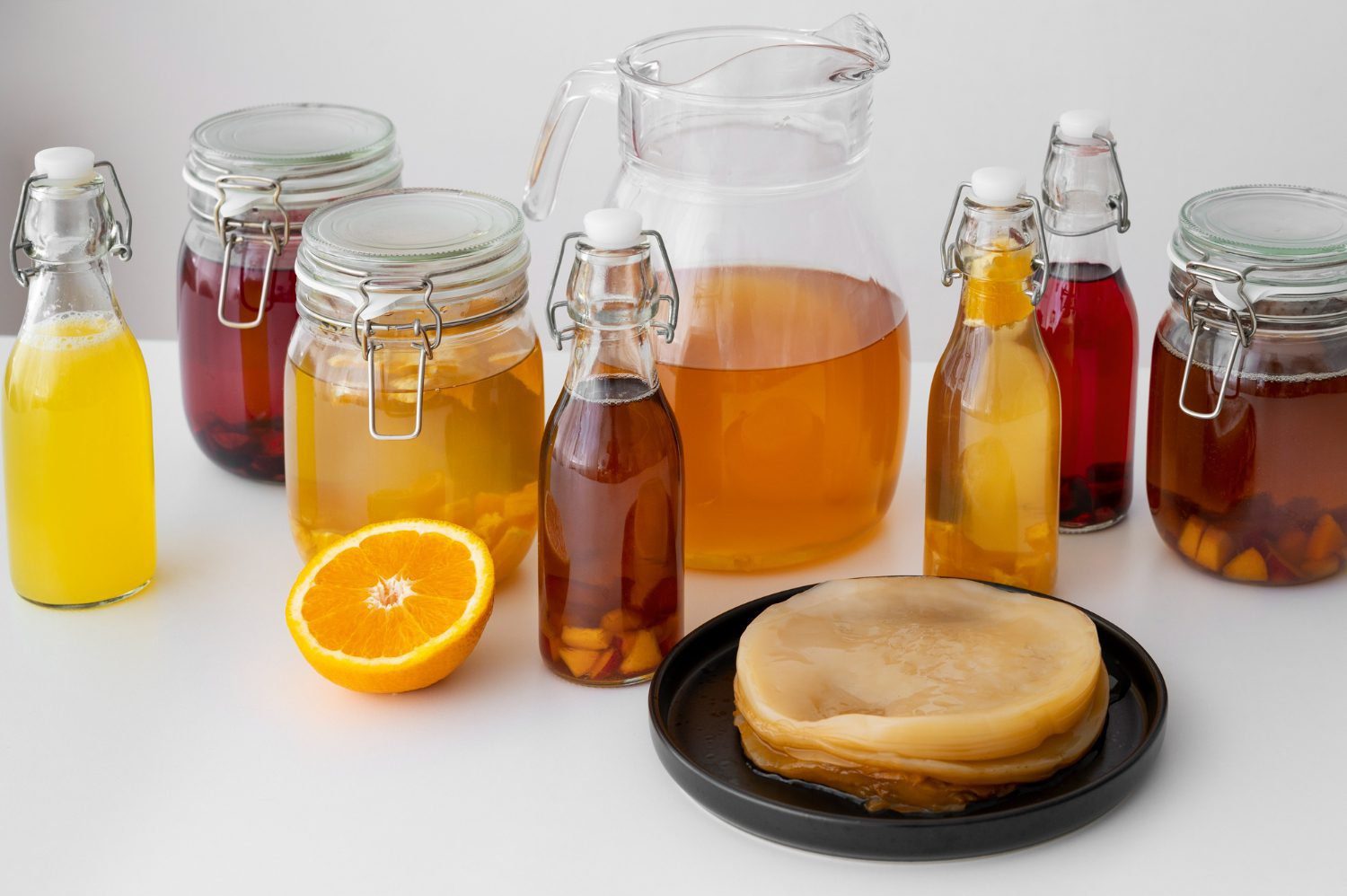
One of the most promising areas in this space involves fermentation-based ingredients. These include lysates, filtrates, and postbiotics derived from probiotic bacteria such as Lactobacillus, Bifida, or Leuconostoc. Through fermentation, these organisms produce lactic acid, antimicrobial peptides, and low pH environments—all of which help inhibit spoilage microorganisms.
Beyond preservation, fermented filtrates also offer soothing, barrier-repair, and anti-inflammatory benefits. Therefore, they support modern microbiome-friendly formulations. For instance, Leuconostoc/Radish Root Ferment Filtrate is widely used due to its gentle yet effective activity against common cosmetic contaminants.
Organic Acids and Their Derivatives
Natural organic acids are also central to antimicrobial strategy. Ingredients such as levulinic acid, caprylic acid, benzoic acid, and sorbic acid—and their corresponding salts—are broadly accepted in global regulations. These acids primarily function by disrupting microbial membranes and lowering the pH to levels unsuitable for microbial growth.
In addition, combining these acids with glyceryl esters (e.g., glyceryl caprylate) enhances their solubility and efficacy across different formulation types. These combinations offer a broad-spectrum solution, particularly in emulsions and micellar systems.
Multifunctionals: Preservative-Boosting Ingredients
Multifunctionals provide dual or even triple functionality: preservation, skin conditioning, and formulation texture improvements. Common examples include:
- Caprylyl glycol – a humectant and skin-softening agent with mild antimicrobial effects.
- Ethylhexylglycerin – often used as a booster with organic acids, while also improving skin feel.
- 1,2-Hexanediol – a wetting agent that improves microbial resistance and enhances penetration of actives.
Since these ingredients are not officially classified as preservatives in many regulatory systems, they support “preservative-free” or “low preservative” label claims. However, they are best used in synergistic combinations with other natural agents.
Formulation Techniques for Success
To maximize the performance of natural antimicrobial systems, formulators often adopt additional techniques. For instance, controlling water activity (aw) through humectants and osmolytes helps inhibit microbial growth. Similarly, formulating at a slightly acidic pH (4.5–5.5) enhances the effectiveness of most organic acids.
It’s also important to select packaging that minimizes contamination risk—such as airless dispensers or tubes. While the preservative system must always pass challenge testing (per ISO 11930), these physical barriers further reduce microbial exposure and prolong shelf life.
Challenges and Limitations
Despite their many benefits, natural systems are not without challenges. They may be pH-sensitive, require higher usage levels, or show narrower antimicrobial spectrums compared to traditional biocides. Consequently, rigorous testing and proper preservation efficacy screening are necessary for every formula, especially when targeting global distribution.
In addition, regulatory labeling can be unclear. For instance, even though multifunctionals are not listed in preservative annexes, their antimicrobial role may need to be disclosed under certain market guidelines. Brands must work closely with regulatory experts to ensure compliance while still leveraging “free-from” or “mild formula” claims.
Microbiome-Friendly and Eco-Conscious Appeal
Interestingly, many natural preservation systems align well with microbiome-respectful formulation strategies. Unlike harsh biocides that indiscriminately kill microbes, these gentle systems preserve skin-friendly bacteria while targeting only spoilage organisms. As a result, they support healthier skin function over time.
Additionally, many of these materials are biodegradable and have a lower environmental impact, which makes them ideal for brands that prioritize green chemistry or waterless formats.
Conclusion: Future-Ready Preservation for Clean Beauty
Natural antimicrobial systems are no longer niche—they’re now foundational to modern skincare. By intelligently blending fermented ingredients, organic acids, and multifunctional boosters, formulators can meet consumer expectations for clean, safe, and effective products. While technical diligence is still required, these systems represent a powerful, flexible, and forward-looking approach to preservation in 2025 and beyond.


