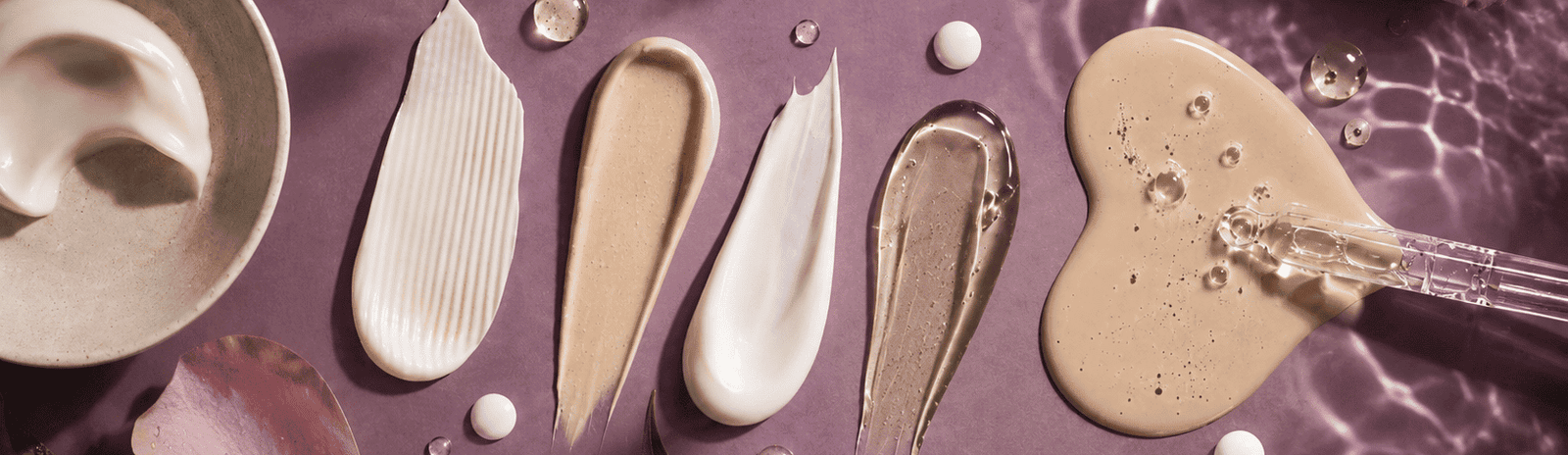


Temperature-triggered smart encapsulation is an emerging technology in cosmetic science that responds to changes in skin temperature or environmental heat. By releasing active ingredients under controlled thermal conditions, these systems help protect sensitive actives, improve formulation stability, and enhance the overall sensory experience. As interest in intelligent delivery technologies continues to grow, temperature-responsive encapsulation is becoming an important area of innovation for next-generation dermocosmetic and biotech-based skincare.
Overview of the Topic
Temperature-sensitive delivery systems function by responding to heat variations on the skin or within the environment. Because the skin experiences temperature shifts throughout the day during exercise, stress, outdoor exposure, and even normal circulation changes these variations create opportunities for intelligent ingredient release. Temperature-triggered encapsulation takes advantage of this biological rhythm by opening or swelling only when the required temperature condition is met. As a result, active ingredients such as antioxidants, peptides, soothing agents, botanical extracts, and hydration complexes are released with greater accuracy. This creates a more responsive delivery system that adapts to temperature changes occurring during normal daily skin activity, helping maintain ingredient performance throughout application.
Scientific Context and Background Insights
Temperature-responsive encapsulation technologies typically use thermosensitive polymers, lipid systems, or hybrid nanocarriers that undergo structural changes when exposed to specific heat thresholds. These materials may contract or expand, altering permeability and allowing actives to diffuse precisely when activated. Because skin surface temperature typically ranges from approximately 30°C to 35°C, localized increases caused by exercise, massage, warm environments, or increased microcirculation may help activate temperature-responsive delivery systems.
For example, mild heat from facial massage, warm environments, or enhanced microcirculation can trigger capsules to open slightly, enabling deeper penetration of ingredients. Additionally, these systems help maintain actives in a stabilized state until they encounter optimal conditions on the skin.
Temperature-triggered encapsulation is particularly beneficial for actives that degrade quickly or become unstable when exposed to oxygen, light, or fluctuating storage conditions. By shielding the active within a protective matrix, smart encapsulation prevents premature oxidation or hydrolysis. Consequently, the active remains potent for longer periods. This enhanced stability supports product longevity and ensures more consistent results for consumers. Furthermore, temperature-triggered release allows formulators to develop complex multi-active systems where each ingredient is delivered at the exact moment of maximum effectiveness.
The Functional Mechanism Behind the Technology
Temperature-responsive encapsulation systems typically rely on phase transitions within polymers or lipid-based carriers. When exposed to mild heat, the structural bonds become more flexible, allowing active ingredients to escape gradually. This transition may occur through swelling, melting, softening, or permeability shifts within the encapsulation shell. Because these changes are reversible or controlled, the release profile becomes predictable and consistent. As a result, ingredients are not prematurely exposed to destabilizing conditions during formulation or storage.
Additionally, temperature-triggered systems can provide more controlled release of active ingredients as skin temperature changes during normal daily activities. This controlled release may improve ingredient availability at the skin surface while helping maintain stability and reducing premature degradation. This synergistic behavior creates a delivery profile that mirrors the skin’s dynamic nature.
Formulation Practice and Professional Considerations
Integrating temperature-responsive encapsulation into formulations requires thoughtful optimization. Because these systems are sensitive to heat, formulators must maintain controlled temperatures during emulsification, filling, and packaging. Consequently, cold-processing or low-temperature emulsification techniques often become necessary. Furthermore, selecting compatible emulsifiers, stabilizers, and polymers ensures that the encapsulation matrix retains its integrity throughout shelf life.
Another important consideration involves sensorial behavior. Temperature-triggered encapsulation can provide unique sensory effects such as warming, cooling, or melting sensations depending on the carrier type. These sensorial cues enhance consumer engagement and create memorable product experiences. As a result, temperature-responsive technologies are becoming increasingly popular in premium creams, serums, masks, and hybrid treatment products.
Regulatory Landscape and Emerging Requirements
As with all encapsulation technologies, regulatory compliance depends on the composition of the carrier material. Because microplastic restrictions continue to expand globally, temperature-triggered encapsulation systems increasingly rely on biodegradable polymers, plant-derived matrices, or lipid nanoparticles. Many new carriers are engineered to break down safely without leaving persistent environmental residues. Additionally, temperature-controlled delivery can reduce the concentration of preservatives and stabilizers required for formula integrity, which aligns with clean-beauty expectations and transparent ingredient principles.
Moreover, intelligent delivery systems support claims around precision, stability, extended performance, and reduced irritation. These claims align with emerging regulations emphasizing safety, scientific validation, and accurate efficacy reporting. Consequently, temperature-triggered encapsulation offers a strong regulatory advantage by enhancing functional reliability while minimizing exposure to unstable or reactive actives.
Market Direction and Industry Evolution
The movement toward adaptive skincare and responsive technologies is accelerating. As consumers demand smarter systems that adjust to their personal environment, temperature-triggered encapsulation fits directly into emerging trends such as personalized skincare, bioadaptive formulations, and longevity-focused routines. These systems create a deeper connection between product behavior and skin biology, strengthening the perceived value of advanced formulations.
Additionally, the rise of hybrid skincare categories—such as active moisturizers, targeted serums, nighttime repair creams, and multi-functional treatments—has created significant demand for delivery systems that maintain stability while releasing ingredients at optimized moments. Temperature-triggered encapsulation meets this demand by enhancing both performance and emotional engagement through its responsive behavior. As a result, brands that adopt temperature-responsive systems gain a competitive advantage in narrative, science positioning, and consumer loyalty.
Application Pathways and Formulation Opportunities
Temperature-triggered encapsulation can be used in a wide range of cosmetic categories, including rejuvenating serums, peptide treatments, hydrating gels, brightening creams, sleep masks, exfoliating formulas, and barrier-supportive moisturizers. Because release depends on temperature fluctuations, these systems are particularly well suited for evening routines, thermal masks, massage treatments, and post-sun recovery products. Pairing temperature-triggered encapsulation with hyaluronic acid, ceramides, marine extracts, antioxidant complexes, or PDRN-inspired repair systems enables the development of sophisticated multi-functional formulations.
In practical formulation, temperature-responsive encapsulation is especially valuable for sensitive ingredients such as retinol, coenzyme Q10 (CoQ10), vitamin E, peptides, botanical oils, and antioxidant complexes. By protecting these actives until application, formulators can improve stability, extend shelf life, reduce premature degradation, and create advanced multi-active products with enhanced performance.
Temperature-triggered systems also enable innovation in sensory-driven products.As the encapsulation system responds to changes in temperature, consumers may experience subtle warming, melting, or textural transformations that enhance the perception of efficacy. These effects can be achieved without relying on irritating ingredients, helping create gentle yet engaging product experiences.
Comparison Overview
The comparison below highlights key differences between traditional release systems and temperature-responsive encapsulation. This provides an analytical perspective for chemists, formulators, and R&D teams evaluating advanced delivery technologies.
| Criteria | Traditional Delivery | Thermal Encapsulation |
|---|---|---|
| Stability | Actives may degrade when exposed to heat, light, or oxygen. | Protects sensitive actives until controlled thermal activation. |
| Bioavailability | Active release may occur too early. | Controlled release may improve ingredient availability during application. |
| Irritation Potential | Immediate release can increase irritation. | Gradual release may improve skin comfort. |
| Compatibility | Reactive ingredients may interact. | Encapsulation improves compatibility in multi-active formulations. |
| Sustainability | Often relies on conventional carriers. | Modern systems increasingly use biodegradable encapsulation materials. |
| Sensory Experience | Limited sensory innovation. | Can provide warming, melting, or adaptive sensory effects. |
Forward-Looking Perspective
Temperature-triggered encapsulation represents a pivotal shift toward smarter, more intuitive skincare technologies. As delivery systems evolve, these intelligent carriers will increasingly mimic the skin’s natural rhythms and respond to real-time environmental cues. Consequently, formulators can design personalized, adaptive, and performance-driven products that align with the growing sophistication of the global beauty consumer. Ultimately, temperature-triggered encapsulation stands at the intersection of biotechnology and emotional skincare, providing both scientific reliability and memorable sensory engagement.