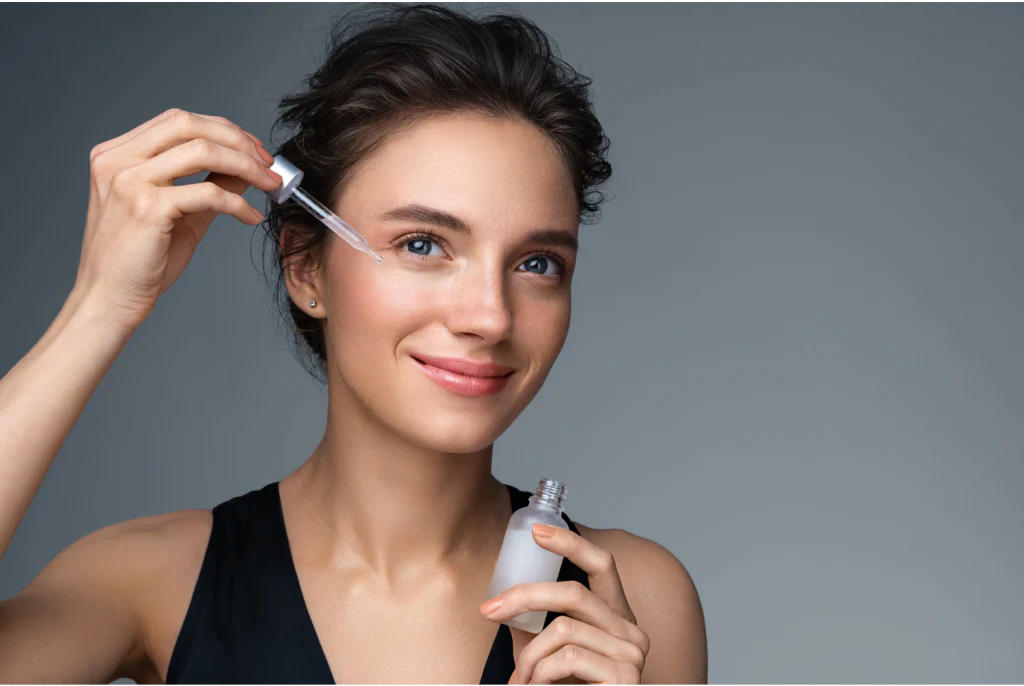

Skincare personalization is entering a new phase in which emotional state, neural activity, and skin physiology are no longer treated as separate domains. Instead, advances in wearable neurotechnology now allow real-time monitoring of brain signals, opening the door to skincare routines that adapt dynamically to mental and emotional states. Consequently, smart wearable EEG systems are beginning to reshape how neurocosmetics and smart skincare technologies are conceived.
Unlike traditional skincare diagnostics that rely on visual assessment or static biomarkers, EEG-based wearables provide continuous insight into brain activity associated with stress, relaxation, focus, and fatigue. Therefore, when integrated with skincare logic, these neural signals can guide product selection, timing, and delivery in ways previously unattainable. As a result, skincare becomes a responsive system rather than a fixed routine.
This convergence of EEG wearables and skincare marks a critical step toward closed-loop neurocosmetic ecosystems, where neural feedback informs skin treatment in real time.
Understanding Wearable EEG Technology
Electroencephalography (EEG) measures electrical activity generated by neuronal firing in the brain. Historically, EEG required bulky clinical equipment. However, recent advances in dry electrodes, flexible materials, and signal processing have enabled lightweight, wearable EEG devices suitable for daily use.
These wearables can detect changes in brainwave patterns such as alpha, beta, theta, and gamma activity. Importantly, these patterns correlate with emotional states including stress, calmness, alertness, and mental fatigue. Consequently, EEG wearables provide a non-invasive window into the user’s neurological state throughout the day.
From Raw Signals to Meaningful Insights
Raw EEG data alone is complex and noisy. Therefore, modern systems rely heavily on AI and machine learning algorithms to interpret neural signals. By applying pattern recognition and deep learning models, EEG platforms translate electrical activity into actionable metrics such as stress index, relaxation score, or cognitive load.
As a result, these interpreted signals can be used as inputs for personalized skincare decision-making, especially within neurocosmetic frameworks.
The Brain–Skin Connection in Real Time
The brain and skin are linked through the hypothalamic–pituitary–adrenal (HPA) axis, autonomic nervous system, and neuroimmune signaling pathways. When stress levels rise, cortisol and inflammatory mediators increase, often leading to barrier disruption, increased sensitivity, and delayed repair. Therefore, real-time detection of stress through EEG can serve as an early warning system for impending skin imbalance.
Moreover, emotional states influence behaviors such as touching, scratching, and cleansing frequency, which further affect skin condition. Consequently, EEG-informed skincare systems can intervene before visible symptoms appear.
Neural States That Matter for Skincare
- High beta activity: Associated with stress and anxiety; often correlates with sensitivity and inflammation.
- Alpha dominance: Linked to relaxation and recovery; supports barrier repair and tolerance.
- Theta patterns: Indicate fatigue or emotional processing; may align with impaired skin renewal.
By tracking these states, skincare systems can adapt proactively rather than reactively.
Closed-Loop Skincare Systems
Closed-loop systems use continuous feedback to adjust outputs in real time. In skincare, this means using EEG data to modify product type, application timing, or device intensity. Therefore, instead of applying the same routine daily, the system responds to the user’s current neurophysiological state.
For example, elevated stress detected in the morning may trigger recommendations for calming neurocosmetic formulations, barrier-supportive products, or reduced exfoliation. Conversely, relaxed neural states might support more active treatments. As a result, skincare becomes synchronized with mental and emotional rhythms.
Integration With Smart Skincare Devices
EEG data can also inform the use of bioelectric skincare devices such as microcurrent, LED therapy, or sonic cleansing. When neural stress is high, device intensity can be lowered to avoid overstimulation. Meanwhile, during relaxed states, stimulation may be optimized for repair and regeneration.
Implications for Neurocosmetic Formulation
EEG-informed skincare requires formulations that respond predictably to timing and context. Therefore, neurocosmetic products must be designed with clear functional roles—calming, energizing, barrier-repairing, or restorative. Additionally, delivery systems may need to support rapid onset or sustained release depending on neural input.
Furthermore, ingredient selection increasingly considers neuroactive compatibility. Compounds that modulate TRP channels, cannabinoid receptors, or neuropeptide signaling may be prioritized when EEG indicates heightened sensitivity or stress.
Validation and Clinical Research
Validating EEG-integrated skincare systems requires multidisciplinary testing. Therefore, clinical studies increasingly combine EEG data with skin biomarkers such as TEWL, redness, cytokine expression, and subjective comfort scores.
Moreover, longitudinal studies allow researchers to assess whether EEG-guided routines improve long-term skin resilience compared to static regimens. As a result, claims can be substantiated with both neurological and dermatological evidence.
Ethical and Privacy Considerations
Because EEG data reflects sensitive neurological information, ethical data handling is essential. Therefore, systems must prioritize user consent, data anonymization, and secure processing. Additionally, transparency regarding how neural data influences skincare recommendations is critical for consumer trust.
Importantly, EEG-informed skincare should empower users rather than pathologize normal emotional variation.
Market Outlook and Future Potential
The convergence of wearable EEG and skincare aligns with broader trends in digital health, wellness technology, and personalized beauty. As devices become more comfortable and algorithms more refined, adoption is expected to accelerate.
Looking forward, EEG data may integrate with other biosignals such as electrodermal activity, heart-rate variability, and skin temperature. Consequently, future neurocosmetic platforms could operate as holistic wellness systems rather than isolated skincare tools.
Conclusion
Smart wearable EEG technology represents a transformative opportunity for neurocosmetics and skincare personalization. By translating real-time brain activity into actionable skincare insights, EEG-enabled systems bridge emotional wellness and skin health with unprecedented precision.
Ultimately, this approach reframes skincare as a responsive, neuro-aware practice—one that adapts continuously to the user’s mental and emotional state.
Research References
- https://pubmed.ncbi.nlm.nih.gov/31421769/
- https://pubmed.ncbi.nlm.nih.gov/32794435/
- https://pubmed.ncbi.nlm.nih.gov/35056658/
- https://pubmed.ncbi.nlm.nih.gov/29998788/
- https://www.nature.com/articles/s41598-020-79807-0
- https://ieeexplore.ieee.org/document/9440601
- https://pubmed.ncbi.nlm.nih.gov/32794435/