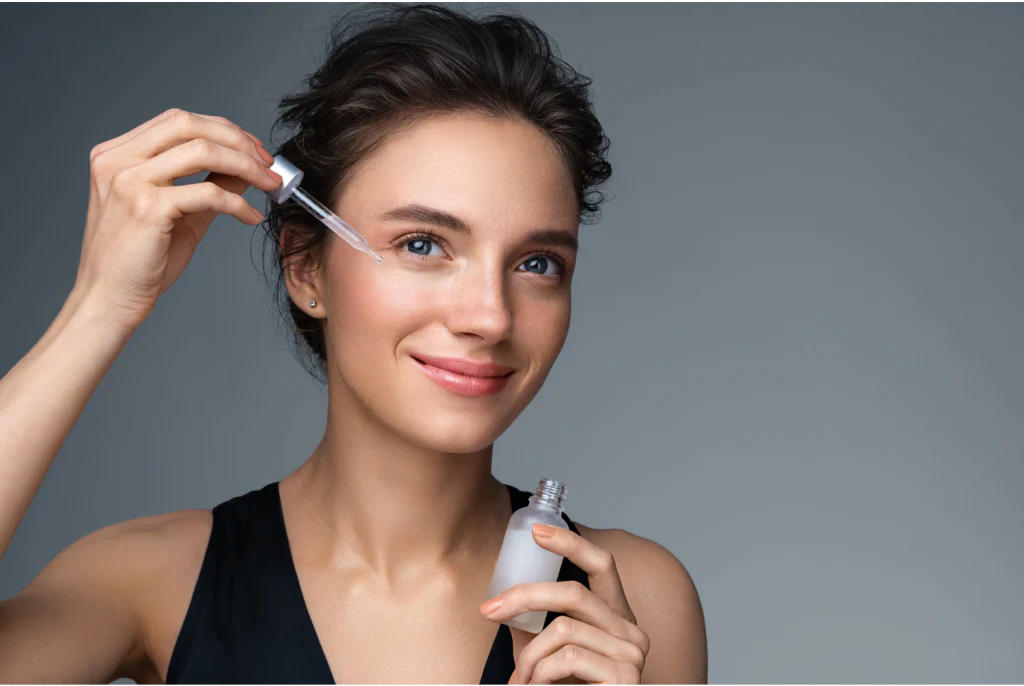
pH-responsive encapsulation is transforming modern skincare because it releases active ingredients only when exposed to specific pH environments. Since the skin’s surface naturally varies in acidity—from slightly acidic barrier zones to more neutral microenvironments—pH-triggered systems allow for exceptionally targeted delivery. Consequently, actives remain stable during storage and formulation but activate precisely when and where the skin’s pH conditions permit, creating controlled, efficient, and irritation-free performance.
Overview of the Topic
pH-responsive encapsulation uses polymers, lipids, or hybrid matrices that dissolve or become permeable when encountering certain pH values. The skin’s acid mantle, typically between pH 4.5 and 5.5, provides a natural trigger for selective release. Additionally, certain skin concerns—such as inflammation, barrier disruption, excessive sebum, or environmental stress—cause localized pH shifts. Because of this, pH-responsive systems can deliver ingredients exactly where biochemical imbalance occurs, supporting a more precise and personalized skincare experience.
Scientific Context and Background Insights
The concept of pH-triggered release originates from pharmaceutical drug delivery, where pH-sensitive coatings protect tablets from dissolving in acidic environments. Cosmetic scientists adapted this principle to microencapsulation by designing shells that remain intact under neutral or alkaline conditions but begin dissolving in acidic ranges—or vice versa, depending on formulation goals.
These systems take advantage of:
- polyacids that ionize and swell in alkaline conditions,
- polybases that dissolve in acidic environments,
- ester-containing polymers that break down faster at lower pH,
- lipid matrices structured to soften under mildly acidic conditions.
Because the skin’s surface is mildly acidic, pH-responsive systems can release actives immediately upon contact—or selectively deeper, depending on capsule design. As a result, pH-triggered systems enable highly customizable delivery strategies for exfoliants, peptides, antioxidants, botanical extracts, and barrier-restoring ingredients.
The Functional Mechanism Behind the Technology
When a pH-responsive capsule encounters a specific pH range, its shell undergoes structural or chemical changes. These may include swelling, ionization, hydrolysis, solubilization, or increased permeability. This shift allows the active ingredient to escape the capsule in a controlled and predictable manner.
Two major design strategies define pH-responsive systems:
- Acid-triggered release: Capsules dissolve when exposed to acidic skin zones (pH 4–5.5), ideal for antioxidants, exfoliants, and brightening actives.
- Alkaline-triggered release: Capsules activate in more neutral or alkaline environments (pH 6–7+), useful for rinse-off systems or targeted scalp treatments.
Because the trigger mechanism is chemical rather than mechanical or temperature-based, release is highly consistent across different skin types and climates. Consequently, pH-responsive encapsulation delivers predictable, repeatable performance.
Formulation Practice and Professional Considerations
Formulating with pH-sensitive systems requires careful calibration of both the capsule and the bulk formula. Since the capsule must remain stable during manufacturing, the surrounding formulation cannot share the same pH as the intended release trigger. As a result, chemists often incorporate capsules at late stages or design stabilizing buffers to prevent premature activation.
Key considerations include:
- Matching polymer solubility to the desired pH trigger.
- Ensuring that emulsifier systems do not disrupt capsule integrity.
- Maintaining low shear during mixing to protect encapsulated cores.
- Controlling water activity and ionic strength to prevent early swelling.
With proper design, pH-responsive systems extend shelf life, protect actives from degradation, and support complex multi-active formulations that would otherwise be unstable.
Regulatory Landscape and Emerging Requirements
As cosmetic regulatory bodies focus increasingly on microplastics, environmental persistence, and ingredient safety, pH-responsive encapsulation aligns well with industry demands. Modern systems use biodegradable materials such as polysaccharides, amino acid–based polymers, and plant-derived lipids that break down safely after activation. Consequently, they comply with emerging EU and global sustainability frameworks.
Furthermore, pH-triggered release supports regulatory-friendly claims such as:
- controlled release,
- deep absorption,
- enhanced stability,
- improved tolerance for strong actives.
These claims are supported through measurable lab tests, including release profiles across pH gradients, stabilitometry, and accelerated aging studies.
Market Direction and Industry Evolution
As skincare consumers increasingly demand precision, safety, and high-performance actives, pH-responsive encapsulation provides a robust scientific foundation. It ensures that potent molecules remain protected until application while delivering sustained results without irritation. This dual benefit appeals strongly to dermocosmetic brands, clinical lines, and consumer products focused on barrier health and long-term performance.
Additionally, the technology fits seamlessly into clean beauty narratives because it uses biodegradable materials and avoids harsh triggers. As a result, pH-responsive encapsulation is positioned at the center of the next wave of targeted, gentle, and efficient skincare systems.
Application Pathways and Formulation Opportunities
pH-responsive encapsulation offers unparalleled versatility across skincare and haircare applications:
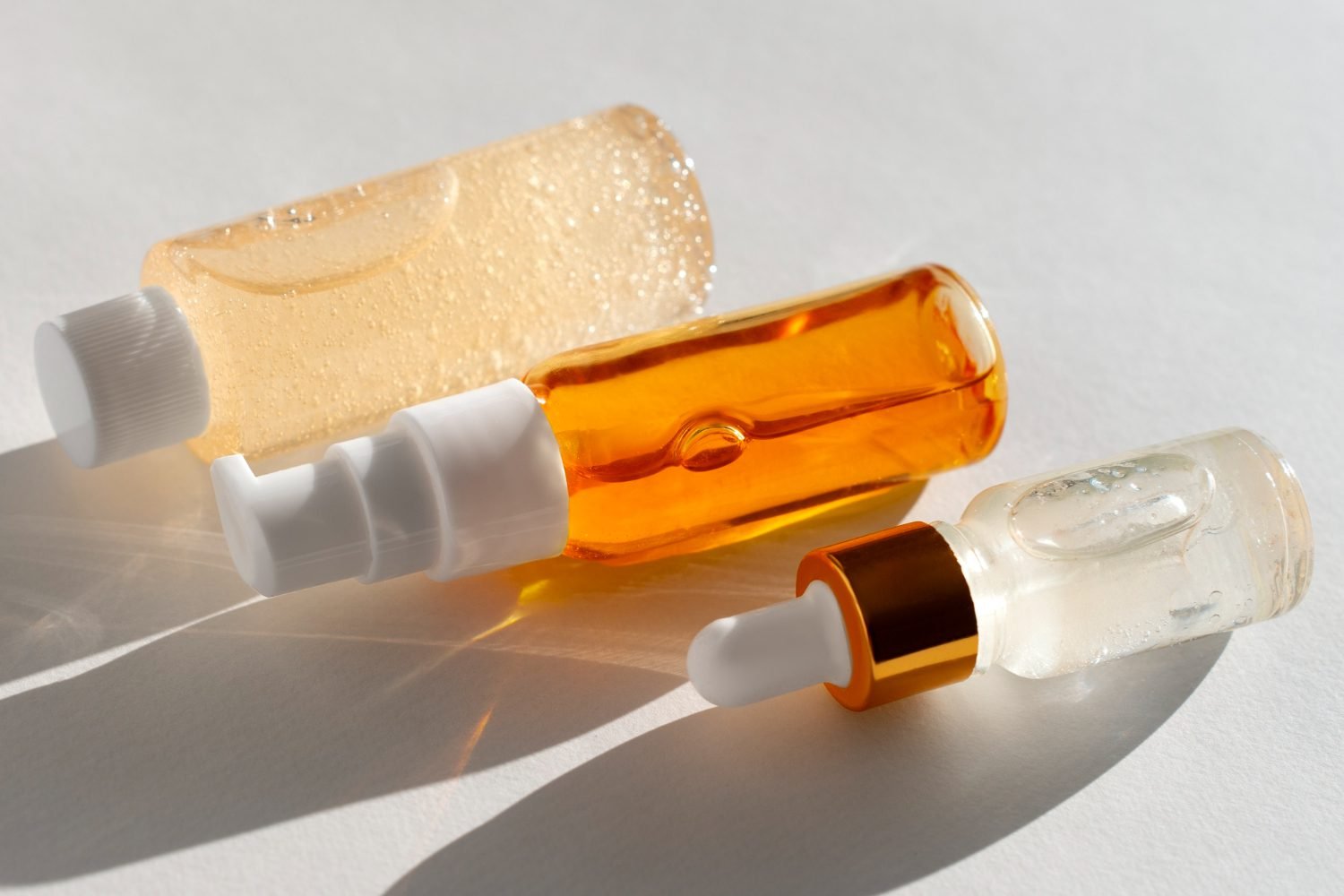
- Serums activated upon contact with acidic skin
- Cleansers and masks triggered by alkaline water or rinse conditions
- Scalp and follicle treatments responding to localized pH differences
- Barrier repair systems releasing ingredients only in disrupted zones
- Brightening and exfoliating systems benefiting from pH-dependent exposure
Additionally, pH-triggered systems enable multi-step delivery, where early-stage exfoliation leads to later release of soothing or hydrating actives. As a result, pH-responsive encapsulation unlocks new formulation architecture for advanced cosmetic innovation.
Comparison Overview
The following table highlights how pH-responsive encapsulation differs from traditional delivery approaches and why it delivers superior precision.
| Criteria | Traditional Delivery | pH-Responsive Encapsulation |
|---|---|---|
| Release Trigger | Passive diffusion or mechanical action. | pH-dependent chemical activation. |
| Stability | Actives exposed throughout life cycle. | Protected until specific pH is encountered. |
| Irritation Potential | High for potent actives delivered all at once. | Controlled, gradual release minimizes irritation. |
| Targeting Precision | Low—uniform release everywhere. | High—triggered only in zones with pH variation. |
| Compatibility | Unstable with reactive or acidic actives. | Encapsulation isolates actives for better stability. |
| Environmental Alignment | May rely on synthetic materials. | Modern systems use biodegradable polymers. |
Forward-Looking Perspective
pH-responsive encapsulation represents a pivotal advancement in targeted skincare delivery. Because it leverages inherent biochemical conditions, it provides a gentle but highly efficient system for delivering potent actives with precision. As the demand for adaptive, personalized skincare continues to rise, pH-triggered systems will become increasingly central to next-generation formulation strategies, bridging scientific rigor with consumer-friendly performance.