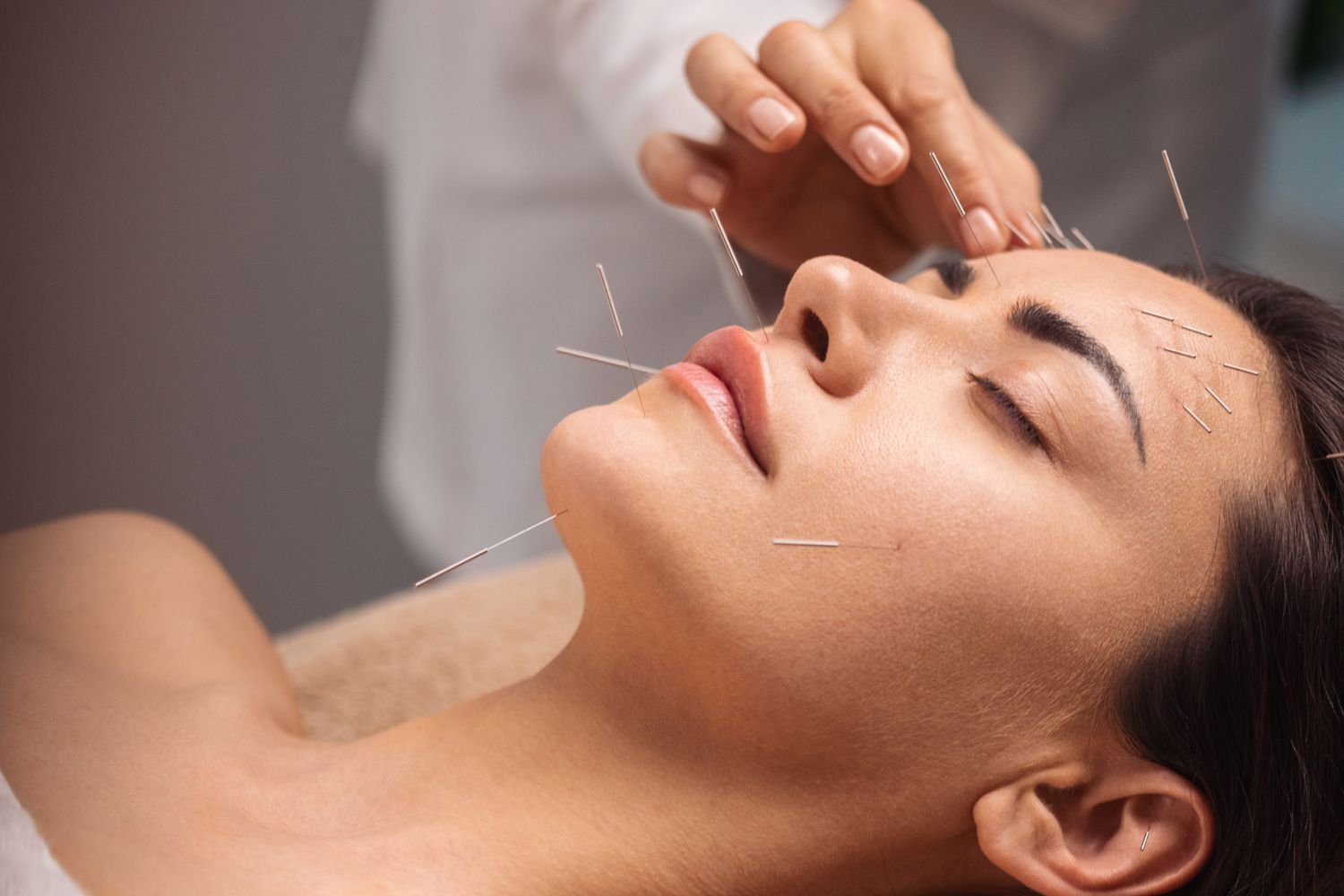

Energy-based devices, chemical peels, microneedling, and laser treatments sit at the center of modern aesthetic practice. They deliver strong results, yet they also create controlled injury, barrier disruption, and inflammation. Because of this, chemists now need actives that do more than soothe the surface. They must actively help the skin rebuild. Polydeoxyribonucleotide (PDRN) fits exactly into this space as a DNA-based bioregulator that accelerates repair, improves texture, and supports long-term tissue quality after in-clinic procedures.
This article focuses on PDRN specifically in post-procedure recovery. Your comparison blog already covers sourcing differences between salmon, plant-derived, and PHYTO PDRN. Here, we move in a different direction: how PDRN behaves in damaged skin, how it interacts with growth and repair pathways, and how formulators can design recovery products that support professional protocols without overlapping existing content.
Why Post-Procedure Skin Needs More Than a Basic Soothing Cream
After peels, RF, IPL, fractional lasers, or microneedling, the skin enters a fragile window. The barrier is open, keratinocytes are stressed, and fibroblasts receive a huge wave of inflammatory signals. If you only apply emollients and simple humectants, you may reduce short-term discomfort, but you miss a chance to actively guide regeneration.
- Barrier disruption: Lipids and corneocyte cohesion drop sharply, which increases TEWL and stinging.
- Inflammation: Cytokines such as TNF-α and IL-6 spike, driving redness and heat.
- Micro-wounding: Controlled injury in the epidermis and dermis demands rapid cell proliferation and matrix rebuilding.
- Risk of PIH and textural issues: If the repair process runs inefficiently, patients may experience pigment issues or roughness instead of a smooth, luminous result.
PDRN addresses this situation from the inside of the tissue rather than just the surface. Instead of acting like a bandage, it behaves like a micro-architect for cellular repair.
What PDRN Actually Does in Damaged Skin
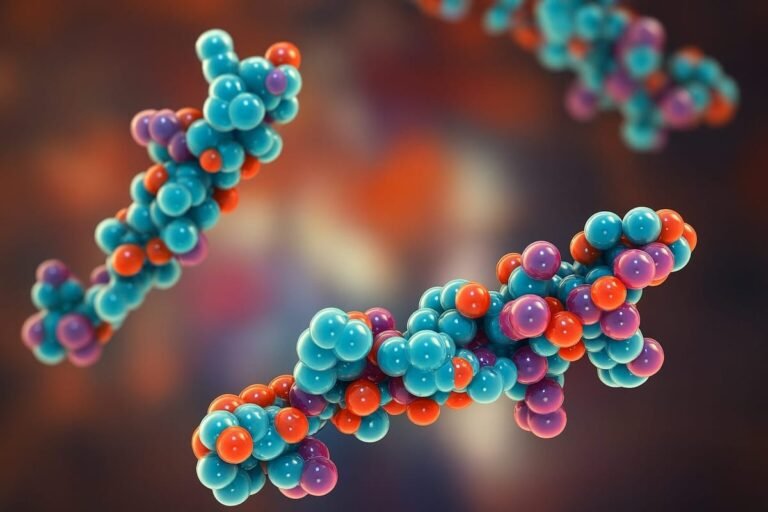
PDRN is a mixture of DNA fragments, usually 50–1500 base pairs long. These fragments act as a pool of nucleotides that cells can use during repair, and they also trigger specific receptors linked to regeneration. Multiple studies show that PDRN activates the adenosine A2A receptor, which increases angiogenesis, stimulates fibroblast proliferation, and reduces inflammatory mediators.:contentReference[oaicite:0]{index=0}
Key Mechanisms Relevant to Post-Procedure Formulas
- A2A receptor activation: PDRN up-regulates VEGF and other growth factors, improving microcirculation and oxygen delivery to damaged tissue.:contentReference[oaicite:1]{index=1}
- Support for DNA repair: Exogenous nucleotides help cells rebuild DNA after UV, thermal, or oxidative stress.
- Anti-inflammatory action: Studies report reductions in TNF-α and IL-6, plus faster resolution of edema and erythema in wound models.
- Matrix rebuilding: PDRN promotes fibroblast proliferation and collagen synthesis, which is exactly what you want after resurfacing procedures.:contentReference[oaicite:4]{index=4}
Because of these pathways, PDRN naturally fits into recovery products for fractional lasers, RF microneedling, energy-based tightening, professional peels, and even aggressive at-home retinoid reset programs.
Injectable vs Topical vs Encapsulated PDRN: Different Tools for Different Jobs
The aesthetic field first used PDRN as an injectable biostimulatory treatment. That route still dominates in medical practice. However, for brands, the most scalable opportunity sits in topical dermocosmetics that support professional treatments before and after the procedure.
Injectable PDRN
- Delivers high local doses directly into the dermis.
- Suitable for clinical settings only.
- Requires trained professionals and strict regulation.
Topical Free PDRN
- Easier to formulate but more vulnerable to enzymatic degradation in compromised skin.
- Penetration depends on vehicle; much of the material may stay near the surface.
- Best for mild support rather than intensive programs.
Encapsulated PDRN for Recovery Skincare
- Protection: Encapsulation shields the DNA fragments from nucleases present on the skin and in exudate after procedures.
- Penetration: Liposomes, nanoemulsions, or biopolymer carriers help transport PDRN towards the viable epidermis and upper dermis.
- Sustained release: Instead of a fast burst, encapsulation meters delivery over 6–12 hours, which aligns better with the repair cycle and reduces irritation.
This route gives brands a way to position PDRN as an advanced, “clinic-grade” active in serums, hydrogel masks, and recovery creams without touching injectable indications or duplicating your origin-focused PDRN blog.
Designing a PDRN Post-Procedure Serum: Practical Formulation Guide
When you formulate a post-procedure product, you have to think like both a chemist and a clinician. The skin is inflamed, the barrier is open, and the patient often layers this product with occlusive dressings or SPF. Because of that, every excipient choice matters.
Recommended Usage Levels
- Serums and ampoules: 0.1–0.5% PDRN (expressed as active solids).
- Barrier repair creams: 0.3–0.7% for night-time recovery.
- Post-procedure masks: Up to 1.0% in rinse-off or short-contact systems.
PHYTO and vegan PDRN usually show strong activity at the lower end of these ranges because of their engineered molecular-weight distribution. You already explained that in the comparison blog, so here we keep the focus on application design rather than origin.
Formulation Environment
- pH window: 4.5–7.0 works best for nucleotide stability and skin comfort.
- Temperature: Add PDRN during cool-down, below 40 °C, to avoid depolymerization.
- Water phase: Use low-ionic-strength buffers when possible; extreme salts can affect DNA conformation.
Synergistic Co-Actives
- Barrier rebuilders: Ceramides, cholesterol, fatty acids, and phytosphingosine support lipid recovery.
- Soothing humectants: Panthenol, beta-glucan, and low-weight HA hydrate without sting.
- Anti-redness neurocosmetics: TRPV1-modulating peptides pair well with PDRN’s anti-inflammatory action.
- Microbiome-friendly prebiotics: Gentle oligosaccharides help re-balance flora after antiseptics or peels.
Avoid pairing PDRN with strong acids, high-level peroxides, or harsh oxidants. Those materials can fragment DNA or overwhelm sensitive skin during the recovery window.
Positioning PDRN Recovery Products for Different Procedure Types
To avoid duplicate messaging across your content ecosystem, you can frame each launch around a specific procedure type or patient need rather than the PDRN origin story.
1. Laser and RF Resurfacing Protocols
Here, PDRN positions as a matrix architect. The key messages include collagen rebuilding, microcirculation support, and faster texture improvement. Pair it with film-forming polysaccharides and lipid repair systems to maintain hydration under occlusion.
2. Microneedling and Fractional Treatments
For these procedures, micro-channels create a short window of boosted penetration. A low-irritation PDRN serum with encapsulated delivery can be used in the clinic immediately post-treatment, followed by a take-home version for several days. The story focuses on nucleotides as “building blocks” that help the skin close micro-injuries cleanly.
3. Chemical Peels and Retinoid Resets
Strong peels or high-dose retinoid programs sometimes leave patients with flaking, erythema, or tightness. Here, PDRN supports both DNA repair and barrier rebuilding. Combine it with lamellar emulsions, phospholipids, and non-acidic brighteners to keep the regimen gentle but effective.
4. Post-Surgical Scar Management (Adjunct Cosmetic Care)
While medical management stays with the physician, cosmetic PDRN products can support scar appearance once the wound is closed. The narrative centers on improved elasticity, better collagen architecture, and reduced redness, all backed by angiogenesis and fibroblast data.:contentReference[oaicite:5]{index=5}
Advantages of Vegan and PHYTO PDRN Specifically in Recovery Skincare
Your original blog already covers ethics and sourcing in depth, so we keep this section tight and focused on clinical utility. Vegan and PHYTO PDRN bring three practical benefits to post-procedure formulas:
- Lower allergen risk: No marine proteins means fewer concerns for fish-allergic patients.
- Batch consistency: Biotech-refined DNA shows narrow molecular-weight distribution, which gives more predictable performance at low doses.
- Regulatory comfort: Non-animal origin simplifies positioning in vegan, clean, and sustainability-driven lines.
By framing these points around treatment safety and global launch simplicity, you reinforce your previous PDRN article without repeating its structure.
Concept Ideas: Product Formats for a PDRN Recovery Line
If you want to build a complete story for chemists and brand teams, you can map PDRN across a short, three-step protocol:
- Step 1 – Immediate Cooling Ampoule: High water content, low oil, encapsulated PDRN, panthenol, and beta-glucan; designed for in-clinic use straight after the procedure.
- Step 2 – Recovery Serum: Daily use for 7–14 days with PHYTO PDRN, niacinamide at a gentle level, ceramides, and HA. Focus on barrier strength and even tone.
- Step 3 – Night Repair Cream: Lamellar emulsion with PDRN, lipids, and signal peptides that continue collagen support while the patient sleeps.
This protocol gives your sales and marketing teams a clean story: one technology, three textures, and a clear timeline that supports clinic results.
Research References
- Galeano M. et al. – PDRN as a therapeutic strategy for skin repair (Wound Repair and Regeneration, 2008)
- Bitto A. et al. – Polydeoxyribonucleotide improves angiogenesis via A2A receptor activation (Frontiers in Pharmacology, 2013)
- Kim H.K. et al. – Clinical evaluation of PDRN for wound healing and regeneration (Photomedicine and Laser Surgery, 2018)
- Thellung S. et al. – PDRN activates the A2A receptor for anti-inflammatory and tissue repair effects (Life Sciences, 2019)
- Edirisinghe S.L. et al. – PDRN treatment and wound healing mechanisms (International Journal of Molecular Sciences, 2022)