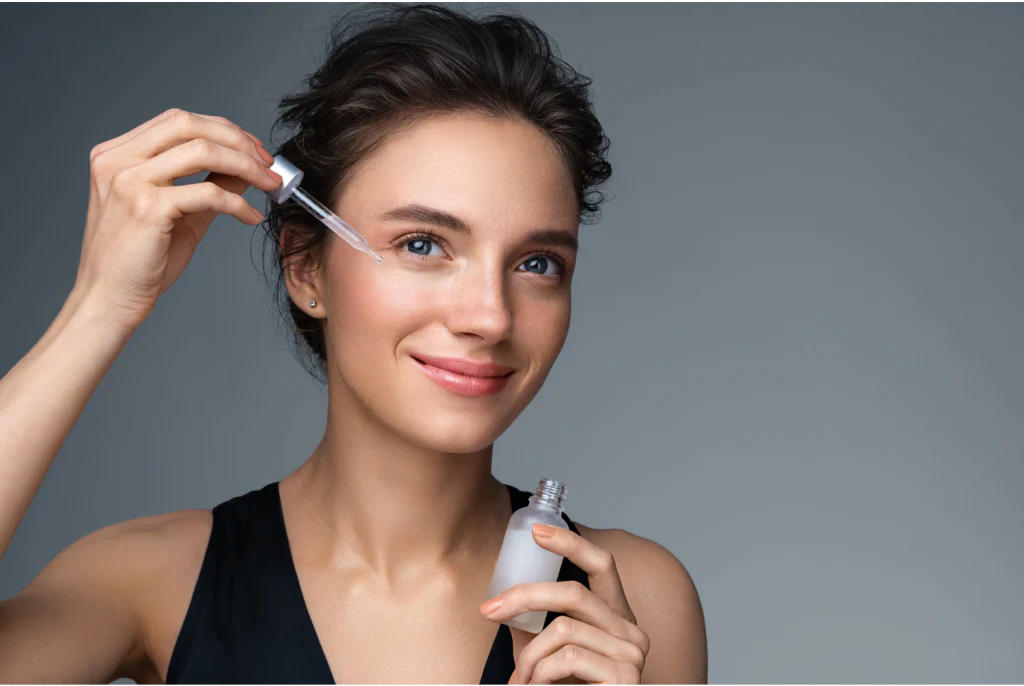

Niacinamide, also known as vitamin B3, remains one of the most versatile actives in modern cosmetic science. Because it supports barrier repair, reduces hyperpigmentation, and regulates sebum, chemists continue to integrate it across diverse formulations. In this guide, we explore why niacinamide stands out, how it works, and how to use it effectively in next-generation cosmetics.
Why Niacinamide Matters in Formulations
Despite the influx of trendy actives, niacinamide consistently ranks among the top requested ingredients. This is because it delivers proven multifunctionality: barrier support, antioxidant protection, and pigmentation control. Moreover, its compatibility across formulations makes it accessible for chemists working on everything from daily moisturizers to advanced serums.
In addition, niacinamide has a strong evidence base. Clinical studies show benefits at concentrations as low as 2%, with more significant improvements at 4–5%. Consequently, it has become a go-to ingredient for formulators who need measurable, reproducible results.
Mechanism of Action
Understanding niacinamide’s mechanism clarifies its wide utility. At the cellular level, niacinamide is a precursor for nicotinamide adenine dinucleotide (NAD+). Because NAD+ is vital for energy metabolism, DNA repair, and signaling, niacinamide supplementation restores cellular resilience. Furthermore, niacinamide inhibits the transfer of melanosomes to keratinocytes, which explains its skin-brightening effect. As a result, it provides both protective and corrective action.
Formulation Guidelines
Niacinamide is relatively stable and water-soluble, which simplifies its use. Nevertheless, chemists must observe some formulation nuances to maximize performance:
- Concentration: Typically 2–5% for creams and serums. Higher concentrations (up to 10%) are possible but may risk mild irritation.
- pH Range: Optimal between 5–7. In acidic formulas below pH 4, niacinamide may convert into niacin, potentially causing flushing.
- Compatibility: Works well with most actives, but stability with vitamin C requires attention. Encapsulation technologies can help combine the two effectively.
- Delivery Systems: Encapsulation or lipid carriers enhance penetration and reduce irritation, expanding its versatility.
Because of these guidelines, formulators can easily adapt niacinamide to multiple product types while maintaining safety and efficacy.
Applications Across Product Types
Niacinamide fits across categories, and chemists often deploy it strategically:
- Daily moisturizers for barrier reinforcement
- Brightening serums for uneven tone
- Anti-aging creams to reduce wrinkles and sallowness
- Acne-control products to regulate sebum
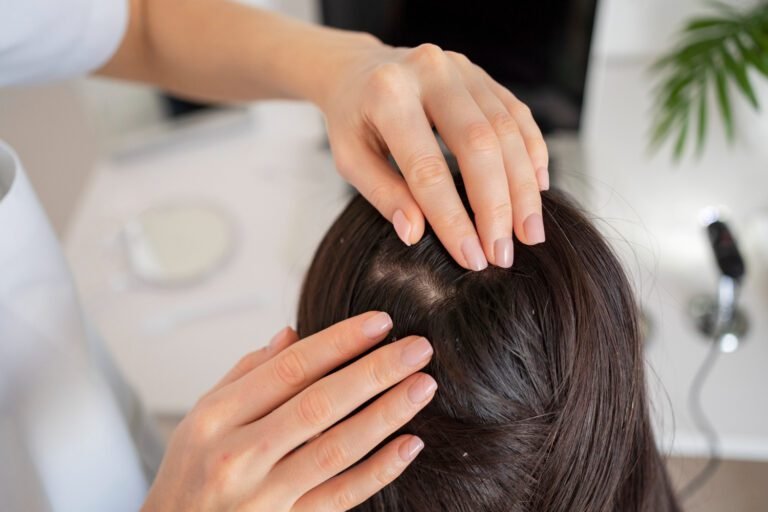
- Hair and scalp products for barrier balance
For example, in moisturizers, it strengthens ceramide synthesis, whereas in anti-acne formulas it helps normalize oil production. Therefore, tailoring its use by product type amplifies impact.
Evidence-Based Benefits
Niacinamide’s benefits are broad and well-documented. Notably, studies highlight:
- Barrier Repair: Increases ceramide and fatty acid synthesis (Gehring, 2004).
- Anti-Inflammatory Action: Reduces redness and irritation in rosacea patients.
- Sebum Regulation: Demonstrates reduction in sebum excretion with regular use.
- Hyperpigmentation Control: Lightens dark spots through melanosome transfer inhibition (Hakozaki et al., 2002).
- Anti-Aging: Improves elasticity, fine lines, and sallowness in mature skin.
Consequently, few cosmetic ingredients can match niacinamide’s multifunctional benefits.
Challenges and Solutions
Although niacinamide is robust, chemists must manage a few challenges:
- pH Sensitivity: As mentioned, acidic conditions risk conversion to niacin. To avoid this, buffer formulas appropriately.
- Irritation at High Doses: Rare but possible. Encapsulation, slow-release forms, or pairing with soothing actives like allantoin mitigate this.
- Consumer Perception: Despite its benefits, some consumers perceive niacinamide as “basic.” Therefore, linking it to advanced delivery systems helps elevate its image.
Because solutions are readily available, niacinamide remains a low-risk, high-reward active.
Future Directions and Innovation
Innovation around niacinamide is expanding. For instance, nanoencapsulation improves penetration while minimizing irritation. In addition, synergistic blends with actives like tranexamic acid or peptides broaden its scope. Moreover, sustainability trends are inspiring fermentation-based niacinamide production, appealing to eco-conscious brands. As a result, niacinamide continues to evolve with modern formulation science.