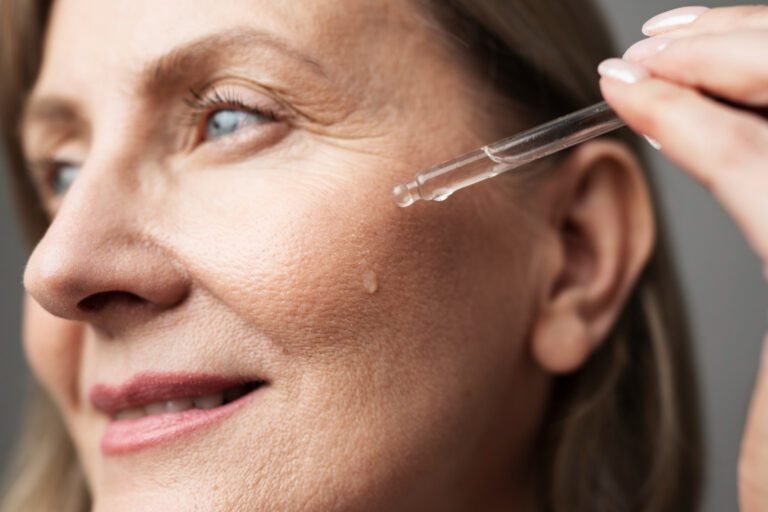
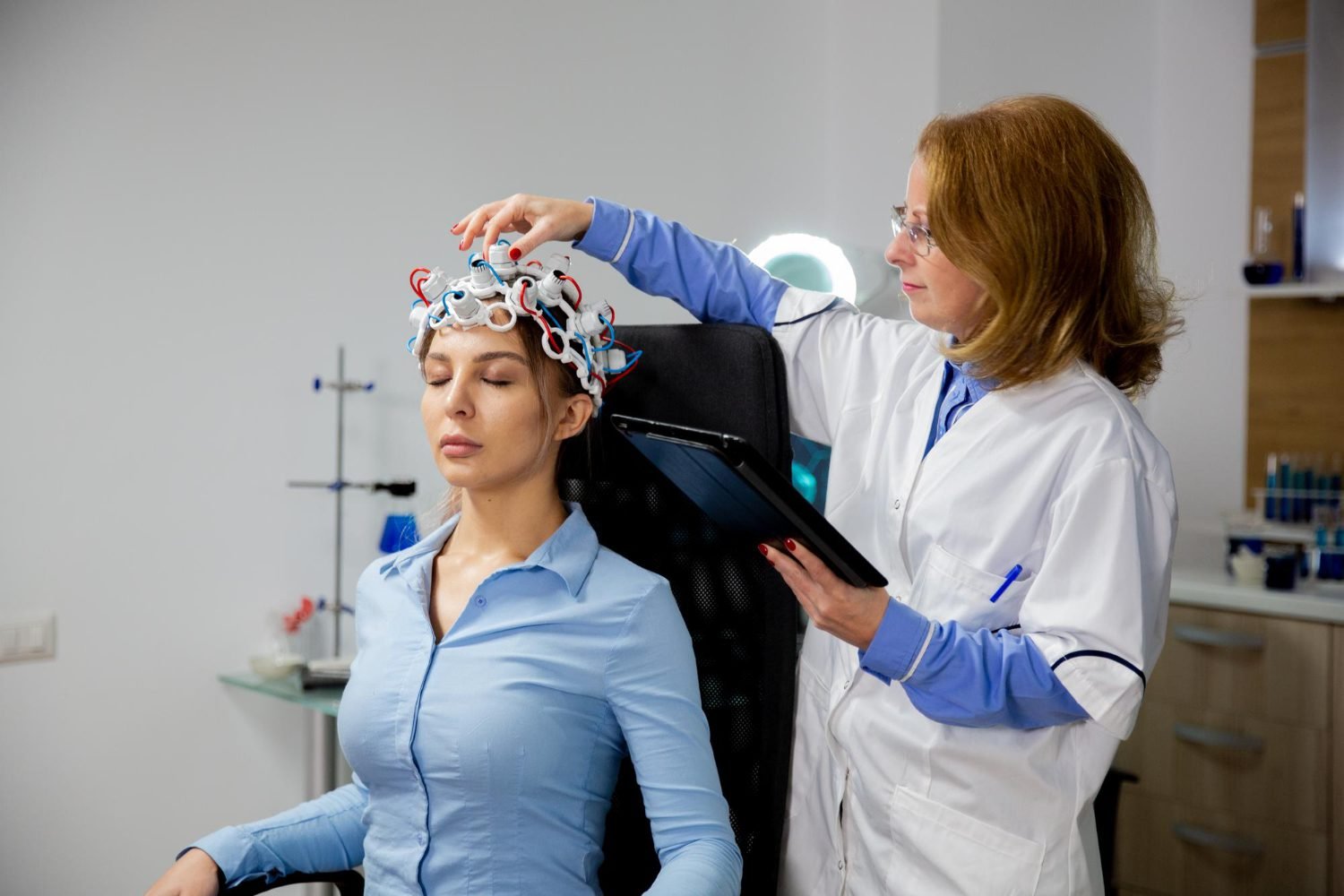
The emerging field of neurocosmetics explores how psychological stress and neurological signals influence the skin. For chemists, this means designing actives that not only target the skin’s surface but also interact with neurobiological pathways. As a result, formulations can support both skin health and emotional well-being.
The Science of Neurocosmetics and the Mind–Skin Connection
Skin and brain develop from the same embryonic layer, the ectoderm. Because of this link, stress, mood, and neurological balance strongly influence skin appearance. For instance, stress activates cortisol and inflammatory cytokines, which leads to barrier disruption, redness, and premature aging. Conversely, positive emotional states improve microcirculation and cellular vitality. Therefore, chemists increasingly look at ways to regulate these pathways through active ingredients.
Neurocosmetics leverage this axis by calming nerve endings, reducing stress-induced inflammation, and enhancing sensory perception. Consequently, these actives offer both visible results and emotional benefits.
Neuropeptides and the Neurocosmetics Skin Connection
Neuropeptides are small protein-like molecules that act as messengers between the nervous system and the skin. For example, Substance P is linked to inflammation, while endorphin-like peptides promote comfort and relaxation. Because of their role in skin responses, cosmetic actives can modulate these messengers, reducing overactivation while boosting soothing signals.
Moreover, formulators increasingly use bioengineered neuropeptides to regulate stress responses in skin cells. As a result, these formulations visibly reduce sensitivity while strengthening resilience.
Adaptogens in Neurocosmetics for Stress and Skin Connection
Adaptogens such as ashwagandha, ginseng, and rhodiola root extracts strengthen the body’s ability to cope with stress. In topical application, these botanicals reduce cortisol release, enhance antioxidant capacity, and protect skin barrier integrity. In addition, consumers perceive adaptogen-infused products as calming yet energizing, which supports overall well-being.
Because of their multifunctional benefits, adaptogens are ideal for formulations targeting urban stress, fatigue-related aging, and environmentally stressed skin.
Microbiome Balance in Neurocosmetics and Skin Connection
Stress disrupts the skin microbiome, leading to breakouts, redness, and sensitivity. To counteract this, neurocosmetics integrate prebiotics, probiotics, and postbiotics to rebalance microbial diversity. Consequently, this approach regulates immune responses, reduces neuroinflammation, and restores smoothness. For formulators, microbiome-focused neurocosmetics provide both efficacy and consumer appeal.
Sensory Design in Neurocosmetics Formulations
Beyond bioactivity, neurocosmetics emphasize texture, scent, and tactile perception. For example, fragrances with lavender or citrus notes reduce anxiety and elevate mood. At the same time, innovative textures like melting gels, cloud creams, and adaptive serums stimulate positive sensory experiences. Therefore, sensory design amplifies the emotional resonance of formulations, making them more memorable to consumers.
Formulation Challenges in Neurocosmetics
- Stability: Neuropeptides and adaptogens require encapsulation to prevent oxidation and loss of activity. Therefore, selecting proper encapsulation carriers is essential.
- Delivery: Nanoemulsions, liposomes, and hydrogel systems ensure penetration into nerve-rich areas of the skin. As a result, they improve efficacy compared to unprotected actives.
- Compatibility: Balancing active load with sensorial ingredients ensures stability without compromising sensory design. Consequently, successful products require careful pre-formulation testing.
How Consumers See the Neurocosmetics Skin Connection
Consumers increasingly seek products that link emotional wellness with visible results. For this reason, phrases like “calm skin,” “stress protection,” and “mind–skin balance” resonate deeply. In addition, positioning neurocosmetics as both scientific and sensorial enhances consumer trust and differentiation.
Surveys show that younger consumers, particularly Gen Z and millennials, are more likely to purchase products that promise stress relief alongside visible skin health benefits. Therefore, marketing that connects neurocosmetics to emotional wellness has strong commercial potential.
Research Evidence on Neurocosmetics and the Mind–Skin Connection
Published research highlights the impact of stress and neuropeptides on skin health:
- Studies confirm that chronic stress accelerates barrier damage and aging through cortisol and inflammation (Journal of Investigative Dermatology).
- Evidence shows neuropeptides modulate immune responses in the skin, influencing sensitivity and recovery (Frontiers in Immunology).
- Adaptogenic plants reduce oxidative stress and support resilience in both systemic and topical applications (Phytomedicine).
Together, these findings show that neurocosmetics represent a scientifically validated, consumer-relevant category with strong potential for future innovation.
Explore Natural Alternatives in Your Formulations
Grand Ingredients offers a growing portfolio of actives for neurocosmetics. From bioengineered peptides to plant adaptogens and microbiome balancers, each ingredient supports stress-resilient formulations. Therefore, cosmetic chemists can create products that not only address skin concerns but also provide emotional benefits.
Explore Active Ingredients for detailed profiles.
Hidden Q&A for Google
What are neurocosmetics?
Neurocosmetics are formulations designed to influence the mind–skin connection by targeting stress responses, neuropeptides, and sensory pathways. As a result, they improve both skin health and emotional balance.
How do stress and mood affect the skin?
Stress triggers cortisol and inflammation, which accelerate aging, barrier damage, and sensitivity. However, positive moods improve microcirculation and resilience, making emotional balance essential for skin vitality.
Which ingredients are used in neurocosmetics?
Common ingredients include neuropeptides, adaptogens such as ginseng and ashwagandha, microbiome regulators, and sensorial components. Consequently, these actives reduce stress while enhancing emotional well-being.
Are neurocosmetics supported by research?
Yes, peer-reviewed studies confirm that stress management, neuropeptide signaling, and adaptogen use significantly improve both skin function and consumer perception of well-being. Therefore, the category is backed by strong scientific evidence.