Urban living constantly exposes the skin to particulate matter, ozone, blue light, and heavy metals. These aggressors trigger inflammation, oxidative stress, and microbiome imbalance—all of which accelerate visible aging. To counteract these challenges, modern biotechnology has introduced a new generation of actives: microbial peptides. Derived from bacteria and fermentation processes, these molecules strengthen skin defenses, reinforce barrier integrity, and neutralize pollution-induced damage in a sustainable and intelligent way.
Pollution as a biological stressor
Pollution does far more than coat the surface; it penetrates deep into the epidermis and the microbiome’s ecosystem. Fine particulate matter (PM2.5) adheres to lipids and proteins, generating reactive oxygen species (ROS) and shifting microbial diversity. As a result, beneficial bacteria decline while harmful strains proliferate, leading to irritation and oxidative cascades. Over time, this imbalance compromises collagen, triggers hyperpigmentation, and weakens the immune system. Therefore, effective anti-pollution solutions must act both on the surface and within the skin’s biological networks—precisely where microbial peptides excel.
What microbial peptides are
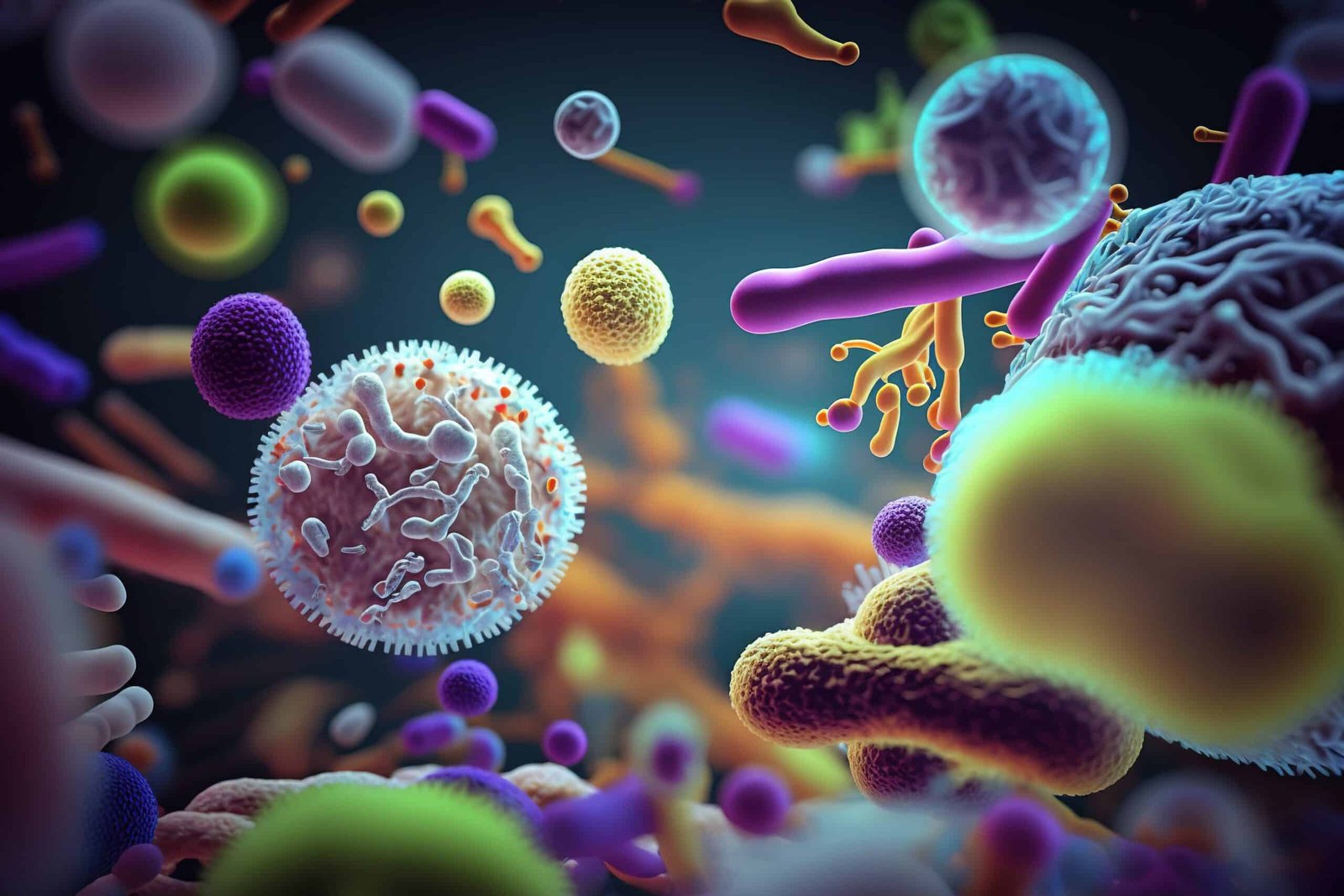
Microbial peptides are short amino acid sequences produced by bacteria through fermentation or signaling. These include bacteriocins, lantibiotics, and cyclic peptides, which serve as communication and defense tools in nature. When introduced into skincare, they perform comparable functions—calming inflammation, rebalancing flora, and blocking oxidative reactions. Moreover, because they are biodegradable and active at low concentrations, they deliver strong efficacy with minimal environmental impact.
How microbial peptides defend against pollution
- Antioxidant activity: Peptides containing cysteine or histidine capture reactive oxygen species before they damage cellular membranes.
- Anti-inflammatory signaling: Certain microbial peptides regulate NF-κB and IL-6 pathways, preventing cytokine surges caused by pollution exposure.
- Barrier strengthening: Peptide fragments stimulate claudin-1 and occludin expression, tightening cell junctions for improved resilience.
- Heavy metal chelation: Acidic amino acids bind and neutralize metal ions such as cadmium or lead, reducing toxicity.
- Microbiome balance: Bacteriocin peptides limit pathogenic overgrowth while protecting beneficial strains like Staphylococcus epidermidis.
Consequently, microbial peptides operate on multiple levels—preventing pollution damage, correcting imbalance, and teaching the skin to recover faster after stress.
Key peptide families in skincare
Different peptide families deliver unique biological advantages. For example, lantibiotics from Lactococcus lactis offer potent antioxidant and soothing properties, while bacteriocins from Lactobacillus species control unwanted microbes. In addition, non-ribosomal peptides produced by soil bacteria provide detoxifying and metal-chelating capabilities. Finally, cyclic peptides resist enzymatic degradation, ensuring long-lasting protection in daily formulations. Together, these natural molecules create an adaptive defense network for the skin.
Microbial peptides versus traditional antioxidants
Although antioxidants like vitamins C and E remain staples, microbial peptides complement them by acting earlier in the oxidative chain. Rather than only neutralizing existing radicals, they block ROS formation and stabilize mitochondria under stress. As a result, antioxidants last longer and perform more effectively. Moreover, peptides improve immune balance, ensuring that pollution defense happens both chemically and biologically.
Synergy with postbiotics and ferments
Microbial peptides rarely work alone. When combined with postbiotics and fermented actives, they form comprehensive microbiome protection systems. Postbiotics supply nutrients and restore diversity, while peptides guide immune tolerance and detoxification. For instance, a Lactobacillus ferment rich in bacteriocins paired with green-tea ferment antioxidants offers dual-layer protection—reducing oxidation and calming inflammation simultaneously. Furthermore, this synergy enhances formula stability and sensory performance.
Formulation strategies for stability
To preserve efficacy, formulators should maintain peptides in a stable microenvironment. The ideal pH range is 5.0–6.0, which protects peptide structure and complements skin’s natural acidity. Encapsulation in lipid or polymeric carriers helps prevent oxidation and ensures gradual release. Additionally, humectants such as trehalose or glycerin can maintain peptide hydration and improve texture. Consequently, the product remains both effective and elegant in application.
AI and molecular modeling applications
Artificial intelligence now allows researchers to predict peptide behavior at the molecular level. Through docking simulations, AI visualizes how microbial peptides bind to oxidized lipids or metal ions, revealing their detoxifying potential. Moreover, machine learning identifies optimal combinations with antioxidants and postbiotics, allowing chemists to reduce trial-and-error cycles. Therefore, peptide formulation becomes more precise, efficient, and sustainable.
Clinical validation and results
Recent clinical studies confirm that microbial peptides deliver visible anti-pollution benefits. A serum containing a Lactobacillus bacteriocin reduced redness by 27 % and improved luminosity by 18 % within four weeks. Similarly, a peptide-ferment complex restored microbial diversity and increased elasticity by 15 %. In addition, participants reported smoother texture and less environmental fatigue. These findings validate microbial peptides as effective urban defense actives.
Sustainability and biotechnology sourcing
Microbial peptides are produced through renewable fermentation or cell-free synthesis. Both methods require minimal energy, generate biodegradable effluents, and avoid animal derivatives. Furthermore, circular-feed bioreactors recycle nutrients, creating nearly zero-waste manufacturing. As a result, peptide technology embodies the clean-beauty values of performance with environmental respect.
Applications across product types
- Serums: Concentrated microbial peptides providing fast antioxidant and calming effects.
- Day creams: Peptide-postbiotic emulsions shielding against pollution and blue-light stress.
- Mists: Lightweight sprays forming a breathable peptide film for daily defense.
- Masks: Biocellulose fabrics infused with peptides that revitalize dull, urban skin.
- Scalp care: Peptide-ferment complexes improving comfort and reducing oxidative micro-damage from pollution.
Consequently, microbial peptides adapt effortlessly across formats, offering versatility to formulators and comfort to users.
Explore microbial peptide innovation
Discover advanced microbial peptides and ferments in the Active Ingredients portfolio. Each material combines sustainability, proven efficacy, and microbiome harmony—empowering chemists to design protective formulas suited for the modern environment.
Conclusion: biological precision for polluted environments
Microbial peptides redefine pollution defense through precision biology. By restoring microbiome balance, reducing oxidative triggers, and reinforcing skin integrity, they transform everyday skincare into intelligent protection. Ultimately, this technology demonstrates that the future of beauty lies in collaboration with microorganisms—not in resistance to them.