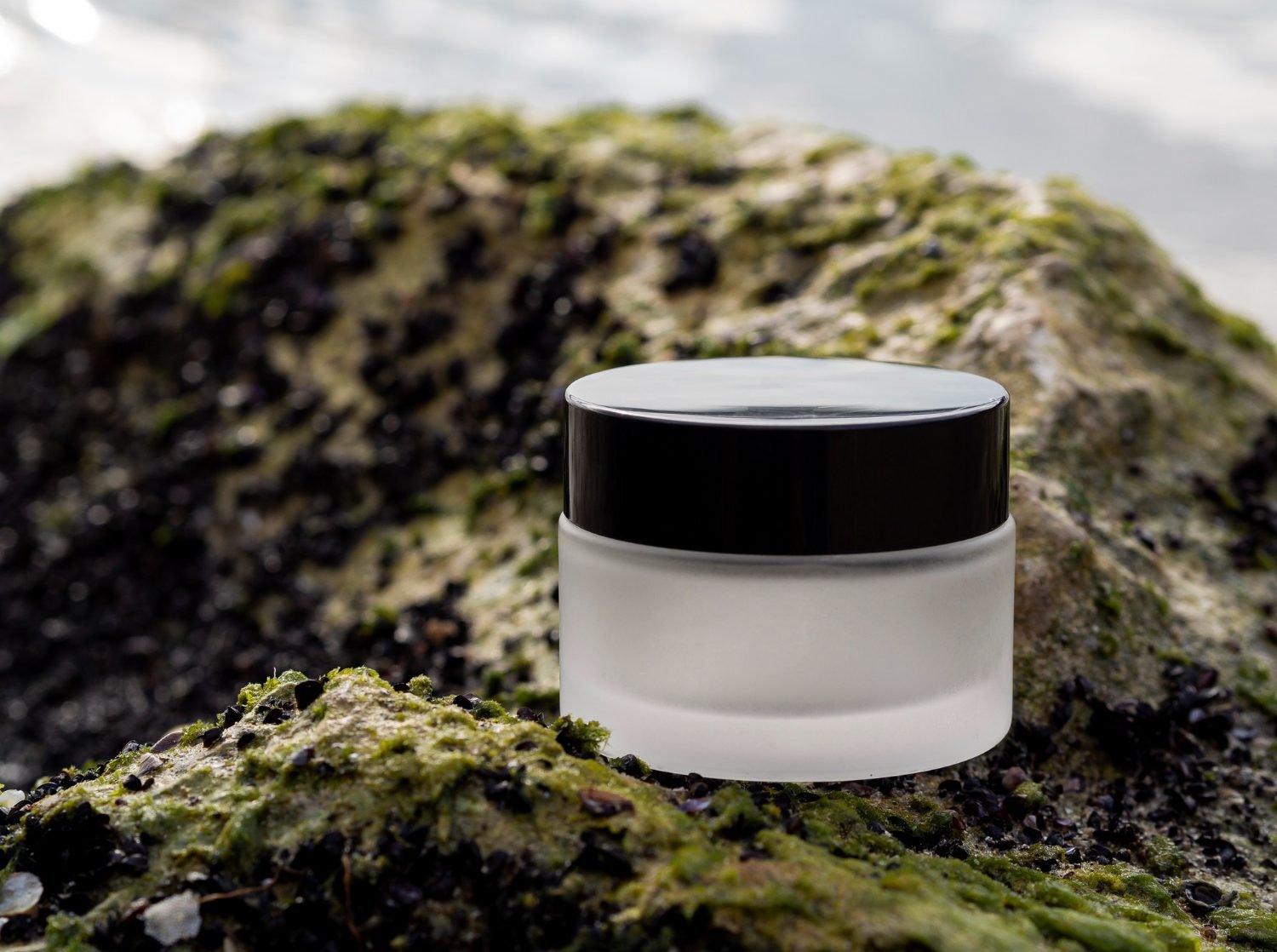
The skin surface behaves like a living ecosystem rather than a static barrier. It hosts millions of microorganisms that form a dynamic microbiome, and this community influences immunity, hydration, and barrier resilience every day. When the microbiome stays balanced, skin usually looks calmer, clearer, and more uniform in tone. When it drifts out of balance, however, redness, sensitivity, dryness, and recurring imperfections become much more persistent.
Marine postbiotics offer a precise, formulation-friendly way to work with this ecosystem. Instead of delivering live microbes, they provide standardized preparations of inactivated marine microorganisms and their bioactive fractions. Consequently, they deliver microbiome benefits without the technical instability and regulatory complexity that often accompany probiotic claims. For cosmetic chemists, they open a new lane: microbiome-intelligent actives rooted in blue biotechnology.
What Are Marine Postbiotics?
Postbiotics are preparations of non-living microorganisms and their components that still confer measurable benefits to the host. Marine postbiotics specifically originate from ocean-derived microorganisms such as algae-associated bacteria, planktonic species, or deep-sea strains. During fermentation and downstream processing, these organisms generate a complex mixture of:
- Inactivated microbial cells and cell fragments
- Exopolysaccharides and short-chain carbohydrates
- Fermentation metabolites such as organic acids
- Low-molecular-weight peptides and amino acids
- Trace minerals and osmoprotective compounds from marine media
Instead of trying to colonize the skin, marine postbiotics interact with the existing microbiome and epidermis through signaling, pH modulation, and surface conditioning. As a result, they align very well with modern dermocosmetic trends that prioritize ecosystem support rather than aggressive disinfection.
How Marine Postbiotics Differ from Probiotics and Prebiotics
Formulators often group microbiome-related ingredients together; however, the differences matter both scientifically and in marketing.
- Probiotics aim to deliver live microorganisms. They require careful temperature control, low-preservative or alternative preservation strategies, and specialized packaging. In practice, maintaining viability throughout a cosmetic product’s shelf life is challenging.
- Prebiotics usually provide substrates that selectively feed beneficial microbes. They do not contain microbial cells, and their effects primarily depend on nutrient bias within the surface environment.
- Postbiotics deliver inactivated cells and fermentation fractions that still interact with epidermal and microbial systems. They do not need to remain alive, which significantly simplifies formulation and quality control.
Marine postbiotics sit firmly in the third category. Because viability is not required, chemists can combine them with conventional preservative systems, stabilize them in diverse textures, and generate reproducible efficacy data more easily.
Key Mechanisms: How Marine Postbiotics Support Skin Health
1. Supporting Microbiome Balance
Healthy skin microbiomes typically feature a stable diversity of commensal species. Marine postbiotics help maintain this balance through several converging mechanisms. First, their organic acids and buffered fermentation media encourage a mildly acidic surface pH. This environment naturally supports commensal organisms while discouraging opportunistic overgrowth.
Additionally, some marine postbiotic preparations contain metabolites that beneficial microbes can use as selective nutrients. By adjusting the resource landscape rather than killing microbes outright, these ingredients gently guide the community toward a more balanced state. In practice, this approach aligns well with long-term barrier care, because it avoids the repeated “wipe-out and recolonize” cycles associated with aggressive cleansing.
2. Modulating Epidermal Immune Tone
Keratinocytes express a range of pattern-recognition receptors that detect microbial components at the surface. When this detection remains balanced, the skin maintains a state of efficient but quiet surveillance. When it becomes exaggerated, however, low-grade inflammation and discomfort often follow.
Marine postbiotics present carefully standardized microbial fragments to these receptors. At appropriate inclusion levels, they can help the skin refine its immune response, favoring controlled defense rather than constant alarm. Over time, this modulation can contribute to fewer visible flare-ups, less background redness, and better tolerance for environmental fluctuations.
3. Reinforcing Barrier Function
Barrier quality depends on lipids, proteins, and the organization of the stratum corneum. Marine postbiotics support this architecture indirectly but meaningfully. By promoting a balanced microbiome and more controlled immune signaling, they reduce repeated barrier disruption driven by chronic irritation.
Moreover, several marine ferment fractions have demonstrated the ability to influence markers associated with barrier repair, natural moisturizing factor pathways, and antimicrobial peptide expression in experimental models. As chemists integrate these materials into barrier-focused formulas, they can reinforce both the physical and ecological dimensions of the skin surface.
4. Environmental and Urban Stress Support
Modern skin lives under constant stress from UV, pollution, temperature variation, and low humidity. These stressors simultaneously challenge the microbiome and the barrier. Marine postbiotics provide a two-pronged response: their film-forming polysaccharide fractions help condition the surface, while their metabolites contribute to antioxidant and anti-stress support.
When brands position marine postbiotics in urban-defense concepts, they can reasonably frame them as ecosystem stabilizers: ingredients that help the skin maintain composure when environmental conditions fluctuate throughout the day.
Formulation Design with Marine Postbiotics
Material Formats and Processing
Suppliers typically offer marine postbiotics as aqueous solutions, dispersible powders, or concentrated ferment filtrates. Chemists usually add these materials during the cool-down phase to minimize unnecessary thermal stress on sensitive fractions. Gentle mixing is typically sufficient, although high shear may be acceptable depending on the grade.
Because these materials originate from biological systems, batch-to-batch documentation matters. Consequently, development teams should prioritize suppliers that provide detailed specifications for microbial strain, fermentation conditions, inactivation method, and key active markers.
pH Window and Preservation
Marine postbiotics generally perform best in mildly acidic systems between pH 4.5 and 6.0. This range supports the intended microbiome and barrier benefits while aligning with the physiological pH of facial skin. Preservative selection should protect the overall formula without excessively oxidizing or denaturing delicate metabolites. In most cases, standard broad-spectrum systems work well, because viability is not required.
Synergies with Other Actives
Marine postbiotics become more powerful when formulators position them inside a broader barrier and microbiome strategy. They pair especially well with:
- Ceramides and barrier lipids: These rebuild the structural scaffold while postbiotics refine the surface ecosystem.
- Marine phospholipids: They help organize lamellar structures and improve tolerance in sensitive skin concepts.
- Gentle humectants: Glycerin, betaine, and low-molecular-weight hyaluronic acid complement the comfort benefits of postbiotics.
- Low-intensity renewal systems: Carefully dosed acids or enzymes can coexist with postbiotics to maintain smoothness without overwhelming the microbiome.
Because marine postbiotics already provide a subtle ecological manipulation, aggressive combinations with strong peels or heavy antimicrobial loads may not align with the positioning. Instead, chemists can design routines that use postbiotic formulas on recovery days inside skin-cycling regimens.
Ideal Product Archetypes for Marine Postbiotics
Marine postbiotics fit naturally into several high-value product categories. When chemists plan a portfolio, they can integrate these actives into concepts such as:
- Microbiome-balancing essences: Lightweight liquids that set the tone for the rest of the routine.
- Calming barrier creams: Emulsions that target chronic redness, dryness, and tightness associated with ecological imbalance.
- Urban-resilience moisturizers: Day creams that combine marine postbiotics with antioxidants and pollution shields.
- Recovery serums: Formulas designed to support comfort after stressful cosmetic routines, under professional guidance.
In each archetype, the message remains consistent: marine postbiotics help the skin maintain a more intelligent, balanced response to its environment.
Template Comparison: Marine Postbiotics vs Related Microbiome Tools
| Technology | Main Role | Key Advantage | Best Positioning |
|---|---|---|---|
| Marine Postbiotics | Microbiome balance + immune tone | Stable, non-viable, marine-derived signals | Sensitive, reactive, or urban-stressed skin |
| Prebiotics | Substrate bias for commensals | Simpler chemistry and clear narrative | Everyday hydration and barrier-support lines |
| Probiotic Claims | Delivery of live microorganisms | High marketing impact when executed correctly | Niche or premium formats with strict handling |
| Non-microbiome Soothing Actives | Direct anti-redness or anti-irritant effects | Immediate comfort without ecosystem angle | Short-term soothing and post-stress care |
By clearly separating marine postbiotics into the microbiome-intelligent lane, brands avoid conceptual overlap with structural actives such as marine peptidoglycans or collagen-focused marine peptides. This clarity translates directly into cleaner communication and more coherent SEO.
Key Takeaways for Cosmetic Chemists
- Marine postbiotics use non-viable marine microorganisms and their fractions to influence the skin ecosystem rather than colonize it.
- They support microbiome balance, refine immune tone, and reinforce barrier function through multiple converging mechanisms.
- Because they do not require viability, they integrate easily into standard preserved formulations and diverse textures.
- They occupy a distinct lane from marine peptidoglycans (defensive structure) and marine peptides (anti-aging), which helps prevent conceptual and SEO duplication.
- They align particularly well with sensitive-skin, urban-resilience, and long-term barrier-care product strategies.