
The skin barrier is more than a passive wall. It constantly receives, interprets, and responds to signals from the outside world. These signals do not come only from UV light, pollution, or temperature changes. They also come from microscopic structural patterns associated with microorganisms. Marine peptidoglycans sit exactly in this interface. They are structural biopolymers from marine bacteria that the skin can recognize and use as training signals for resilience.
While postbiotics and ferments emphasize ecosystem balance, marine peptidoglycans focus on structural immunity and barrier strength. They combine peptide motifs with sugar backbones in a way that interacts directly with cutaneous receptors. As a result, they help the skin refine its defensive tone, reinforce surface integrity, and become more resistant to everyday stress without increasing reactivity.
What Are Marine Peptidoglycans?
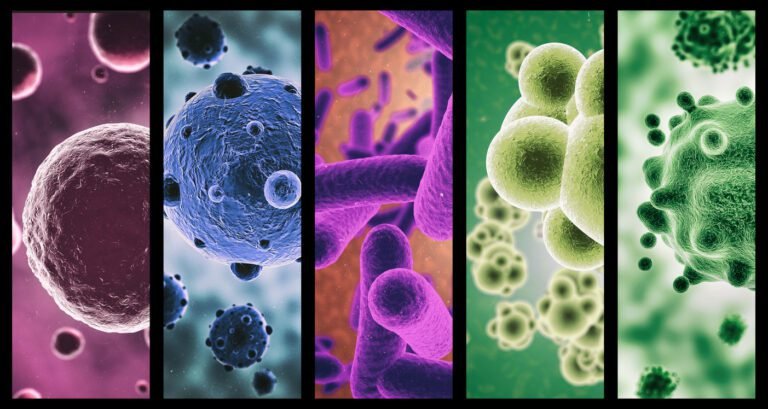
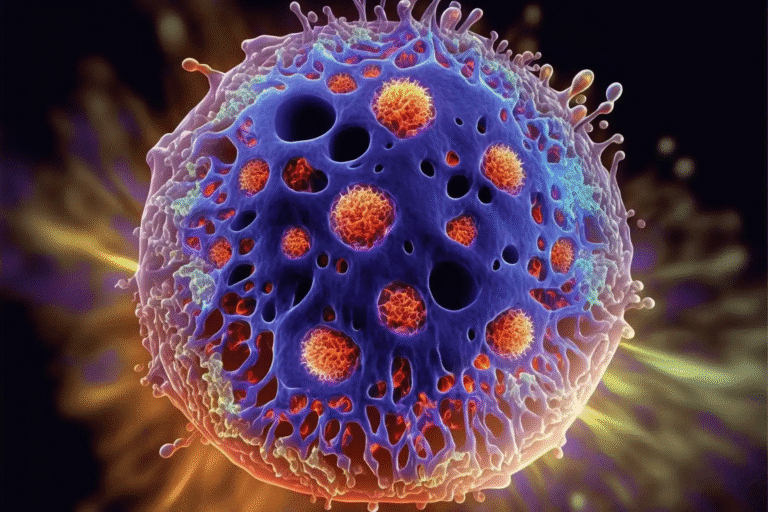
Peptidoglycans are composite polymers that form part of the cell wall in many bacteria. They consist of alternating sugar units cross-linked by short peptide chains. This lattice gives microbial cells mechanical strength. It also creates a highly recognizable structural pattern that immune systems can detect quickly.
Marine peptidoglycans come specifically from microorganisms that live in ocean environments. These microbes often face high salinity, pressure changes, and temperature fluctuations. Because of these conditions, their peptidoglycans frequently display unique cross-linking patterns, unusual amino sugars, or distinct substitution profiles. Consequently, marine peptidoglycans behave differently from terrestrial analogues when they encounter the skin.
In cosmetic ingredients, peptidoglycans do not arrive as live bacteria. They appear as purified or standardized cell-wall fragments prepared under controlled conditions. Therefore, they function as structured signals, not as living organisms.
How Marine Peptidoglycans Interact with the Skin
Pattern Recognition and Defensive Training
The skin expresses pattern-recognition receptors that detect structural motifs from microbes. When these receptors encounter peptidoglycan fragments in a controlled context, they can refine how the skin responds to future challenges. Marine peptidoglycans use this route strategically. They deliver highly specific structural cues without bringing live microbes or disruptive loads of endotoxins.
In practice, this means marine peptidoglycans can help the skin maintain a poised, ready state instead of a constantly overreactive one. The barrier learns to distinguish between harmless everyday exposure and situations that truly justify an inflammatory response.
Support for Barrier Cohesion
Although peptidoglycans do not become part of the epidermal architecture, they influence pathways linked to cohesion and tightness. Their hybrid peptide–sugar nature allows them to interact with both protein- and carbohydrate-related processes. As signaling inputs accumulate, keratinocytes can upregulate molecules that support junction integrity, corneocyte organization, and overall barrier quality.
Consequently, formulas that include marine peptidoglycans often aim at strengthening the barrier from the inside of the epidermis rather than simply coating the surface. This approach suits long-term resilience strategies much better than highly occlusive quick fixes.
Micro-Inflammation and Tone Uniformity
Chronic micro-inflammation is a quiet driver of dullness and uneven tone. It slowly erodes barrier function, encourages discomfort, and interferes with recovery after daily stress. By fine-tuning defensive pathways, marine peptidoglycans help decrease this background noise. The skin continues to defend itself; however, it does so with more precision and less collateral damage.
Over time, this refinement can contribute to a calmer appearance, fewer visible flare patterns, and a more uniform look across the cheeks, nose, and chin. Because the mechanism centers on structured recognition, it aligns naturally with dermocosmetic concepts that target long-term skin wellness instead of short-lived “anti-redness” effects.
Marine Peptidoglycans Skincare Benefits
1. Stronger Daily Barrier Resilience
Marine peptidoglycans help the skin handle mechanical, climatic, and urban stress with less disruption. Their signaling role supports tighter junctions, better surface cohesion, and improved resistance to minor friction or cleansing. When the barrier behaves more coherently, transepidermal water loss tends to remain more stable during the day.
As a result, users often experience less tightness after washing, fewer rough patches during seasonal transitions, and better tolerance for active routines when products are chosen carefully.
2. More Intelligent Immune Responses
Rather than suppressing immunity, marine peptidoglycans help the skin calibrate it. They present structural cues that receptors recognize quickly. Because the exposure comes from a controlled cosmetic preparation, the signal stays within a range that favors balanced vigilance instead of alarm.
This intelligent modulation matters for complex skin types that react strongly to temperature changes, pollution spikes, or frequent travel. Marine peptidoglycans act like a training tool, teaching the epidermis to respond in a more measured and efficient way.
3. Support for Clearer, More Stable Skin
Disrupted barriers and unbalanced defense often correlate with episodes of localized imperfections and discomfort. By reinforcing structure and refining immune tone, marine peptidoglycans can indirectly support a clearer appearance. They help the surface environment stay less favorable to repeated micro-irritation patterns.
Although they are not positioned as breakout actives, they provide a stability platform that enhances other routines. When chemists combine them with well-chosen renewal and soothing strategies, they can support skin that looks calmer over time.
4. Compatibility with Advanced Blue-Biotech Stories
Marine peptidoglycans also carry strong storytelling power for brands. They highlight a transition from simple moisturization to structural immunity engineering. Because the materials come from marine microorganisms adapted to extreme conditions, their narrative fits easily into next-generation blue biotechnology: high science, precision fractionation, and targeted signaling.
Formulation Considerations for Chemists
Material Format and Handling
Marine peptidoglycans usually arrive as standardized aqueous concentrates or dispersible powders derived from specific microbial strains. Formulators typically introduce them during the cool-down phase under moderate stirring. This timing protects sensitive structural motifs and avoids unnecessary heat exposure.
Because they are complex biological polymers, they require reliable supplier documentation. Development teams should prioritize sources that specify strain identity, purification method, and key analytical markers such as peptide-to-sugar ratios.
pH and System Architecture
Marine peptidoglycans generally perform well in the mildly acidic range typical of facial skincare, often between pH 5.0 and 6.0. This window respects the barrier and also maintains the structural integrity of the peptidoglycan backbone. Extremely low pH values may not suit this class of materials, especially when formulas already contain strong acids.
Therefore, chemists usually position marine peptidoglycans in barrier-strengthening architectures rather than in aggressive peel systems. Emulsions, gel creams, and treatment serums make ideal bases.
Compatibility with Other Actives
Marine peptidoglycans sit comfortably alongside many common skincare actives. They integrate particularly well with:
- Ceramide complexes and biomimetic lipids that rebuild barrier lamellae.
- Marine phospholipids that help organize membrane-like structures in emulsions.
- Calming ingredients such as panthenol, allantoin, or madecassoside that address surface comfort.
- Low-level retinoid or peptide systems in routines where barrier resilience is essential.
Chemists should still evaluate each specific combination through stability and compatibility testing. However, the structural role of marine peptidoglycans usually complements rather than competes with other mechanisms.
Ideal Product Formats for Marine Peptidoglycans
- Barrier-reinforcing serums: Concentrated water-based treatments that focus on daily resilience for sensitive or complex skin types.
- Strengthening moisturizers: Emulsions that target users who experience frequent tightness, exposure-related discomfort, or barrier depletion.
- Recovery creams: Formulas designed to support structural recovery between active or exfoliating days, under professional guidance.
- Urban-stress defense products: Day creams that combine marine peptidoglycans with antioxidants and film-formers to help skin stay organized under pollution and climate swings.
In each case, the focus remains on structural immunity, not microbiome ecosystem balance and not collagen-focused anti-aging. This separation preserves a clear conceptual lane, which is critical for both marketing clarity and SEO differentiation.
Template Comparison: Marine Peptidoglycans vs Related Marine Technologies
| Technology | Primary Focus | Key Mechanism | Best Use Case |
|---|---|---|---|
| Marine Peptidoglycans | Barrier strength + structural immunity | Pattern recognition and junction-support signaling | Strengthening, resilience, and recovery formulas |
| Marine Postbiotics | Microbiome ecology and immune tone | Ecosystem support through inactivated cells and metabolites | Microbiome-balancing essences and calming care |
| Marine Peptides | Dermal matrix and anti-aging | Fibroblast stimulation and collagen-related signaling | Firming, wrinkle-focused, and elasticity products |
This comparison makes the separation clear. Marine peptidoglycans occupy the structural defense and resilience lane. They do not duplicate postbiotic microbiome work or peptide-based anti-aging claims. Consequently, each technology remains distinct in both scientific content and SEO positioning.
Key Takeaways for Formulators
- Marine peptidoglycans are structural cell-wall polymers from marine microorganisms that act as targeted training signals for the skin’s defensive systems.
- They help refine pattern recognition, reinforce barrier cohesion, and reduce background micro-inflammation without suppressing natural protection.
- They differ fundamentally from marine postbiotics, which focus on microbiome ecology, and from marine peptides, which target dermal matrix renewal.
- They fit best in strengthening serums, recovery creams, and urban-resilience moisturizers that emphasize durability and composure under daily stress.
- They support a blue-biotechnology narrative centered on structural immunity and next-generation barrier engineering.