Marine exopolysaccharides, commonly called EPS, are among the most promising biotechnological actives in modern cosmetic formulation. Produced by marine microorganisms, microalgae, and extremophile bacteria, these high-molecular weight sugar complexes show remarkable ability to support skin repair, maintain hydration, and strengthen the barrier. Because they originate from organisms that thrive under harsh ocean conditions, marine EPS offer a unique combination of resilience, structural complexity, and skin-conditioning performance.
Unlike classic plant polysaccharides or synthetic polymers, marine exopolysaccharides possess distinct sulfate, uronic acid, or branched sugar motifs that influence hydration, film formation, and bioactivity. Their ability to retain water, reduce irritation, improve texture, and support cell recovery makes them ideal for products targeting damaged, stressed, or aging skin. This article reviews how marine EPS are formed, what makes them effective, and how cosmetic chemists can use them to develop next-generation skincare focused on repair and barrier support.
What Are Marine Exopolysaccharides?
Exopolysaccharides are high-molecular weight carbohydrate structures secreted naturally by microorganisms. In marine ecosystems, these polymers help microalgae and bacteria survive extreme salinity, UV radiation, pressure, and nutrient scarcity. When applied to skincare, the same structural features that protect cells in the ocean can help support skin barrier integrity and hydration.
Marine EPS vary widely in composition, but they often contain sugars such as glucose, galactose, rhamnose, fucose, and uronic acids. Their three-dimensional, film-forming networks allow them to bind significant amounts of water while providing sensory softness. Because they are produced through fermentation or bioprocessing, EPS also offer excellent batch consistency and sustainability advantages compared to wild-harvested marine extracts.
How Marine EPS Support Skin Repair
Marine exopolysaccharides contribute to skin repair through multiple overlapping pathways. Their multifunctional nature allows them to address structural, hydration, and soothing needs simultaneously, making them highly versatile for modern formulations.
Barrier Reinforcement
The outermost layer of the skin relies on lipids, proteins, and natural moisturizing factors to maintain cohesion. When the barrier becomes compromised, transepidermal water loss increases and irritation becomes more likely. Marine EPS form flexible, breathable films that mimic aspects of the skin’s natural matrix. These films support barrier structure and help reduce water loss without creating a heavy occlusive feel.
Because EPS networks interact with keratin and intercellular components through hydrogen bonding and gentle ionic interactions, they contribute to improved surface integrity and smoother appearance even in delicate or sensitized skin.
Hydration Through Water Structuring
Marine EPS bind water efficiently due to their hydroxyl-rich and sometimes sulfated structures. They can hold many times their weight in water while maintaining stable viscosity. When applied topically, these polymers help distribute water evenly across the skin surface and slow evaporation. Their water-structuring behavior also allows them to enhance the performance of classic humectants such as glycerin or hyaluronic acid.
This combination of humectant synergy and film formation supports longer-lasting hydration, giving formulations a plump, moisturized skin feel that persists over time.
Soothing and Anti-Stress Effects
Skin exposed to UV radiation, pollution, or physical stress often experiences an increase in inflammatory mediators. Marine exopolysaccharides have demonstrated the ability to reduce signs of irritation and support recovery by calming visible redness. Although mechanisms vary by EPS type, many show antioxidant or anti-stress activity in models evaluating cell protection under environmental stress.
This soothing behavior makes EPS valuable for formulations marketed toward sensitive skin, urban-defense products, and post-procedure care under professional guidance.
Support for Skin Structure and Elasticity
Some EPS have shown the potential to influence pathways related to extracellular matrix quality. Their presence can support smoother skin texture and may help counteract dehydration-related fine lines. While not replacing established anti-aging actives, EPS provide complementary structural support that enhances overall skin feel and resilience.
Key Types of Marine Exopolysaccharides
Marine EPS come from diverse microorganisms, each producing polymers with distinct properties. Understanding these differences helps chemists match the right EPS to the desired product benefits.
EPS from Microalgae
Microalgae secrete polysaccharides to stabilize their immediate environment and protect themselves from osmotic fluctuations. These EPS often display strong water retention and soft-film behavior, making them ideal for hydrating serums and soothing gels. Because microalgae cultivation is sustainable and scalable, these EPS align well with clean biotechnology narratives.
EPS from Extremophile Bacteria
Bacteria from deep sea vents or polar regions frequently produce exopolysaccharides with unusual structural motifs, including sulfate groups and unique branched chains. These polymers withstand extreme heat, pressure, or salinity. When used in cosmetics, they provide excellent resilience and can help protect skin exposed to environmental stressors. Their bioadhesive properties also contribute to long-lasting hydration.
EPS from Marine Fermentation Systems
Many cosmetic-grade EPS are produced through controlled blue-biotechnology fermentation. This ensures consistent molecular weight distribution, purity, and performance. Fermented marine EPS are multifunctional and suitable for a broad range of textures, including gel creams, emulsions, and concentrated boosters.
Formulation Advantages of Marine EPS
Marine exopolysaccharides are favored by formulators because they combine function, stability, aesthetics, and marketing value. Their versatility allows them to enhance both performance and sensorial experience in a single step.
Improved Texture and Sensory Feel
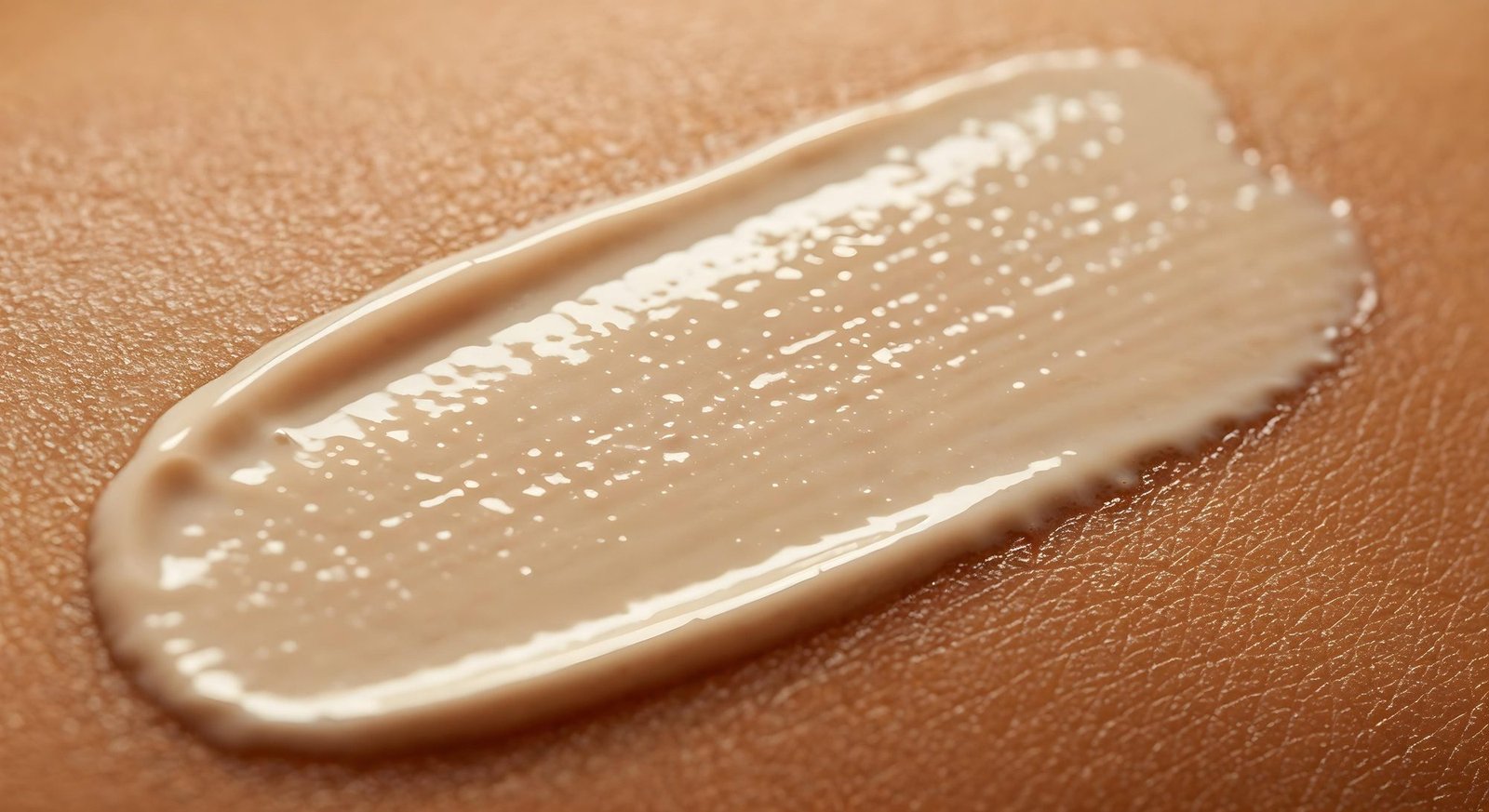
EPS provide elegant, silky glide and cushion in formulas. Even at low concentrations, they create a soft, hydrated finish without tackiness. They pair well with both water-based and emulsion systems, improving spreadability and reducing friction during application.
Rheology Modification
Because of their three-dimensional structure, marine EPS subtly adjust viscosity, giving formulas a smoother and more cohesive texture. They can stabilize gel networks or support emulsions by enhancing the aqueous phase. This dual functionality allows chemists to reduce reliance on synthetic thickeners or gums if desired.
Stability and Processing
Marine EPS generally hydrate well in the aqueous phase at moderate temperatures. Depending on the grade, they may require slow dispersion under high shear to prevent clumping. Most are stable across a pH range compatible with typical skincare, and they tolerate electrolytes better than some plant-based polysaccharides.
Compatibility With Actives
Because marine EPS do not strongly interact with most common cosmetic actives, they can be incorporated alongside peptides, niacinamide, vitamins, and humectants. However, like all anionic polymers, they should be tested with cationic conditioning polymers or quaternary compounds to prevent potential incompatibilities.
Applications in Modern Skincare
Marine exopolysaccharides fit into a wide range of formulation concepts. Their multifunctionality allows brands to address hydration, repair, and environmental defense with a single hero ingredient.
- Barrier repair serums: EPS strengthen the skin’s natural barrier, making them suitable for daily strengthening routines.
- Ultra-hydrating gel creams: These polymers enhance water distribution and deliver soft, lasting hydration.
- Urban defense formulations: EPS create protective films that reduce the impact of pollution and environmental stress.
- Post-procedure or recovery products: Their soothing, hydrating behavior supports comfort when used under professional guidance.
- Anti-aging moisturizers: EPS help refine skin texture and improve smoothness, complementing other structural actives.
Sustainability and Blue Biotechnology
One of the strongest advantages of marine exopolysaccharides is their sustainable origin. Unlike wild-harvested seaweed extracts, EPS can be produced through controlled fermentation using marine microorganisms. This method reduces pressure on marine ecosystems while providing consistent quality and traceability.
Because fermentation allows fine control of purity, molecular weight, and active profile, it supports both regulatory compliance and safety evaluation. As consumer demand grows for sustainable and biotechnology-driven actives, marine EPS fit seamlessly into modern clean-beauty positioning.
Regulatory and Safety Considerations
Marine EPS are generally considered safe for topical use and have a history of application in both skincare and medical devices. However, each EPS source must be evaluated individually. Quality control includes screening for contaminants, verifying purity, and confirming the absence of excessive heavy metals or residual process compounds.
Formulators should ensure that each EPS material is supported by appropriate documentation, including INCI listing, safety summaries, and microbiological data. Patch testing or irritation studies are recommended for formulas intended for sensitive skin or post-procedure applications.
Strategic Takeaways for Chemists
Marine exopolysaccharides offer a compelling combination of hydration, repair, and sensory improvements. Their fermentation-based production allows reliable sourcing, and their versatile behavior fits a wide range of product types. For brands seeking to build a strong blue-biotechnology story with real performance advantages, EPS represent a high-value category of actives with excellent formulation potential.
- Use EPS to strengthen skin barrier function through breathable, water-binding films.
- Combine them with humectants and peptides for synergistic hydration and repair.
- Leverage fermentation-based sourcing to communicate sustainability and biotech precision.
- Screen compatibility with cationic ingredients and perform stability checks to ensure clarity and viscosity control.
As demand continues to rise for gentle yet effective cosmetic actives, marine exopolysaccharides stand out as a next-generation solution for advanced hydration, skin repair, and protective skincare.
Research Links
- Overview of marine microbial exopolysaccharides and applications
- Bioprocessing and sustainability considerations for marine polysaccharides
- Marine biopolymers for cosmetic and biomedical use
- Hydration and film-forming effects of marine polysaccharides
- Functional properties of marine-derived polymers in skincare