Among the most powerful inspirations for next-generation skincare delivery lies within our own biology. Lipid vesicles and exosomes—microscopic carriers responsible for cellular communication—are reshaping how cosmetic actives reach their targets. In 2026, these naturally inspired systems stand at the forefront of precision beauty, guiding ingredient transport, stability, and compatibility with the skin’s biological language.
The biological foundation of intelligent delivery
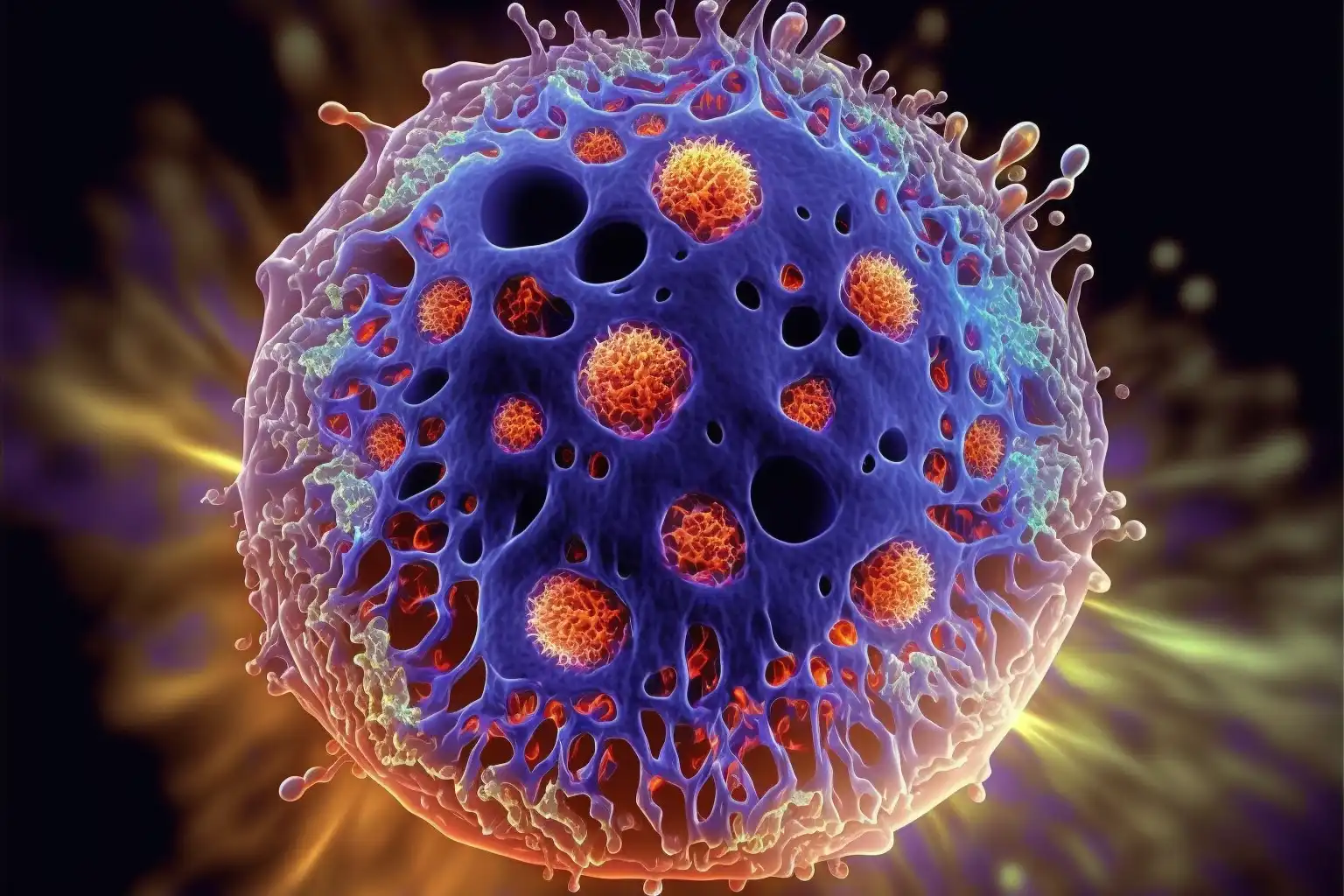
Every living cell depends on lipid vesicles to transport molecules safely across membranes. These tiny spheres, made of phospholipid bilayers, encapsulate sensitive compounds and release them precisely where needed. In the human body, a similar process occurs via exosomes—nanoscale extracellular vesicles that carry proteins, lipids, and nucleic acids between cells. Consequently, scientists have drawn inspiration from these natural carriers to engineer advanced cosmetic delivery systems that communicate with skin rather than simply coat it.
From liposomes to exosome-inspired systems
The first cosmetic liposomes appeared in the 1980s, offering a way to encapsulate both hydrophilic and lipophilic actives. Over time, they evolved into nano-liposomes and multi-layer vesicles with improved stability. By 2026, formulators are integrating exosome-mimetic vesicles—structures that not only deliver ingredients but also signal cells to activate repair pathways. As a result, these systems offer a level of biofunctionality once reserved for medical or regenerative applications.
Why lipid vesicles outperform traditional carriers
Lipid vesicles merge efficacy and biocompatibility. Because their structure mimics the skin barrier’s natural lipids, they merge seamlessly with the stratum corneum. This improves penetration without disruption, ensuring ingredients are released into targeted layers with minimal irritation. Moreover, their soft, deformable membranes can adapt to the skin’s microtopography, enabling consistent coverage even on uneven surfaces.
Compared to polymeric microcapsules, lipid vesicles offer multiple advantages: they are biodegradable, compatible with sensitive actives, and can incorporate both water- and oil-soluble ingredients. Therefore, they serve as an ideal interface between biotech innovation and clean formulation philosophy.
Types of lipid vesicles dominating 2026 innovation
Classic Liposomes
Built from phosphatidylcholine and cholesterol, classic liposomes remain a benchmark for encapsulating hydrophilic actives such as niacinamide, vitamin C derivatives, and peptides. Their lamellar membranes release actives gradually as they fuse with the skin barrier. Consequently, they enhance moisture retention and act as gentle delivery vehicles for sensitive skin types.
Nanoliposomes
Reducing liposome size to the nanoscale increases surface area and flexibility. Nanoliposomes penetrate deeper and deliver actives more efficiently without mechanical disruption. As a result, they are now a staple in serums aimed at dermal-level rejuvenation and deep hydration.
Transfersomes and Ethosomes
Transfersomes incorporate edge activators like surfactants to improve deformability, while ethosomes use ethanol to enhance lipid fluidity. These advanced vesicles can transport actives such as coenzyme Q10 and botanical extracts deeper than standard liposomes. Consequently, they are popular in anti-aging, brightening, and sun-protection applications where enhanced diffusion is desirable.
Exosome-Inspired Vesicles
Exosome-mimicking systems represent the latest evolution of lipid vesicles. Although they are not true biological exosomes, they emulate their composition—rich in phospholipids, sphingomyelin, and ceramides—and their communication behavior. Studies indicate that these carriers can trigger beneficial cellular responses such as antioxidant defense or collagen synthesis. Therefore, they represent the next stage of bio-intelligent cosmetic design.
Mechanism: communicating with skin cells
Unlike passive diffusion, exosome-inspired delivery interacts actively with skin cells. The vesicles can fuse with keratinocyte membranes or bind to receptor sites, releasing encapsulated actives directly into the cytoplasm. This mechanism mirrors intercellular signaling, turning delivery into communication. Consequently, the technology bridges topical skincare and cell-based therapy concepts.
Key formulation parameters
- Phospholipid quality: Use high-purity natural lecithin to ensure structural stability and prevent oxidation.
- Size distribution: Target 80–200 nm for optimal absorption while maintaining sensory transparency.
- Encapsulation efficiency: Balance hydrophilic and lipophilic actives through appropriate surfactant ratios.
- pH and ionic balance: Maintain near-physiological pH (5–7) to protect vesicle integrity and skin comfort.
- Storage stability: Consider lyophilization (freeze-drying) for exosome-like vesicles to improve shelf life.
Applications across beauty segments
- Anti-aging: Peptide- or growth factor-loaded vesicles stimulate collagen renewal and elasticity.
- Brightening: Liposomal niacinamide and licorice extracts target uneven tone while reducing irritation.
- Barrier repair: Exosome-inspired vesicles restore lipid balance and strengthen weakened skin barriers.
- Scalp and haircare: Lipid vesicles infused with caffeine or ceramides improve follicle health and resilience.
- Post-procedure care: Vesicular systems reduce inflammation and accelerate recovery after exfoliation or laser treatments.
Safety and regulatory perspective
All lipid vesicles used in cosmetics are composed of materials considered safe and biodegradable. Nevertheless, as these systems approach biological complexity, regulatory frameworks are evolving. The EU and U.S. FDA classify exosome-mimetic materials as cosmetic-grade only when they do not contain biologically active RNA or DNA. Therefore, formulators must ensure compliance through analytical verification of non-biological composition.
In vitro and in vivo validation
Scientific data continues to support lipid vesicle efficacy. A 2025 study showed that nano-liposomal formulations improved dermal delivery of vitamin C by 250% compared to free solutions. Similarly, exosome-like vesicles containing ceramides demonstrated significant barrier improvement and reduced transepidermal water loss. Consequently, vesicular technologies stand as one of the few delivery approaches validated by both cellular assays and clinical results.
Explore bio-inspired delivery systems
Formulators exploring biological precision can find next-generation lipid vesicle platforms—nano-liposomes, transfersomes, and exosome-inspired systems—within the Active Ingredients portfolio. Each system is engineered to merge biocompatibility, efficacy, and sustainability for future-ready formulations.
Conclusion: nature’s delivery blueprint
Lipid vesicles and exosomes offer more than just delivery—they represent communication between actives and skin. By replicating nature’s own transport mechanisms, these systems create products that feel intuitive to the body and perform with measurable precision. As we move deeper into 2026, their integration marks the true convergence of biotechnology and beauty, defining the next chapter of smart formulation design.