
Hydration plays one of the most influential roles in self tanning chemistry, yet many consumers and even some formulators overlook how strongly water content in the stratum corneum shapes final color, development speed, evenness, and undertone. Although DHA and erythrulose drive the browning reaction through the Maillard pathway, these molecules behave differently depending on the skin’s hydration state. The water present in the skin’s outer layers participates in diffusion, regulates active distribution, modifies amino acid accessibility, and affects reaction kinetics in ways that significantly transform the tanning outcome.
Because water interacts with nearly every part of the self tanning process, understanding hydration dynamics allows chemists to design more predictable, more stable, and more uniform formulas. A well-engineered hydration profile helps create smoother gradients, reduces patchiness, limits overdevelopment in dry zones, and keeps tone closer to the intended shade. Meanwhile, dehydration amplifies reactive hotspots, encourages uneven penetration, and creates deeper and warmer tones that may not match the formulated target. For this reason, hydration is not simply a cosmetic benefit; it is a core functional parameter in self tanning science.
Why Hydration Matters in Self Tanning
The stratum corneum behaves differently depending on water content. When hydration is high, the corneocytes swell slightly and expose a more uniform surface. Their protein structures soften, and their amino acids remain buried within a more hydrated matrix. This environment slows DHA’s immediate access to reactive sites, thereby moderating early-stage browning. On the other hand, when the skin is dry, the corneocytes flatten, tighten, and crack microscopically, exposing reactive amino acids directly on the surface. Consequently, DHA penetrates faster, binds more aggressively, and produces deeper initial color.
This effect explains why dry elbows, knees, hands, and ankles often develop darker than intended. It also explains why hydrating and exfoliating before self tanning dramatically improves uniformity. Because water affects the accessibility of lysine, arginine, and other reactive amino acids, hydration significantly shapes tone, warmth, and overall color strength.
The Role of Natural Moisturizing Factors
Natural moisturizing factors (NMF) help determine how well the stratum corneum retains water. NMF includes amino acids such as serine, glycine, and alanine, as well as components like urea, lactic acid, and PCA. These molecules attract water and keep it bound within the outer layers. When NMF levels are high, hydration remains stable throughout the day, promoting smoother self tanning reactions.
However, when NMF levels are low, the skin dries quickly, and water evaporates faster than usual. This creates inconsistent surface conditions that change the reaction intensity from one area to another. Because NMF levels vary naturally with age, environment, and overall skin condition, tanning results differ substantially between individuals. For this reason, understanding NMF behavior is essential for managing hydration during the self tanning process.
Hydration and Diffusion Dynamics
Self tanning formulas rely on even diffusion of actives across the skin. Diffusion occurs when molecules move from higher concentration areas to lower concentration areas. Hydration plays a major role in this process because water softens keratin structures and allows DHA and erythrulose to diffuse more evenly across the skin surface.
When hydration is low, diffusion slows dramatically, causing actives to remain where they first touch the skin. This produces streaks, concentrated patches, or uneven gradients. Because water enhances fluidity, higher hydration promotes smoother distribution and more balanced browning across the entire applied region.
How Hydration Affects DHA Penetration
DHA penetration is a function of both hydration and barrier integrity. Water acts as a carrier, temporarily expanding corneocytes and opening microchannels that allow DHA to distribute evenly. In well-hydrated skin, DHA penetrates at a controlled pace, leading to gradual development and softer transitions between shades.
In contrast, dehydrated regions present more open amino acid sites directly at the surface. This allows DHA to react quickly and intensely in specific zones. Because the penetration rate becomes inconsistent, the final appearance shows textural patterns or color differences that reflect underlying hydration differences. For consumers who do not exfoliate or hydrate before application, these inconsistencies can be significant.
Hydration and Amino Acid Reactivity
Amino acid reactivity changes dramatically depending on hydration. Lysine and arginine, the most reactive amino acids in the Maillard reaction, become more accessible and more reactive when corneocytes are dry. Their nucleophilic amine groups are exposed and react immediately with DHA. Meanwhile, in hydrated environments, water moderates and partially shields these groups, reducing the intensity of early-stage color formation.
Serine and glycine, on the other hand, become more prominent in hydrated skin. These amino acids produce cooler, more subtle tones and help balance the development curve. As a result, formulas containing erythrulose benefit greatly from elevated hydration because its slower reactivity pairs well with moderate amino acid exposure.
Why Hydration Influences Undertone
Hydration does not only affect color depth; it also affects undertone. Warm undertones emerge when lysine and arginine drive rapid browning. These amino acids produce golden and sometimes orange tones when exposed on the surface. Because dry skin increases their relative visibility, undertones become more exaggerated in dehydrated areas. Meanwhile, hydrated skin shows more influence from serine and glycine, creating more neutral or cooler tones. For this reason, undertone inconsistencies such as orange spots or overly warm patches occur more frequently when skin is dry prior to tanning.
How Humectants Improve Self Tanning Results
Because hydration is so critical, humectants play an essential role in self tanning formulas. Ingredients such as glycerin, sodium PCA, hyaluronic acid, and sorbitol attract water and keep the stratum corneum hydrated. By elevating moisture levels before and during application, humectants create conditions that improve uniformity, reduce patchiness, and encourage smoother development.
Additionally, humectants stabilize DHA and erythrulose by minimizing oxidative stress and slowing early-stage reaction rates. This gives the formula more time to distribute evenly before browning begins. Consequently, humectants function as a key tool for managing hydration dynamics within self tanning products.
Film Formers and Water Distribution
Film formers play a significant role in hydration management because they control how water evaporates and how actives remain in contact with the skin. For example, polyacrylate and polyurethane film formers create uniform films that prevent rapid water loss. This helps maintain consistent hydration across the applied region. As a result, DHA remains in a stable, balanced environment that supports smooth, uniform color development.
On the other hand, formulas without strong film formers may lose water too quickly, particularly in low-humidity environments. This rapid evaporation increases dehydration and makes browning more unpredictable. Incorporating film formers ensures that hydration and active distribution remain stable throughout the entire reaction period.
Environmental Conditions and Their Impact on Hydration
Environmental conditions influence hydration more than most users realize. Temperature, humidity, and wind all affect how much water evaporates from the skin. In dry climates, water evaporates rapidly, making self tanning outcomes more inconsistent. In humid climates, water remains on the skin longer, creating slower development that often appears smoother.
Because the Maillard reaction continues for several hours after application, environmental changes during this window can significantly modify results. For instance, stepping into a dry environment accelerates dehydration and intensifies color. Meanwhile, staying in a humid environment slows the reaction and produces more natural tones. Understanding this interplay helps chemists design formulas resilient to different climates.
Hydration Prep Strategies for More Predictable Results
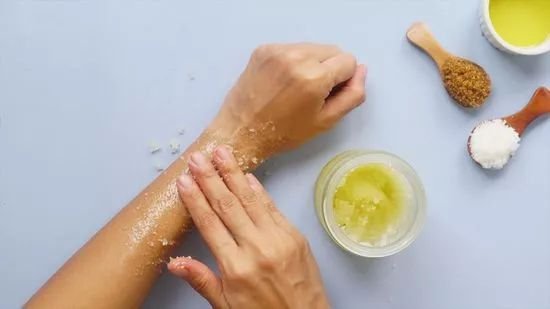
Consumers can dramatically improve their results by preparing the skin correctly. Hydration prep is essential because it aligns the skin’s water content across different regions, making development more consistent. Key preparation steps include exfoliating, applying a lightweight moisturizer, and avoiding harsh surfactants that strip lipids before tanning. These measures reduce the sharp differences in hydration levels between elbows, knees, hands, and smoother areas like the torso.
Although preparation seems simple, it has a profound impact on the final appearance. When hydration is balanced, amino acid exposure becomes more uniform, making early-stage browning more even. Because DHA reacts within hours, achieving consistent hydration before application ensures smoother gradients and reduces blotchy or uneven tones.
Hydration and Fade-Out Behavior
Hydration also affects how self tanning color fades. Dehydrated areas exfoliate faster, causing early patchiness. Meanwhile, hydrated skin exfoliates more uniformly, allowing color to fade gradually and smoothly. Because the stratum corneum naturally sheds cells at different rates depending on hydration level, the fade-out process reflects underlying water distribution.
For this reason, formulas that elevate hydration throughout the development period create tans that fade more evenly. Long-lasting hydration from humectants, emollients, and controlled evaporation systems contributes significantly to improved fade-out performance, especially in professional formulations.
Advanced Hydration Modulation in Formulation Design
Modern self tanning formulas use advanced technologies to manage hydration over extended periods. These technologies include encapsulated humectants, controlled-release moisturizers, and polymer-based water management systems. These approaches ensure that hydration remains balanced even hours after application, allowing for smoother development and more predictable outcomes.
Additionally, combining erythrulose with hydration-enhancing technologies enhances tone consistency. Because erythrulose reacts slowly and requires stable hydration for optimal performance, pairing it with advanced hydration management systems helps create premium, natural-looking results. These advanced techniques demonstrate why hydration is not simply a supporting factor but a central element of modern self tanning design.