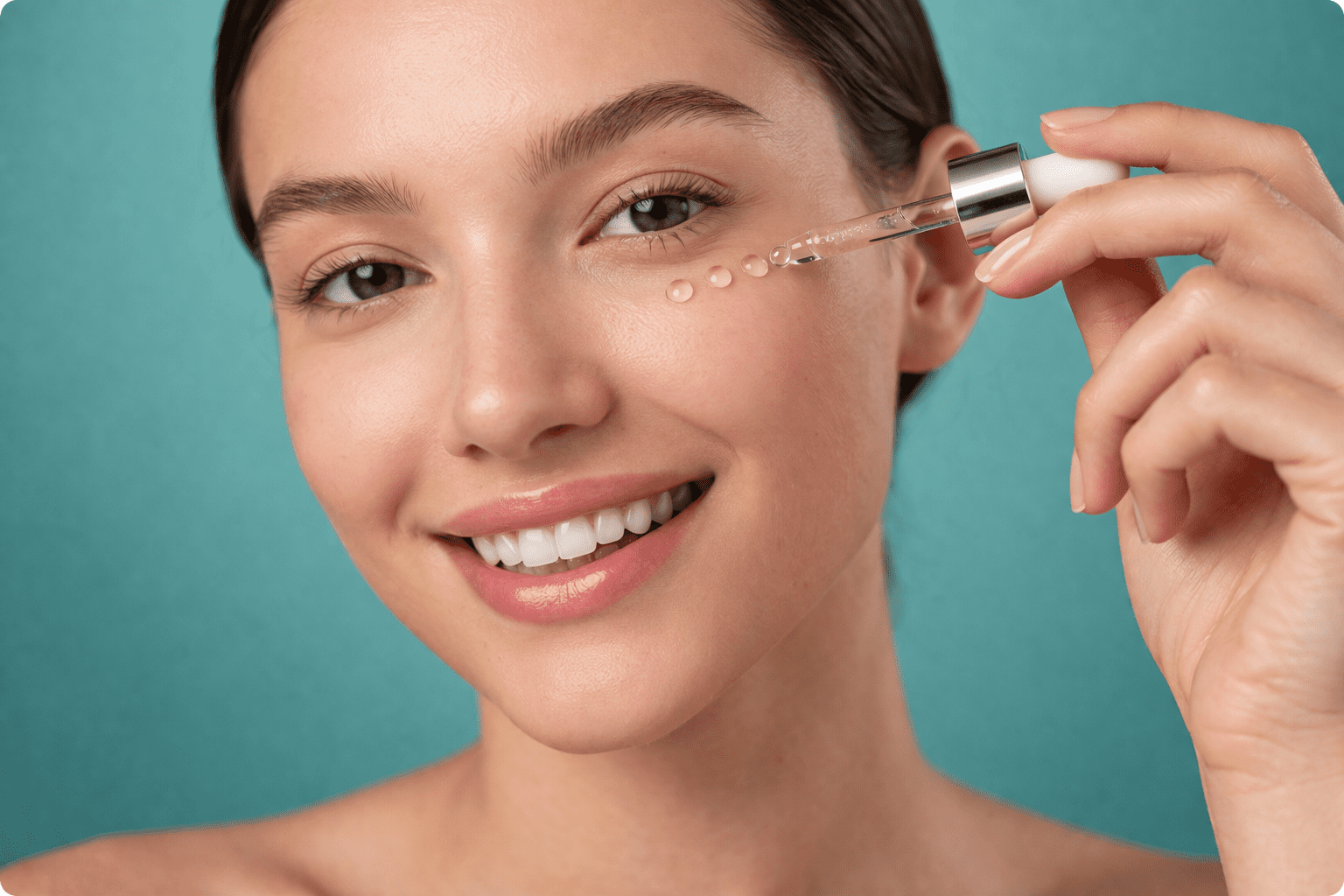
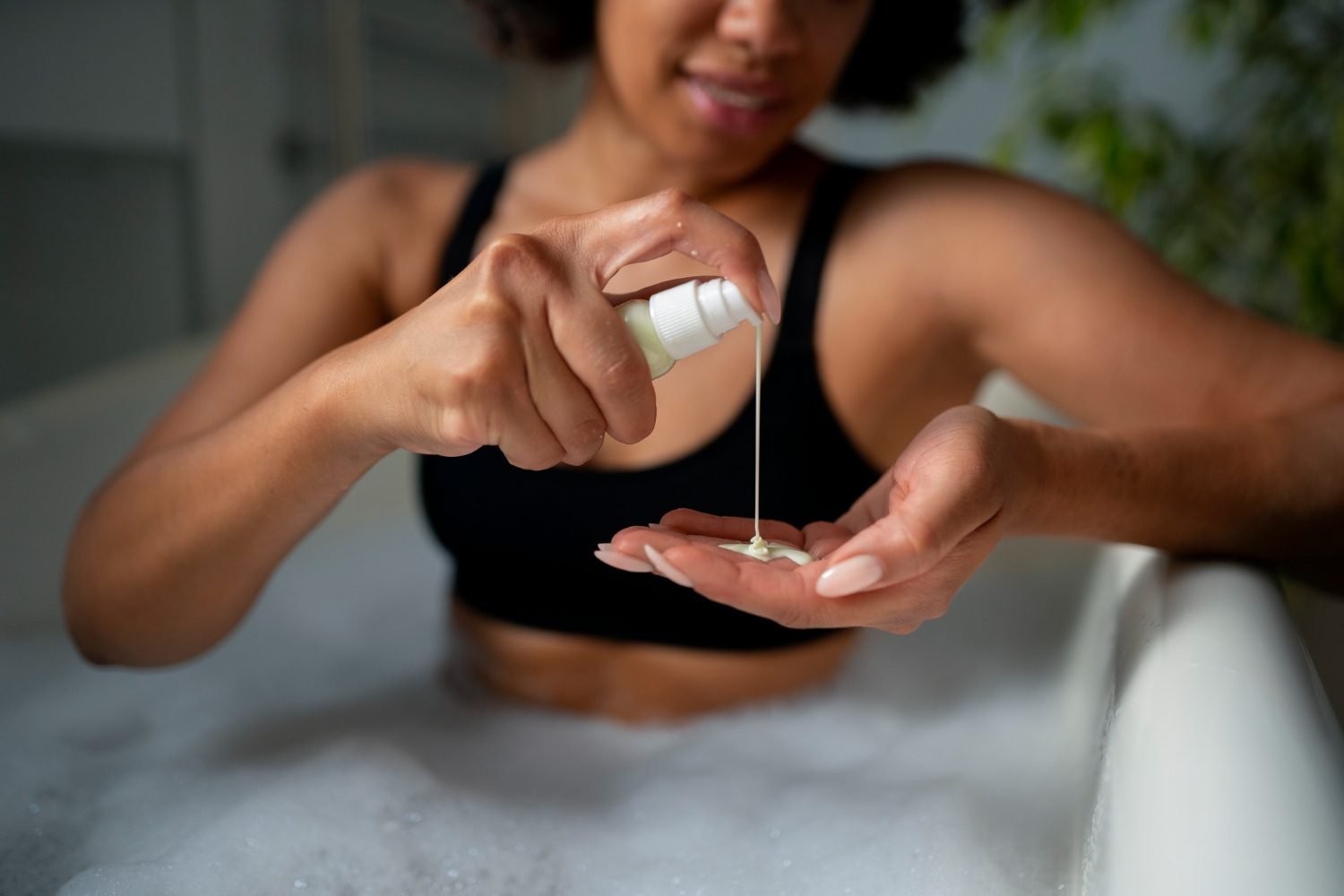
Thermo-responsive encapsulation is a next-generation delivery system engineered to release active ingredients when exposed to specific temperature thresholds. Unlike traditional carriers that release actives through passive diffusion, thermo-responsive systems remain stable until heat softens or expands the capsule shell. Consequently, this method offers controlled activation during application—such as during massage, warm water contact, or increased skin temperature—leading to enhanced absorption, heightened sensorial performance, and more efficient active delivery.
Overview of the Topic
These systems leverage materials that respond to thermal shifts, making them practical for skincare routines where heat is naturally introduced. Cleansers, masks, serums, and treatment products experience mild temperature changes during use. Thermo-responsive encapsulation transforms these routine conditions into controlled-release triggers. As a result, heat-activated systems support better penetration, improve sensory appeal, and enable creative formulation strategies across both skincare and hair care.
Scientific Context and Background Insights
Thermo-responsive materials have long been studied in biomedical applications for targeted drug release. Their defining property lies in their ability to change structure—swelling, melting, softening, or collapsing—when exposed to specific temperatures. Cosmetic scientists translate this principle into skincare by designing encapsulation shells that respond predictably to mild increases in heat, typically between 30 °C and 40 °C, aligning with real-world application behavior.
By carefully tailoring polymer compositions, lipid matrices, or hybrid structures, formulators can engineer capsules that remain intact during storage but release actives only when warmed. Consequently, this system protects sensitive ingredients such as retinol, vitamin C, peptides, and antioxidants until the ideal application moment, thereby enhancing both potency and user experience.
The Functional Mechanism Behind the Technology
Thermo-responsive encapsulation works by incorporating heat-sensitive materials into the capsule shell. These materials undergo predictable physical transitions—such as melting, phase shifting, or structural relaxation—when they reach a trigger temperature. As the shell softens, permeability increases, allowing active ingredients to diffuse outward.
This release mechanism can be tailored in several ways:
- Lipid-based shells melt at skin-temperature ranges, creating smooth, sensorial delivery.
- Polymeric shells shrink or swell when exposed to warmth, opening diffusion channels.
- Hybrid lipid–polymer matrices combine precision control with enhanced stability.
Because heat is a predictable and universally accessible trigger, thermo-responsive encapsulation offers reliable activation regardless of skin type or environmental conditions. As a result, it delivers performance consistency while remaining consumer-friendly and intuitive.
Formulation Practice and Professional Considerations
When designing thermo-responsive systems, formulators must select materials with precise melting or transition temperatures. A trigger that is too low may cause premature release during storage, while a trigger that is too high may never activate during normal use. Consequently, control of melting point, polymer glass-transition temperature (Tg), and lipid phase behavior is critical.
Formulators must also consider:
- Compatibility between actives and shell materials to prevent degradation.
- Mechanical stability during manufacturing, filling, and transport.
- Avoidance of overheated processing that could break capsules prematurely.
- Suspension stability in emulsions, gels, or anhydrous systems.
Ultimately, thermo-responsive encapsulation offers significant formulation creativity while supporting high efficacy and targeted delivery.
Regulatory Landscape and Emerging Requirements
Thermo-responsive encapsulation systems are increasingly designed using biodegradable lipids and natural-origin polymers. They align with evolving global regulations regarding microplastics, eco-friendly materials, and environmentally responsible processing. Because these shells degrade naturally after activation, they minimize environmental persistence.
Additionally, thermo-triggered delivery supports safety-oriented claims by ensuring controlled, gradual release. These claims are verifiable through thermal testing, release kinetics analysis, and stability evaluations, making them favorable in regulatory reviews and product substantiation.
Market Direction and Industry Evolution
Consumer interest in sensory-driven and high-performance skincare continues to rise. Thermo-responsive encapsulation enhances sensory engagement by creating warming-release effects, richer textures, and smooth transitions during application. This not only improves perceived luxury but also supports functional outcomes such as deeper penetration and improved ingredient activity.
Furthermore, thermo-responsive systems align with market demand for precision skincare. They offer a scientifically grounded way to protect potent actives while ensuring they reach the skin at the correct moment. As brands compete for differentiation, heat-activated encapsulation presents a compelling, innovative narrative that merges experience, science, and performance.
Application Pathways and Formulation Opportunities
Thermo-responsive encapsulation can be integrated into numerous skincare and haircare formats:
- Serums, essences, and boosters activated during gentle massage
- Creams and moisturizers releasing actives with natural skin warmth
- Cleansers and masks triggered by warm water
- Hair treatments activated by blow drying or scalp warmth
- Nail and hand treatments benefiting from mild heat exposure
Additionally, this system pairs well with multi-active formulas where certain ingredients must be protected until late in the application process. As a result, thermo-responsive encapsulation unlocks advanced formulation strategies across treatment lines, luxury skincare brands, and professional-grade products.
Comparison Overview
The comparison below outlines the differences between static delivery systems and thermo-responsive encapsulation, highlighting how heat-activated systems elevate modern formulation performance.
| Criteria | Traditional Delivery | Thermo-Responsive Encapsulation |
|---|---|---|
| Release Trigger | Passive diffusion or mechanical rupture. | Heat activation via specific temperature thresholds. |
| Stability | Actives exposed throughout shelf life. | Protected until warmed during application. |
| Performance Consistency | Variable depending on environment. | Consistent performance across skin types. |
| Sensorial Appeal | Limited improvement to user experience. | Enhanced texture and warming effects improve perception. |
| Precision | Low control over timing and location of release. | High control—release occurs at predictable temperatures. |
| Compatibility With Potent Actives | Uncontrolled exposure may cause irritation. | Controlled, heat-triggered diffusion reduces irritation. |
Forward-Looking Perspective
Thermo-responsive encapsulation represents a sophisticated evolution in skincare delivery, bridging sensory enhancement with scientific performance. As demand for high-efficacy, luxurious formulas grows, heat-activated systems will play a larger role in shaping consumer experiences and boosting product differentiation. Ultimately, thermo-responsive encapsulation is poised to become a core technology in targeted skincare, haircare, and advanced treatment formulations.