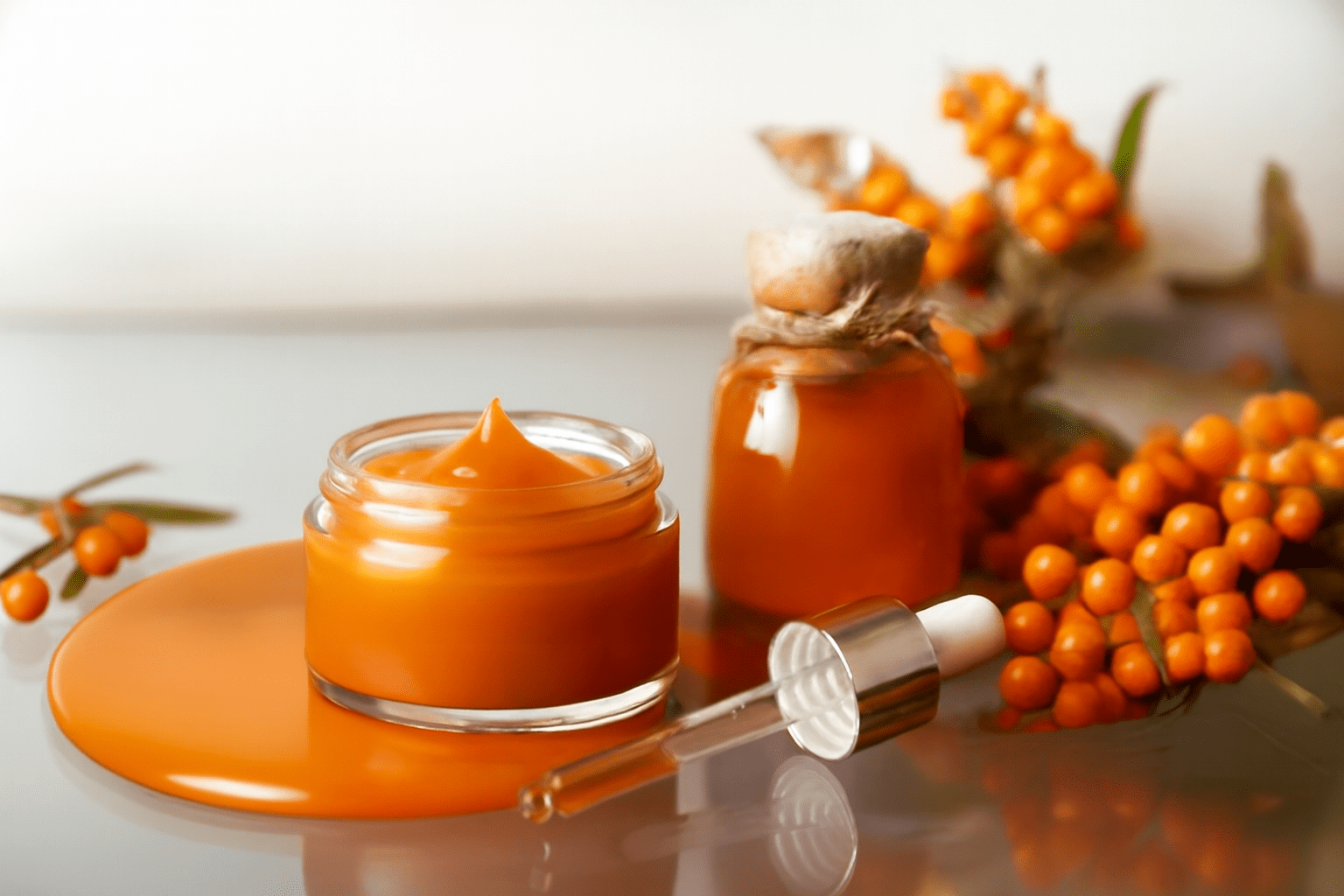

Phyto retinoid actives are plant-derived compounds capable of influencing biological pathways associated with skin renewal, collagen maintenance, and epidermal differentiation. Unlike traditional retinoids, these molecules do not rely on vitamin A metabolism. Instead, they modulate signaling mechanisms upstream of retinoic acid receptors. As a result, they promote renewal without triggering the irritation commonly associated with retinoid use.
Because phyto retinoids operate through indirect signaling rather than receptor binding, they support gradual and controlled skin turnover. Consequently, this mechanism aligns more closely with barrier preservation and long-term skin resilience. For sensitive or reactive skin types, this distinction is critical, as excessive stimulation often leads to inflammation rather than improvement.
Why Fermentation Matters in Phyto Retinoid Performance
Raw botanical extracts frequently suffer from variability, instability, and limited bioavailability. Although phyto retinoids show promise on their own, fermentation significantly enhances their functional profile. Through controlled microbial processes, fermentation transforms complex plant matrices into more bioavailable and biologically active metabolites.
During fermentation, enzymatic activity breaks down larger molecules into smaller, more skin-compatible fractions. Therefore, fermented phyto retinoids demonstrate improved dispersion, greater consistency, and reduced irritation potential. Additionally, fermentation can remove unwanted residues while concentrating active components, which further improves formulation reliability.
As a result, fermentation does not merely preserve phyto retinoid activity; it amplifies and stabilizes it. This transformation is one of the key reasons fermented phyto retinoids outperform non-fermented botanical alternatives.
Key Botanical Sources of Phyto Retinoid Activity
Several plant sources have been identified as possessing retinoid-like biological activity. Among these, Bidens pilosa is one of the most studied. Extracts from this plant have demonstrated the ability to influence gene expression associated with collagen synthesis and epidermal renewal without converting into retinoic acid.
Similarly, achiote-derived carotenoid analogs exhibit signaling behavior that mimics certain retinoid functions. In addition, plant sterols and specific polyphenolic compounds have shown potential in modulating pathways involved in skin structure and elasticity. However, these raw materials often vary significantly in potency.
Therefore, fermentation plays a critical role in standardizing these botanical sources. By stabilizing bioactive fractions, fermentation ensures reproducible performance across batches and formulations.
Molecular Mechanisms of Action
Fermented phyto retinoid actives influence multiple molecular pathways associated with skin renewal. Rather than accelerating desquamation, they regulate gene expression involved in keratinocyte differentiation and extracellular matrix maintenance. Consequently, renewal occurs through biological signaling instead of mechanical exfoliation or chemical stress.
In addition, fermented phyto retinoids support antioxidant defense systems within the skin. By reducing oxidative stress, they help protect collagen and elastin from degradation. This effect further contributes to improved skin texture and resilience over time.
Sensitive Skin Compatibility and Tolerance
Sensitive skin is characterized by heightened inflammatory responses, impaired barrier function, and altered neurosensory signaling. Therefore, actives designed for this skin type must avoid triggering stress pathways. Fermented phyto retinoid actives meet this requirement by delivering low-intensity, sustained signaling.
Furthermore, fermentation reduces the likelihood of irritation by minimizing reactive compounds commonly present in raw plant extracts. As a result, fermented phyto retinoids are better tolerated even with consistent use.
Interaction With the Skin Microbiome
The skin microbiome plays an essential role in barrier integrity and immune regulation. Aggressive actives can disrupt this ecosystem, leading to increased sensitivity and inflammation. In contrast, fermented phyto retinoid actives interact favorably with the microbiome.
Fermented metabolites often resemble naturally occurring postbiotic compounds. Consequently, they are less likely to disturb microbial balance. Instead, they may support beneficial signaling between keratinocytes and commensal microorganisms.
Comparison: Fermented Phyto Retinoids vs Traditional Retinoids
| Attribute | Fermented Phyto Retinoids | Traditional Retinoids |
|---|---|---|
| Vitamin A content | None | Present |
| Retinoic acid conversion | No | Yes |
| Irritation risk | Low | Moderate to high |
| Photosensitivity | No | Yes |
| Barrier compatibility | High | Often compromised |
Formulation Design Considerations
From a formulation standpoint, fermented phyto retinoid actives integrate well into emulsions, serums, and barrier-focused systems. Because they do not require encapsulation to mitigate irritation, formulators have greater flexibility in texture and delivery design.
Additionally, these actives demonstrate good compatibility with other fermented ingredients. Therefore, they allow formulators to create retinol-inspired products without the formulation challenges associated with vitamin A derivatives.
Regulatory and Market Relevance
Because fermented phyto retinoids do not fall under retinoid-specific regulations, they offer greater flexibility across global markets. From a market perspective, they align with demand for gentle, biotech-driven skincare solutions.
Future Outlook for Fermented Retinol Alternatives
As fermentation technology advances, the efficacy and consistency of phyto retinoid actives are expected to improve further. Consequently, fermented phyto retinoids are likely to become foundational components of next-generation skincare formulations.