
Niacinamide, also known as Vitamin B3, has long served as a skincare staple, known for improving skin tone, boosting hydration, and reducing fine lines. However, when manufacturers ferment this ingredient, it becomes even more effective. Fermented niacinamide enhances skin brightening, boosts stability, and works well for those with sensitive skin who need gentle formulations. In this blog, we explore the remarkable benefits and the science behind this breakthrough ingredient in modern skincare.
What is Fermented Niacinamide?
Fermented niacinamide is a niacinamide derivative that undergoes fermentation. During the fermentation process, beneficial bacteria break down niacinamide into more bioavailable forms. This transformation helps improve absorption into the skin and enhances the ingredient’s effectiveness. Additionally, fermentation stabilizes the ingredient, ensuring it resists environmental degradation, such as from exposure to light or air.
Benefits of Fermented Niacinamide for Skin
1. Enhanced Skin Brightening
Fermented niacinamide helps target dark spots and uneven skin tone. It inhibits melanin production, which fades hyperpigmentation over time. Unlike many harsh brightening agents, fermented niacinamide offers a gentler solution for brightening without irritation. This method provides long-term results for an even complexion.
2. Stability and Longevity in Formulations
Niacinamide, in its raw form, degrades when exposed to light and air. Fermented niacinamide, however, undergoes a transformation during fermentation that enhances its stability. This increased stability allows it to maintain its potency throughout the life of the product. Consequently, consumers benefit from a more reliable and longer-lasting product.
3. Improved Absorption and Efficacy
During fermentation, the breakdown of niacinamide molecules results in smaller, more easily absorbed particles. This increases the ingredient’s bioavailability, allowing it to penetrate deeper into the skin. With better absorption, the skin experiences faster and more noticeable results.
4. Reduced Inflammation and Redness
Fermented niacinamide exhibits anti-inflammatory properties that reduce redness and irritation. It supports the skin’s natural barrier, making it an excellent option for sensitive or reactive skin. By soothing irritation, fermented niacinamide enhances comfort and improves overall skin health.
How Fermented Niacinamide Works: The Science Behind It
Fermentation does more than stabilize niacinamide; it also enhances its antioxidant properties. During fermentation, the bacteria break down niacinamide into smaller, more effective molecules that neutralize free radicals. Free radicals are a significant contributor to skin aging, so this enhanced antioxidant power protects the skin from oxidative stress and environmental damage.
Mechanism of Action
Fermented niacinamide works by inhibiting melanin transfer to skin cells. This reduction in melanin production helps fade dark spots and uneven pigmentation. At the same time, it strengthens the skin’s barrier, improving moisture retention and protection against environmental stressors. This dual action of brightening and barrier repair makes fermented niacinamide a versatile and effective skincare ingredient.
Formulation Tips for Incorporating Fermented Niacinamide
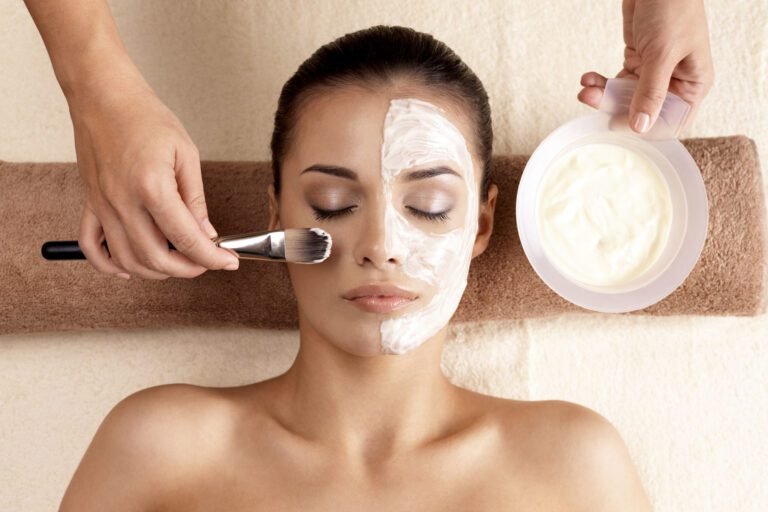
Fermented niacinamide appears in various skincare products, including serums, moisturizers, and face masks. To maximize the benefits of this ingredient, consider the following tips:
- Combine with Hydrating Ingredients: Fermented niacinamide works best when paired with ingredients like hyaluronic acid or glycerin. This combination boosts moisture retention while targeting discoloration.
- Layering: Apply fermented niacinamide serum after cleansing and before moisturizing to optimize absorption.
- Use Sunscreen: Always follow up with sunscreen during the day. Niacinamide helps brighten skin, but UV exposure can worsen pigmentation, so protection is essential.
Conclusion
Fermented niacinamide has gained recognition for its ability to brighten skin, improve stability, and cater to sensitive skin. Its enhanced absorption and reduced irritation make it a valuable ingredient in skincare. As more brands incorporate fermented niacinamide into their formulations, consumers can look forward to even more effective and gentle skincare products.
Research Links: