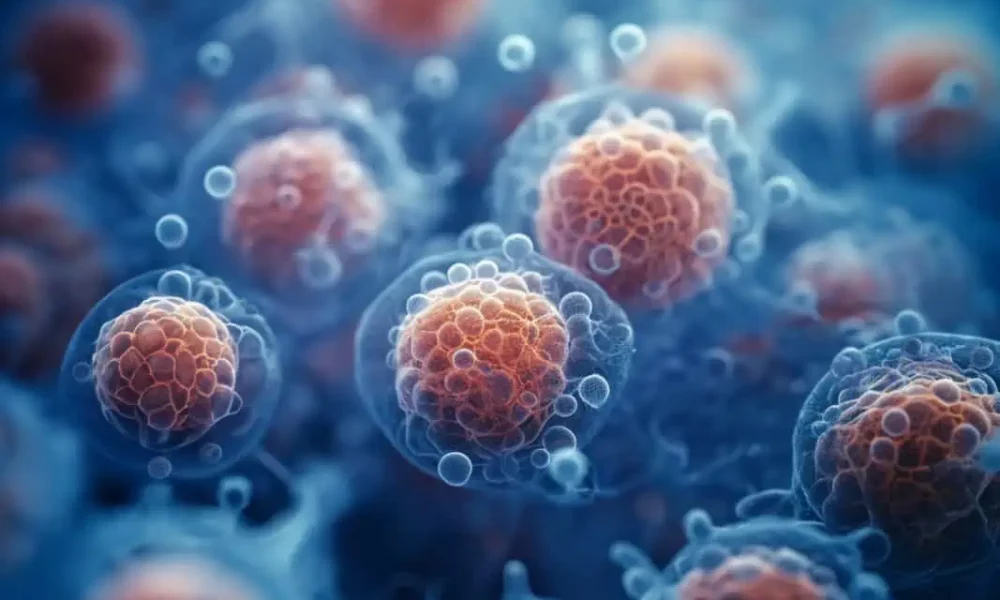
Exosome uptake pathways determine whether extracellular vesicles deliver meaningful biological signals or remain biologically inert after application. While much attention in cosmetic marketing focuses on penetration or delivery technologies, cellular uptake is the step that actually defines biological relevance.
In skin and scalp applications, exosomes do not act simply by reaching the surface. They must be recognized, internalized, and processed by specific cell types. Without proper uptake, even cargo-rich vesicles fail to influence cellular behavior.
Uptake Is Not Penetration
Penetration describes movement through the stratum corneum. Uptake describes cellular internalization. These processes are fundamentally different.
Exosomes may localize at the epidermal surface or follicular openings, yet still remain biologically inactive if cells do not internalize them. Uptake pathways therefore represent the true functional bottleneck of exosome performance.
Primary Cellular Uptake Mechanisms for Exosomes
Clathrin-Mediated Endocytosis
Clathrin-mediated endocytosis is one of the most common uptake pathways for exosomes in keratinocytes and fibroblasts. Vesicles bind to membrane-associated receptors and are internalized into endosomal compartments.
This pathway favors signaling modulation rather than cytoplasmic delivery. Cargo such as microRNAs and signaling proteins often influence downstream pathways from endosomal locations.
Caveolin-Dependent Endocytosis
Caveolin-mediated uptake occurs through cholesterol-rich membrane domains. This pathway is particularly relevant in fibroblasts and endothelial-associated cells.
Exosomes internalized through caveolae may bypass lysosomal degradation, increasing the likelihood of functional cargo activity.
Macropinocytosis
Macropinocytosis involves nonspecific membrane ruffling and fluid-phase uptake. This pathway becomes more active under stress or inflammatory conditions.
In compromised skin or scalp environments, macropinocytosis may represent a dominant uptake route, influencing tolerance and response variability.
Direct Membrane Fusion
In some cases, exosomal membranes fuse directly with the cell membrane, releasing cargo into the cytoplasm.
This mechanism depends heavily on lipid composition and membrane compatibility. Plant-derived and fermented exosomes may favor indirect signaling routes rather than direct fusion.
Cell-Type Specific Uptake in Skin
Keratinocytes
Keratinocytes primarily internalize exosomes via clathrin-mediated pathways. Uptake influences differentiation signaling, stress response, and inflammatory modulation.
Keratinocyte uptake is tightly regulated and favors tolerance over aggressive stimulation.
Fibroblasts
Fibroblasts exhibit multiple uptake mechanisms, including caveolin-dependent endocytosis and macropinocytosis.
Exosome uptake in fibroblasts affects extracellular matrix signaling, oxidative balance, and cellular longevity pathways.
Immune-Associated Skin Cells
Langerhans cells and dermal immune cells selectively internalize vesicles based on surface markers and lipid composition.
This selectivity plays a role in immune tolerance and inflammatory modulation.
Uptake Pathways in the Scalp and Hair Follicle
Follicular Epithelium
Hair follicles provide a unique anatomical environment where exosomes can localize within the follicular canal.
Follicular keratinocytes exhibit uptake behaviors distinct from interfollicular epidermis, often favoring endocytic pathways linked to metabolic signaling.
Dermal Papilla Cells
Dermal papilla cells regulate follicular microenvironment signaling. Exosome uptake here is tightly controlled and highly sensitive to cargo balance.
Uptake favors regulatory signaling rather than proliferative stimulation, aligning with cosmetic compliance.
Factors Influencing Uptake Efficiency
Vesicle Size and Surface Charge
Uptake efficiency varies with vesicle diameter and zeta potential. Extremely small or highly charged vesicles may be internalized differently across cell types.
Lipid Composition
Membrane lipids influence receptor recognition and membrane interaction. Phospholipid and sphingolipid profiles strongly affect uptake pathways.
Cellular Stress State
Cells under oxidative or inflammatory stress alter uptake behavior. This variability explains why exosome performance may differ between healthy and compromised skin.
Why Uptake Is Preferable to Forced Penetration
Forcing penetration through aggressive delivery systems can disrupt barrier integrity and increase irritation risk.
Exosomes rely on biological recognition rather than mechanical penetration, supporting long-term tolerance.
Misconceptions About Exosome Uptake
A common misconception is that deeper penetration automatically yields better results. In reality, superficial uptake by responsive cells is often sufficient for signaling modulation.
Another misconception is that uptake equals immediate activity. Cellular processing time and intracellular routing determine response timing.
Formulation Implications for Cosmetic Chemists
Formulators must preserve vesicle integrity and surface characteristics that enable uptake. Excess surfactants, extreme pH, and high ionic strength can impair recognition.
Minimalist formulations often outperform complex systems when working with exosomes.
Safety and Regulatory Considerations
Uptake-based signaling avoids drug-like activity by supporting adaptive cellular responses rather than forcing biological outcomes.
This distinction is critical for maintaining cosmetic classification.
Comparison of Exosome Uptake Pathways in Skin and Scalp Cells
| Uptake Pathway | Primary Cell Types | Biological Role | Cargo Fate | Cosmetic Relevance |
|---|---|---|---|---|
| Clathrin-Mediated Endocytosis | Keratinocytes, epidermal cells | Receptor-guided internalization | Endosomal signaling modulation | Supports differentiation, stress response, barrier tolerance |
| Caveolin-Dependent Endocytosis | Fibroblasts, endothelial-associated cells | Cholesterol-rich membrane uptake | Reduced lysosomal degradation | Favors matrix signaling and longevity pathways |
| Macropinocytosis | Stressed or inflamed skin cells | Fluid-phase, non-specific uptake | Variable intracellular processing | Relevant in compromised skin and reactive scalp states |
| Direct Membrane Fusion | Selective cell types | Membrane lipid compatibility-driven entry | Immediate cytoplasmic cargo release | Limited role in cosmetics; higher control required |
| Follicular Uptake Pathways | Follicular keratinocytes, dermal papilla | Anatomical localization and niche signaling | Regulatory, microenvironment modulation | Critical for scalp health and hair-support systems |
Future Direction: Uptake-Informed Design
Next-generation exosome systems will be designed around uptake optimization rather than penetration metrics.
Understanding which pathways dominate in specific skin and scalp contexts will allow more predictable and reproducible cosmetic performance.