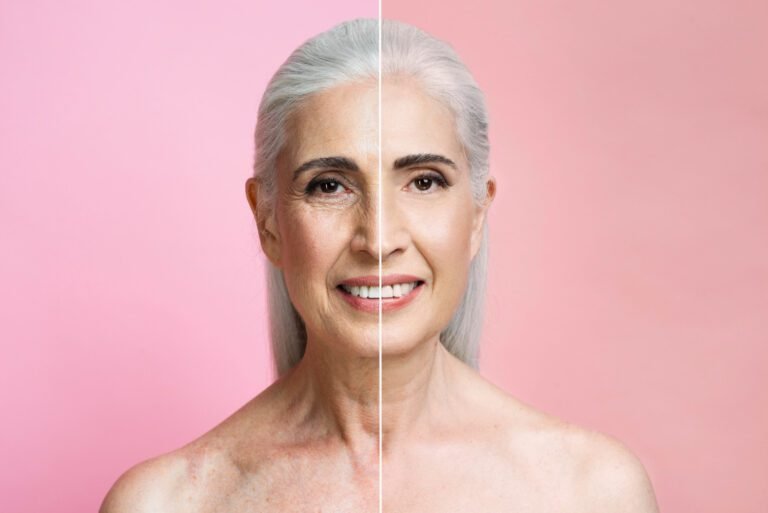

Encapsulated vitamin C has become one of the most significant advancements in modern skincare science, largely because traditional vitamin C derivatives often struggle with instability, oxidation, and irritation. As consumers demand brighter, firmer, and more resilient skin, formulators increasingly rely on encapsulation technologies to deliver vitamin C in its most potent and long-lasting state. Because encapsulated forms resist oxidation and degrade much more slowly, they retain higher efficacy throughout a product’s lifecycle. Consequently, encapsulated vitamin C has emerged as a core technology for next-generation brightening, antioxidant, and collagen-supporting skincare formulas.
Overview of the Topic
Vitamin C is one of the most widely studied cosmetic actives due to its remarkable ability to brighten skin, reduce pigmentation, support collagen synthesis, and neutralize free radicals. However, conventional vitamin C solutions often oxidize quickly when exposed to light, air, or heat. This rapid breakdown not only diminishes performance but also affects product color, scent, and stability. Encapsulation changes this dynamic entirely. By surrounding vitamin C with a protective barrier, encapsulation slows oxidation, preserves potency, and enhances penetration. As a result, encapsulated vitamin C offers a more predictable and effective user experience. Because of these advantages, encapsulated vitamin C has become essential in high-performance serums, brightening creams, and professional skincare systems.
Scientific Context and Background Insights
Vitamin C exists in several cosmetic forms, including ascorbic acid, sodium ascorbyl phosphate, magnesium ascorbyl phosphate, and 3-O-ethyl ascorbic acid. Although each form offers unique advantages, stability remains the central challenge for all vitamin C derivatives. Pure ascorbic acid, for instance, oxidizes rapidly and frequently turns yellow or brown inside formulations. Encapsulation protects vitamin C from direct exposure to oxygen, moisture, and reactive ingredients. Consequently, it ensures that the molecule remains intact for longer periods. Because encapsulation creates a micro-environment that supports stability, the active remains more bioavailable when applied to the skin.
Another critical advantage involves irritation reduction. Highly acidic vitamin C serums can cause stinging, redness, or dryness, especially for sensitive skin. Encapsulation allows formulators to deliver vitamin C gradually, reducing direct contact with the skin surface. This controlled-release approach improves tolerability and enables higher-strength formulas without discomfort. Furthermore, encapsulated vitamin C works harmoniously with other active ingredients. Because the active is isolated within a carrier, it is less likely to react with niacinamide, peptides, retinoids, or acidic compounds. This compatibility opens the door for multi-active brightening systems that maintain stability and long-term performance.
The Functional Mechanism Behind the Technology
Encapsulated vitamin C functions through a highly structured delivery method where the active ingredient is enclosed within a protective shell, such as lipid vesicles, biopolymeric capsules, silica microcarriers, or hybrid nanospheres. This protective barrier prevents premature oxidation while allowing the active to penetrate the skin more effectively. Because encapsulation slows down environmental exposure, the vitamin C remains potent during storage and throughout daily use. Additionally, encapsulation ensures that vitamin C is released slowly and steadily over time. This gradual diffusion not only enhances safety but also maximizes its antioxidant and brightening effects.
Encapsulation also improves skin absorption. Vitamin C is water-soluble and typically struggles to pass through the lipid-rich layers of the stratum corneum. Lipid-based encapsulation systems mimic the skin’s natural structure, helping the molecule reach deeper layers where collagen synthesis and antioxidant activity have the most visible impact. As a result, encapsulated vitamin C delivers higher efficacy compared to free vitamin C, even at similar concentrations. Moreover, controlled-release encapsulation extends the active window, allowing vitamin C to work throughout the day rather than delivering a single, short-lived dose.
Formulation Practice and Professional Considerations
Encapsulated vitamin C gives formulators much greater flexibility when designing products. Because stability improves dramatically, formulators can build elegant textures and modern minimal-emulsifier systems without worrying about rapid oxidation or discoloration. Consequently, encapsulated vitamin C enhances the longevity and visual appeal of finished products. Additionally, encapsulation supports transparent or lightly tinted formulations, which are traditionally difficult to maintain with unencapsulated vitamin C because of rapid browning.
Encapsulation also enhances compatibility with a wide range of cosmetic actives. Formulators often combine vitamin C with hyaluronic acid, peptides, ceramides, resveratrol, tranexamic acid, and PDRN-inspired repair complexes. In unencapsulated systems, vitamin C may degrade or destabilize these ingredients. However, encapsulation isolates the molecule, enabling stable multi-active skincare formulations. Consequently, brands can create more comprehensive brightening and anti-aging systems that support multiple skin concerns simultaneously.
Furthermore, encapsulation reduces the need for strict pH conditions. Free vitamin C requires a low pH to remain stable, which may cause irritation. Encapsulated systems maintain stability even in moderate-pH environments, allowing for gentler formulations with improved comfort. Because of this advantage, encapsulated vitamin C has become popular in moisturizers, lotions, and eye treatments that traditionally avoided strong vitamin C due to sensitivity concerns.
Regulatory Landscape and Emerging Requirements
As the cosmetic industry moves toward cleaner formulations and microplastic-free regulations, encapsulation technologies have evolved to rely on biodegradable matrices and sustainable delivery systems. Modern encapsulated vitamin C carriers often include natural biopolymers, phospholipids, and lipid nanoparticles that comply with global regulations. Because many markets are becoming stricter about oxidation-byproduct safety and ingredient stability, encapsulated vitamin C aligns with regulatory expectations for reliability, safety, and environmental responsibility.
Moreover, encapsulated vitamin C supports transparent labeling and consumer trust. Products that maintain color, aroma, and performance over time avoid negative consumer perceptions associated with oxidation. Because the ingredient remains stable, brands can present accurate efficacy claims and maintain high consistency throughout a product’s lifecycle. Consequently, encapsulated vitamin C enhances both regulatory compliance and consumer satisfaction.
Market Direction and Industry Evolution
Vitamin C remains one of the most demanded ingredients in global skincare, and encapsulated versions are shaping the future of the category. Because consumers expect brightening, firming, and antioxidant benefits without irritation, encapsulated vitamin C has become a central technology for premium, dermocosmetic, and biotech-driven skincare lines. Moreover, younger demographics incorporate vitamin C into preventive anti-aging routines, increasing long-term demand for stable, gentle, and effective formulas.
Encapsulated vitamin C also aligns with broader market trends emphasizing multi-step serums, potent boosters, barrier-supportive moisturizers, and hybrid treatments that combine antioxidant protection with hydration and repair. Because encapsulated vitamin C supports synergistic interaction with other actives, it enables more complex formula architectures that deliver layered benefits. As a result, encapsulated vitamin C is emerging as a foundational ingredient in modern skin longevity strategies.
Application Pathways and Formulation Opportunities
Encapsulated vitamin C can be incorporated into serums, creams, moisturizers, masks, essences, oil-based formulas, water-gel systems, and advanced emulsion structures. Because the encapsulated form resists oxidation, formulators can create lighter textures that remain clear and stable over time. Additionally, encapsulated vitamin C pairs exceptionally well with UV-protective formulas, brightening systems, and collagen-supporting treatments. Because encapsulation limits interaction with sensitive ingredients, the active can coexist with retinoids, niacinamide, peptides, and exfoliating acids in sophisticated multi-active systems.
Furthermore, encapsulated vitamin C enhances the performance of formulas targeting dullness, hyperpigmentation, sun damage, photoaging, and uneven skin tone. Its controlled-release profile ensures continued antioxidant protection throughout the day, making it a highly effective ingredient for daily use. As a result, encapsulated vitamin C expands formulation possibilities across both mass-market and luxury skincare segments.
Forward-Looking Perspective
Encapsulated vitamin C will play a pivotal role in future formulation strategies as brands seek reliable, elegant, and scientifically advanced delivery systems. Because consumers increasingly expect long-lasting performance and stable results, encapsulation technologies will continue to evolve toward more efficient, biodegradable, and skin-intelligent platforms. Additionally, encapsulated vitamin C is poised to integrate more deeply into longevity-focused skincare, where antioxidant protection, collagen support, and barrier preservation are essential. Ultimately, encapsulated vitamin C represents a transformative advancement that aligns efficacy, stability, and sensory experience with the demands of modern skincare.