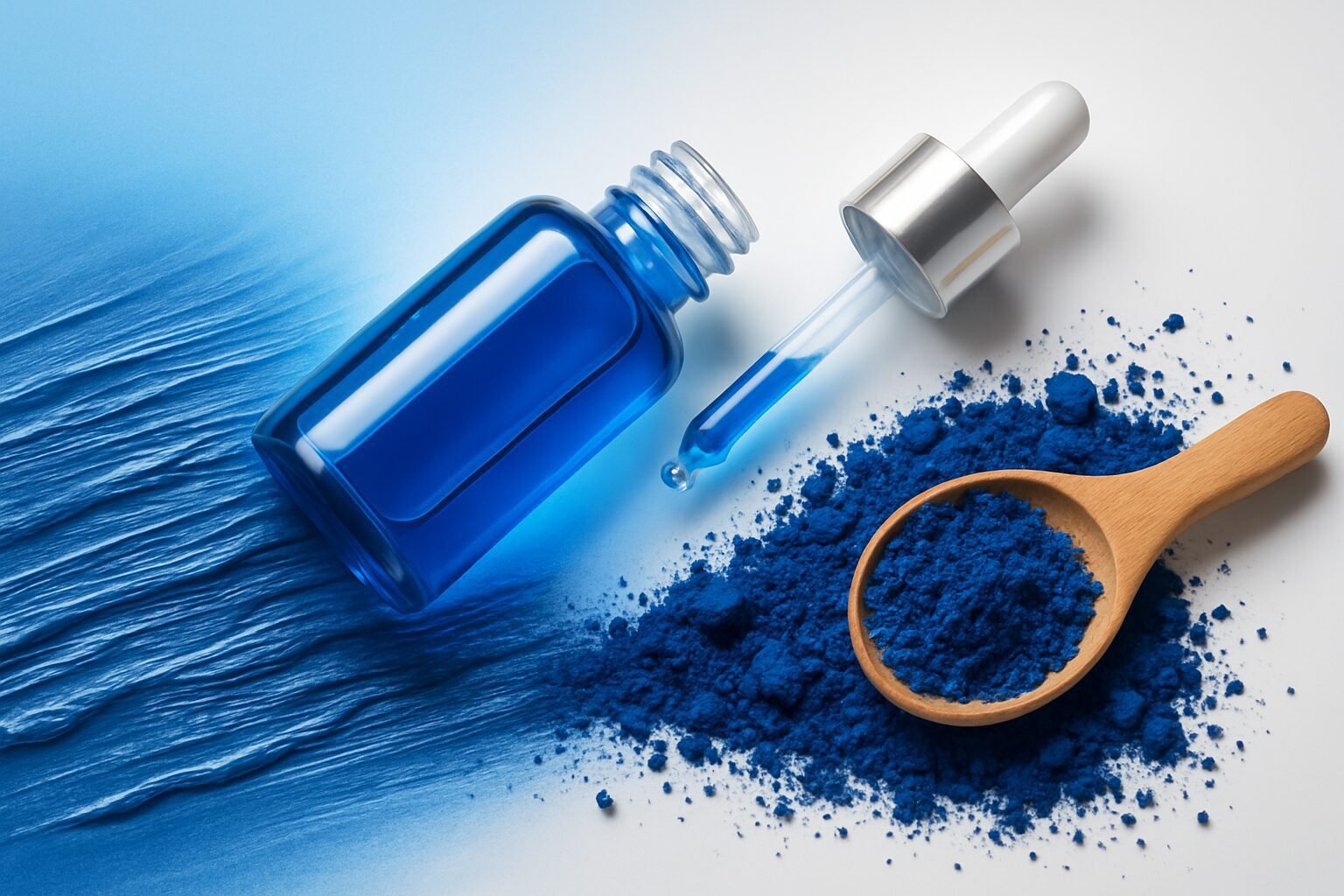
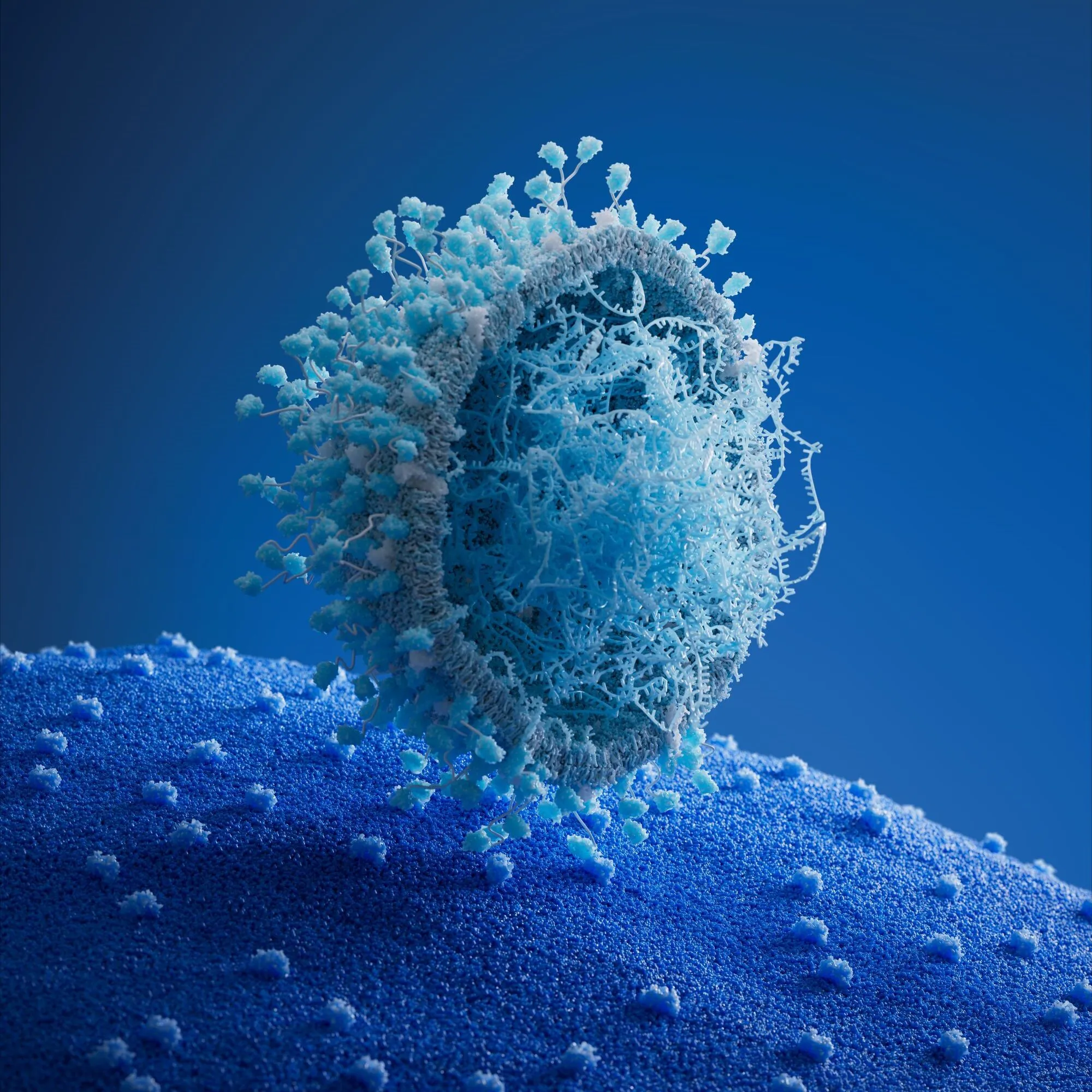
Encapsulated retinoids have become one of the most important innovations in modern cosmetic formulation, especially as demand increases for powerful anti-aging ingredients that deliver visible results without compromising skin comfort. Because traditional retinoids are known to cause redness, dryness, and irritation, encapsulation technologies offer a transformative approach that allows formulators to deliver high potency with significantly improved tolerance. As the skincare market shifts toward longevity science, barrier-supportive actives, and microplastic-free formulations, encapsulated retinoids represent a breakthrough solution that aligns performance, stability, and consumer experience in a single delivery platform.
Overview of the Topic
Retinoids remain central to high-performance skincare because they influence several key pathways associated with visible aging. Although they remain a gold standard, traditional forms such as retinol and retinaldehyde are highly unstable when exposed to light, heat, or oxygen. As a result, formulators often struggle to maintain potency throughout the product lifecycle. Encapsulation solves these limitations by protecting the retinoid molecule and releasing it gradually into the skin. Moreover, encapsulated systems create smoother, gentler formulations that users can apply more frequently. This is especially important as consumers increasingly search for effective solutions that feel comfortable, predictable, and compatible with other active ingredients.
Scientific Context and Background Insights
Retinoids work by accelerating cellular turnover, stimulating collagen production, and supporting a healthier epidermal structure. However, these mechanisms can also be disruptive when the active is delivered too quickly or too aggressively. Because of this, encapsulated delivery systems use a protective matrix that slows diffusion and minimizes irritation while still maintaining biological effectiveness. Furthermore, encapsulation shields retinoids from environmental exposure, which dramatically improves stability. This enhanced stability allows the molecule to remain active for longer periods, even in challenging formulations such as lightweight emulsions or water-containing systems. As a result, encapsulated retinoids offer reliable performance across a wider range of product formats.
Another scientific advantage involves compatibility. Traditional retinoids may destabilize emulsions, oxidize surrounding ingredients, or react with sensitive actives. Encapsulation reduces direct molecular contact, which allows formulators to pair retinoids with supportive ingredients such as niacinamide, peptides, ceramides, and microbiome-friendly postbiotics. Because these support systems help reinforce the skin barrier, the combined effect improves overall tolerability and enhances the anti-aging outcome. Consequently, encapsulated retinoids expand the possibilities for multi-active, high-performance cosmetic formulations that respect the delicate balance of the skin.
The Functional Mechanism Behind the Technology
Encapsulated retinoids rely on controlled-release technology to deliver the active molecule gradually into the epidermis. Since the retinoid remains enclosed within a carrier, the initial exposure to the skin is softened, which helps reduce redness and flaking. Additionally, this controlled-release approach offers a more predictable delivery profile, ensuring that the active reaches the layers where it can influence collagen production and cellular renewal. As a result, performance improves while irritation decreases. Moreover, some encapsulation systems respond to specific triggers such as pH or temperature, which means the retinoid can be delivered more selectively. This targeted approach increases efficiency and maintains better harmony with the skin barrier.
Because encapsulated systems are physically separated from the external environment, they also experience fewer oxidative reactions. Consequently, the retinoid maintains its structure for a longer period. In conventional systems, oxygen exposure rapidly degrades retinol, leading to discoloration and loss of effectiveness. Encapsulation prevents these reactions and creates a more stable and reliable ingredient profile. Through this improved stability, formulators can avoid over-dosing to compensate for degradation. This contributes to more balanced formulations that meet both performance and sustainability goals.
Formulation Practice and Professional Considerations
Formulators benefit significantly from encapsulated retinoids because they simplify product development and create greater formulation flexibility. For example, encapsulated retinoids can be incorporated more easily into water-based systems, lightweight textures, transparent gels, or hybrid emulsions. Since stability and irritation are key challenges in retinoid formulation, encapsulated systems help overcome both. As a result, formulators can design products with improved sensory profiles and more consistent performance. Additionally, encapsulation supports pairings with multitasking systems such as antioxidant blends, barrier-supportive lipids, or regenerative biomolecules. Because the retinoid remains protected, these combinations remain stable and synergistic.
Another important aspect involves consumer usability. Many consumers discontinue retinoids due to peeling, redness, or dryness. Encapsulation helps reduce these effects, which increases compliance and improves long-term results. Since consistency is one of the most important factors in anti-aging outcomes, encapsulated retinoids help close the gap between user experience and scientific performance. Moreover, encapsulation enables retinoid delivery in lower concentrations while still achieving meaningful results. This helps brands appeal to a wider audience, including those who prefer gentler routines or have reactive skin.
Regulatory Landscape and Emerging Requirements
As global regulations evolve, especially in regions focused on microplastic restrictions and ingredient transparency, encapsulated retinoids offer a forward-looking solution. Many innovative delivery systems now use biodegradable polymers, lipid-based nanoparticles, or bioinspired matrices that comply with new environmental regulations. Because encapsulated retinoids are more stable, they reduce the need for high-risk formulation practices or reactive stabilizers. This supports cleaner labels and aligns with global sustainability expectations. Moreover, encapsulation minimizes the irritation profile, which helps brands develop claims related to sensitive skin compatibility and barrier protection. Consequently, encapsulated retinoids sit at the intersection of scientific rigor, regulatory compliance, and consumer trust.
Market Direction and Industry Evolution
The skincare market is moving rapidly toward longevity science, barrier intelligence, and multi-active synergy. As a result, encapsulated retinoids have become foundational to next-generation product development. Demand continues to increase because consumers seek powerful results without harsh side effects. In addition, younger demographics have started using retinoids earlier as part of preventive skincare routines. Consequently, brands must offer gentler, more accessible retinoid systems that appeal to a broader audience. Encapsulated systems provide exactly that. They allow high performance with reduced irritation, and they also support sophisticated positioning within premium, dermocosmetic, and biotech-focused product lines.
Because encapsulated retinoids maintain better stability, they also support innovative packaging approaches. Brands can explore transparent bottles, airless systems, or lightweight textures that would normally degrade free retinoids. Additionally, encapsulation opens opportunities for pairing retinoids with light-sensitive antioxidants, microbiome-beneficial ingredients, and hydration complexes. Through these combinations, brands can design multi-functional products that deliver complete routines within a single formula. As a result, encapsulated retinoids will remain central to future anti-aging innovation.
Application Pathways and Formulation Opportunities
Encapsulated retinoids can be used in serums, creams, night treatments, essences, gels, oil-in-water emulsions, hybrid SPF systems, and targeted corrective formulas. Because they remain stable across a range of temperatures and pH levels, formulators may explore more diverse applications, including eye creams or precision treatments for texture irregularities. In addition, encapsulated systems pair smoothly with peptides, marine extracts, ceramides, hyaluronic acid complexes, and PDRN-inspired repair actives. These combinations enhance the overall physiological effect of the formula while creating a smoother user experience. As a result, encapsulated retinoids offer one of the most versatile platforms in anti-aging cosmetic development.
Forward-Looking Perspective
The future of encapsulated retinoids is deeply connected to advancements in biodegradable delivery systems, responsive release mechanisms, and skin-intelligent formulation approaches. Because the cosmetic industry increasingly embraces data-driven science, encapsulated retinoids will continue to evolve toward more precise, adaptive, and sustainable systems. These innovations will support not only better results but also better tolerance, which will reinforce consumer trust and brand differentiation. Ultimately, encapsulated retinoids represent a sophisticated fusion of biotechnology, cosmetic formulation, and user-centered innovation, making them an essential component of future anti-aging skincare strategies.