
Peptide Claims vs Biological Reality in Cosmetics
By 2026, cosmetic peptides occupy a paradoxical position. On one hand, they represent one of the most scientifically sophisticated active categories in skincare. On the other hand, they are among

By 2026, cosmetic peptides occupy a paradoxical position. On one hand, they represent one of the most scientifically sophisticated active categories in skincare. On the other hand, they are among
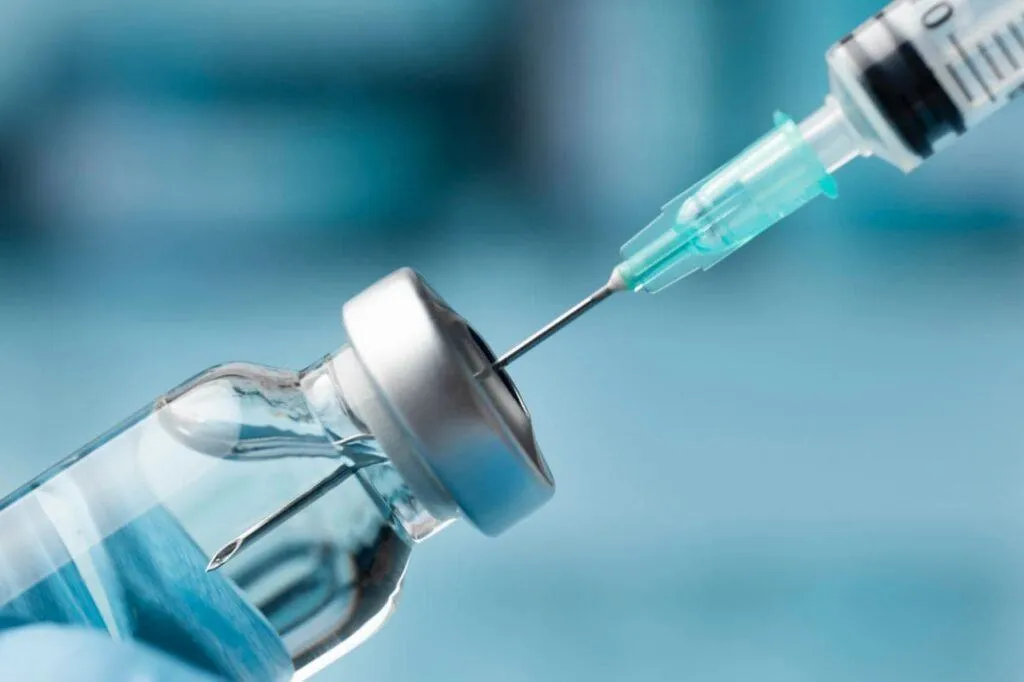
As peptide innovation accelerates, confusion between topical cosmetic peptides and injectable peptide therapies has intensified. Increasingly, marketing language, influencer content, and even some technical discussions imply that topical peptides function

By 2026, cosmetic peptide development faces a clear paradox. On one hand, formulations contain peptides that are chemically stable, analytically verified, and delivered efficiently to the skin. On the other
By 2026, cosmetic peptide development has moved beyond basic concerns such as stability, solubility, and penetration. Instead, a more complex limitation has become evident. Even when peptides remain chemically intact

Cosmetic peptides are commonly evaluated by their presence, stability, and theoretical activity. However, in real skin biology, peptides only function when they interact with their targets within specific time-dependent signaling

Cosmetic peptides frequently pass standard stability testing and still fail in market. The formulation remains visually stable, analytical peptide levels stay within specification, and regulatory requirements are met. Yet performance
In 2026, peptide “stacking” has become the default product strategy. Brands combine signal peptides, carrier peptides, neurosensory peptides, and barrier-support peptides in one formula, then expect additive or even synergistic

Cosmetic peptides often get positioned like pharmaceutical actives: higher dosage, stronger effect, better results. As a result, many brands assume that increasing peptide concentration automatically improves performance. In real cosmetic

Cosmetic peptide delivery is often framed as a penetration problem. As a result, many formulations rely on encapsulation, liposomes, or carrier systems designed to push peptides deeper into the skin.

Cosmetic peptides have reshaped modern skincare by introducing targeted biological signaling into topical formulations. However, what the market currently labels as advanced peptide technology reflects only an intermediate stage. After

Cosmetic peptides sit at the most sensitive intersection of cosmetic chemistry and biological implication. As peptide use expands, regulators increasingly evaluate not the ingredient itself, but the way brands describe,
Packaging is often treated as a passive container whose primary role is protection and convenience. For peptide-based cosmetic formulations, this assumption is incorrect. Packaging functions as an active surface system