
Laminarin for Hydration & Skin Comfort
Laminarin, a natural polysaccharide extracted from brown algae, continues to gain interest in advanced skincare. Although it is less well-known than fucoidan or carrageenan, formulators now value it for its

Laminarin, a natural polysaccharide extracted from brown algae, continues to gain interest in advanced skincare. Although it is less well-known than fucoidan or carrageenan, formulators now value it for its

Ulvan is a unique sulfated polysaccharide extracted from green algae, especially Ulva lactuca (sea lettuce). Unlike the better-known polysaccharides from brown or red algae, ulvan has a distinct chemical structure

Sulfated galactans from red algae are gaining attention as multi-functional marine polysaccharides for modern skincare. These polymers, rich in galactose and sulfate groups, form hydrated networks that support barrier comfort,
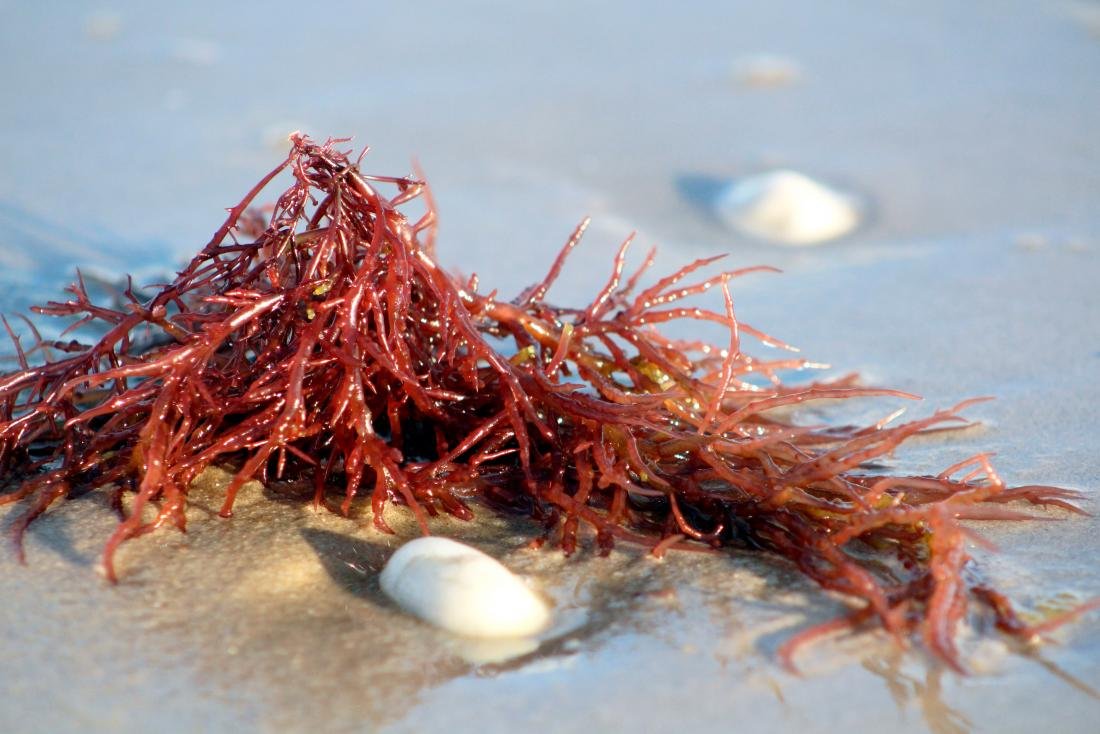
Carrageenan is a high-molecular-weight polysaccharide obtained from red algae such as Chondrus crispus, Kappaphycus alvarezii, and Eucheuma denticulatum. It has a long history of use as a gelling and thickening

Fucoidan is a fucose-rich, sulfated polysaccharide found in brown algae such as Undaria pinnatifida, Fucus vesiculosus, and Cladosiphon species. Because its structure includes sulfate groups, uronic acids, and branched sugar
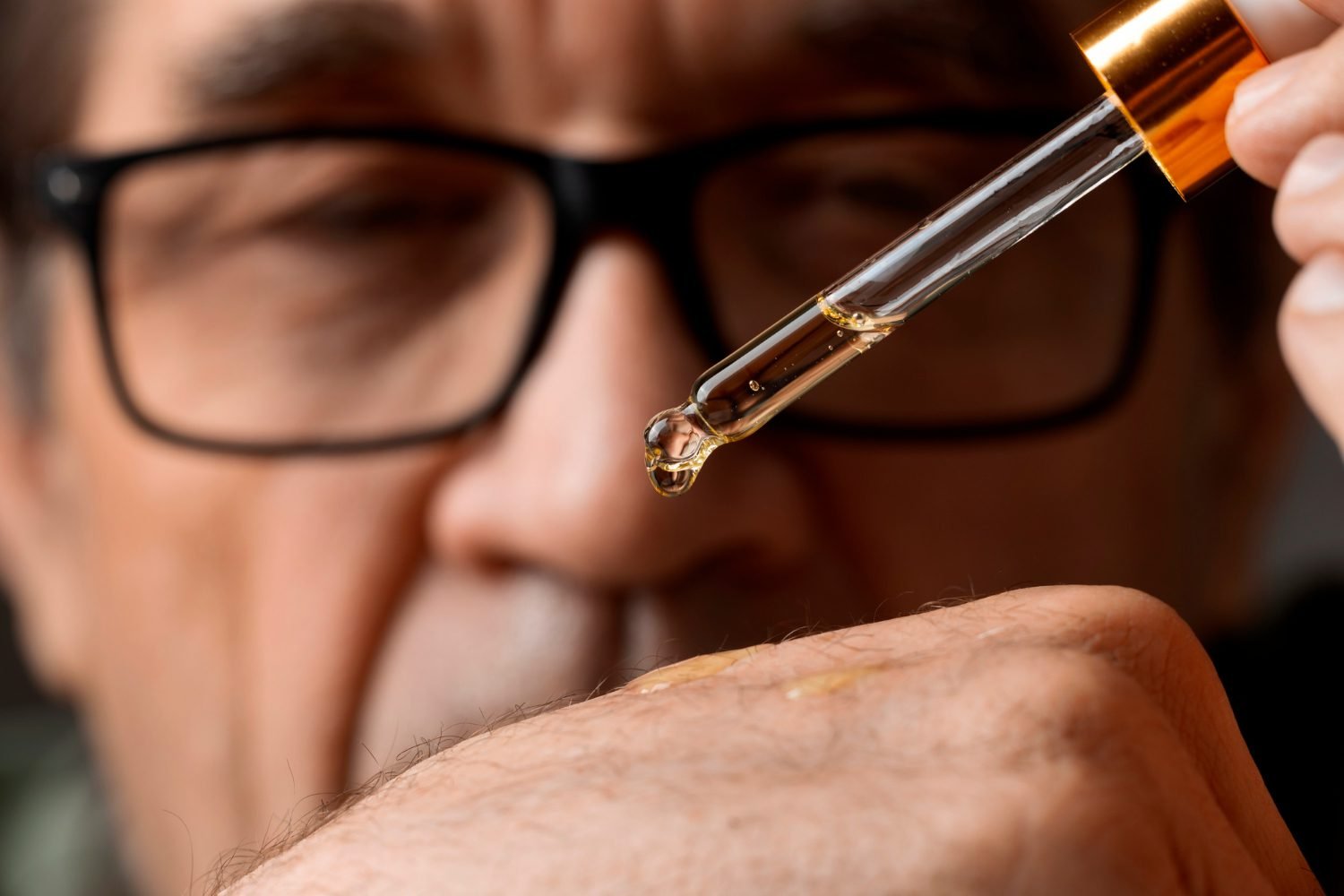
Marine exopolysaccharides, commonly called EPS, are among the most promising biotechnological actives in modern cosmetic formulation. Produced by marine microorganisms, microalgae, and extremophile bacteria, these high-molecular weight sugar complexes show
Marine polysaccharides are emerging as some of the most versatile biopolymers in cosmetic science. Extracted mainly from brown and green algae, these high–molecular weight sugars deliver a combination of film-forming,
As modern life moves increasingly toward screens, the skin faces a new form of stress: blue light (HEV, 400–500 nm). Prolonged exposure from digital devices accelerates oxidative stress, uneven pigmentation,
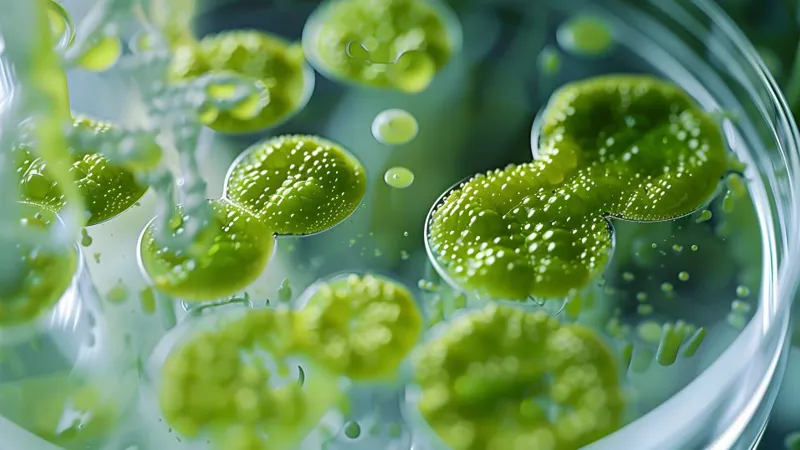
In the search for safer, smarter UV protection, nature’s most efficient photobiologists—microalgae—offer a complete blueprint. Algal carotenoids and mycosporine-like amino acids (MAAs) are multifunctional molecules evolved to defend cells from
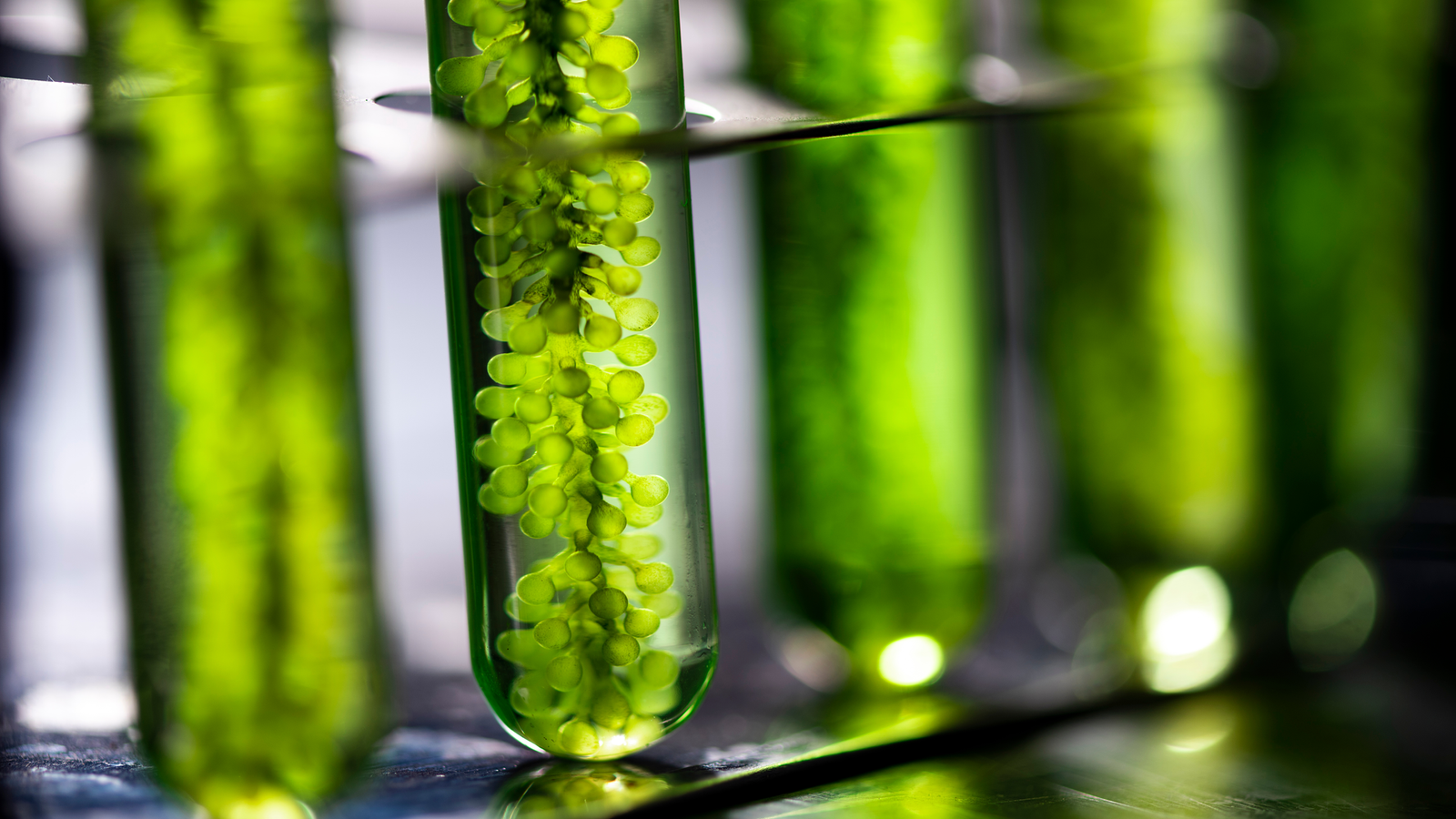
Skincare is moving beyond broad extracts toward lipidomics—the precise mapping of bioactive lipids that drive barrier strength, elasticity, and calm. In this evolution, microalgae lipidomics stands out. These single-cell factories
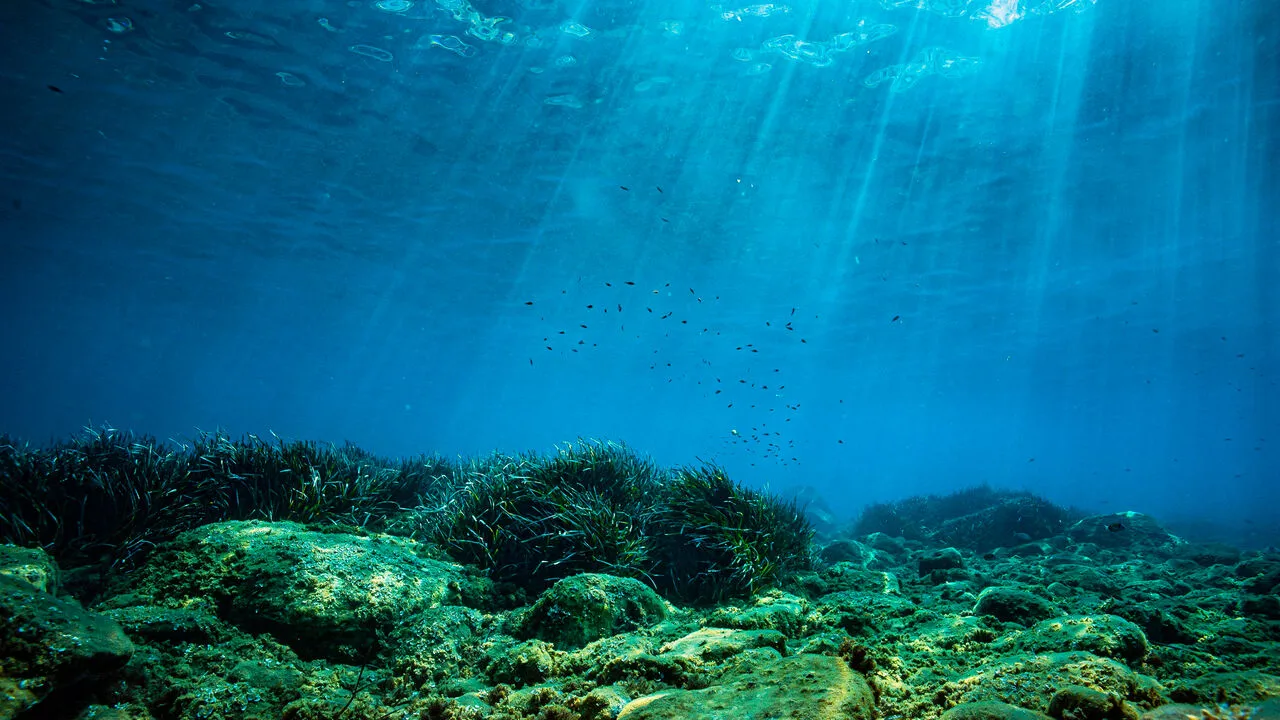
Skincare innovation is diving deeper—literally. Deep-sea microbiome actives and submarine peptides emerge from extremophile organisms adapted to cold, pressure, and low light. Consequently, these bioactives deliver concentrated resilience: they protect
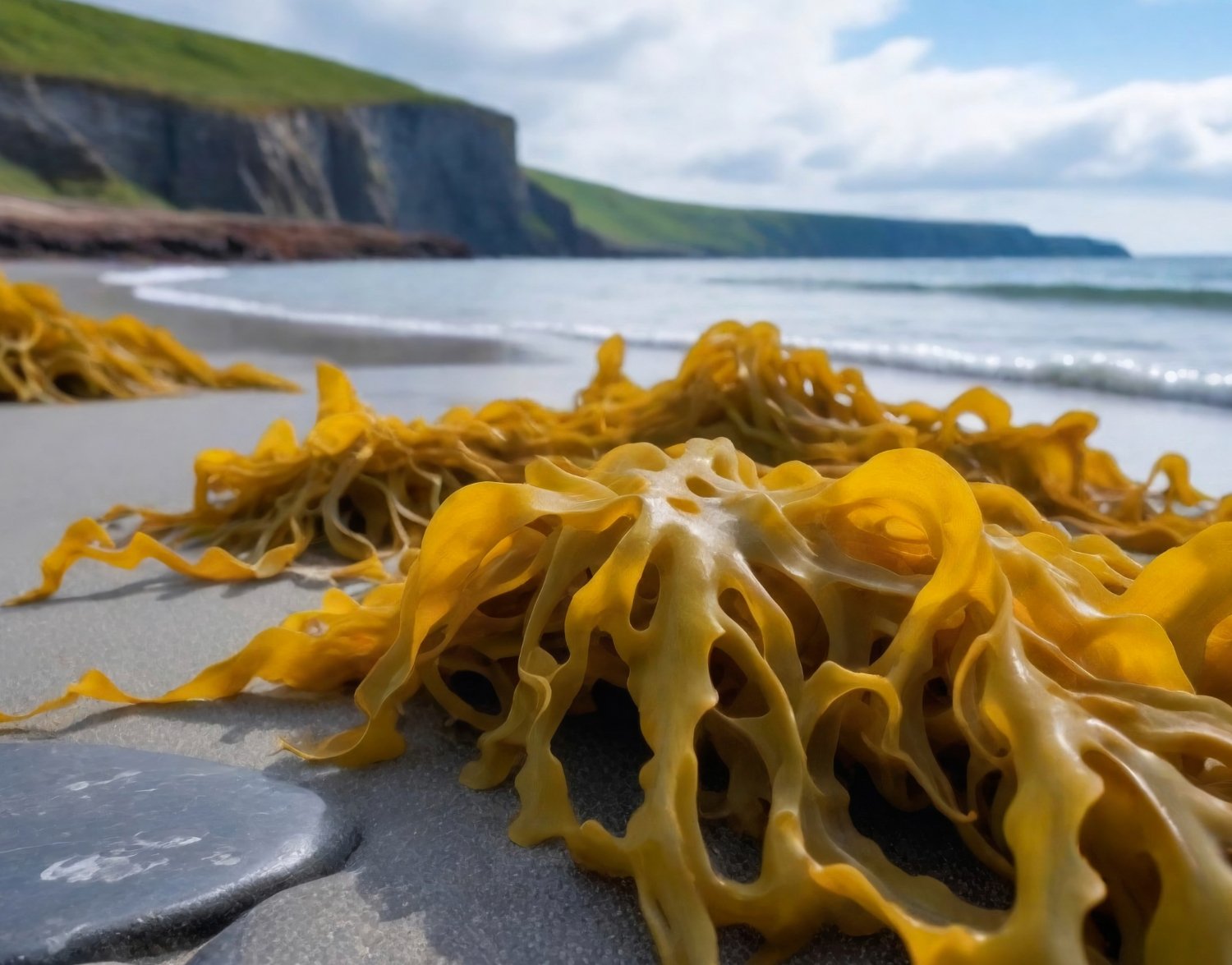
Modern skincare increasingly looks to the ocean for innovation. Marine ferments and polar algae metabolites represent the most advanced expressions of blue biotechnology, combining microbial adaptation and biochemical precision. These