Inflammation is the silent catalyst of aging. While acute inflammation protects us from immediate harm, chronic, low-grade inflammation—often termed ‘inflamm-aging’—accelerates dermal breakdown, leading to wrinkles, hyperpigmentation, and loss of elasticity. Consequently, the most sophisticated anti-aging strategies focus not merely on repair, but on strategic, consistent inflammation management.
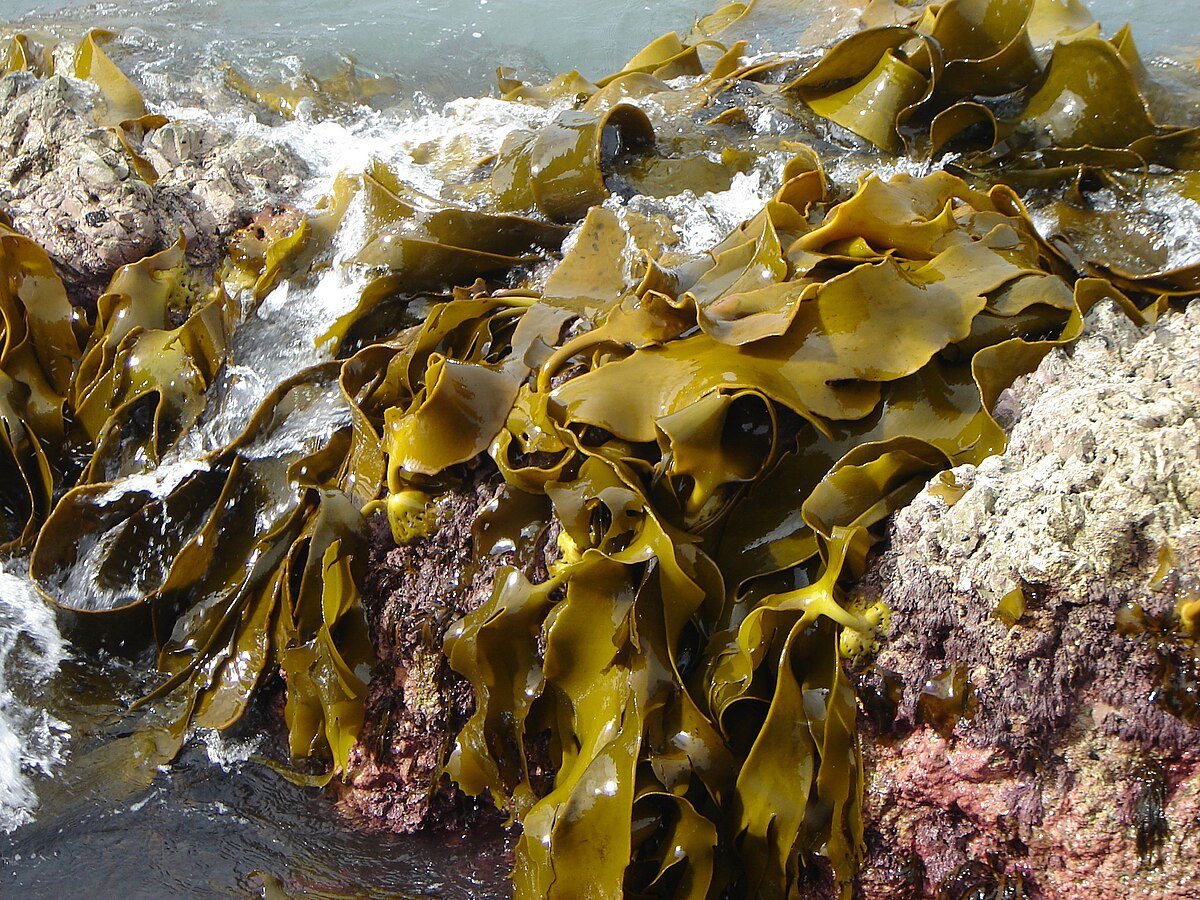
The solution increasingly comes from the marine world. Brown algae, such as Ecklonia cava and Fucus vesiculosus, thrive in high-stress environments. To survive intense UV radiation and fluctuating tides, these organisms produce potent defensive molecules. These molecules are known as phlorotannins. Unlike common terrestrial antioxidants, phlorotannins possess a unique chemistry that provides unparalleled anti-inflammatory and free radical scavenging capabilities.
Furthermore, these compounds work at the foundational molecular level, providing therapeutic potential far beyond simple topical soothing. This deep, science-heavy exploration confirms why Brown Algae Phlorotannins for Anti-Inflammation are quickly becoming the high-authority standard for sensitive and mature skin formulations.
The Chemical Blueprint: What Makes Phlorotannins Unique?
Phlorotannins belong to the family of polyphenols, the same class that includes Green Tea catechins and Resveratrol. However, their molecular structure radically differentiates them. Terrestrial polyphenols are built on a carbon-based C6-C3-C6 backbone, known as flavonoids. Conversely, phlorotannins are formed by the oligomerization (joining together) of a simpler unit called phloroglucinol (1,3,5-trihydroxybenzene).
Unique Chemistry of Phlorotannins
The complexity of phlorotannins increases based on how many phloroglucinol units link together. These monomers can form complex, high-molecular-weight polymers of up to 20,000 Daltons. More importantly, they are the only class of tannins that possess hydroxy groups (OH groups) linked directly to the aromatic rings, enabling superior water solubility and allowing them to scavenge both water- and lipid-soluble free radicals.
Specific high-value phlorotannins include Dieckol and Phlorofucofuroeckol, often isolated from*Ecklonia cava. Scientists have proven that these compounds possess a potent ability to cross cell membranes and reach intracellular targets. Therefore, their powerful action is not limited to the surface layer of the skin; they actively neutralize stress responses inside the cell.
The Core Mechanism: Brown Algae Phlorotannins for Anti-Inflammation
The efficacy of Brown Algae Phlorotannins for Anti-Inflammation stems from their ability to block or suppress several key enzymatic and signaling pathways that drive the inflammatory cascade. This multi-pronged approach makes them exceptionally effective at reducing systemic skin stress.
COX and LOX Enzyme Inhibition
Inflammation is often mediated by molecules called eicosanoids, which include prostaglandins and leukotrienes. These molecules are synthesized by two critical enzymes: Cyclooxygenase (COX-2) and 5-Lipoxygenase (5-LOX) COX-2 generates inflammatory prostaglandins (like PGE2, which causes redness and swelling), while 5-LOX generates inflammatory leukotrienes.
In fact, phlorotannins exhibit a high affinity for inhibiting both enzymes, much like non-steroidal anti-inflammatory drugs (NSAIDs) but without the associated side effects. Studies demonstrate that phlorotannins effectively reduce the production of PGE2 and leukotrienes. Consequently, they mitigate the immediate signs of inflammation, such as erythema (redness) and swelling, providing rapid relief to reactive skin.
NF-κB Pathway Suppression
Perhaps the most profound anti-aging mechanism of phlorotannins involves the Nuclear Factor kappa-light-chain-enhancer of activated B cells (NF-κB) pathway. NF-κB is a protein complex that controls gene expression for numerous pro-inflammatory cytokines (chemical messengers) such as TNF-α, IL-6, and IL-1β. Chronic activation of NF-κB is a hallmark of inflamm-aging.
Phlorotannins actively suppress this pathway. They prevent the translocation of the NF-κB complex from the cytoplasm into the cell nucleus, where it would typically turn on inflammatory genes. By blocking this core signaling process, phlorotannins effectively ‘turn off’ the factory producing inflammatory molecules. This fundamental suppression leads to long-term stability and preservation of the skin’s collagen matrix.
Beyond Inflammation: Antioxidant Superiority
The anti-inflammatory effects of phlorotannins are inseparable from their antioxidant activity. Their unique structural complexity enables exceptional free radical scavenging across multiple cellular environments.
Phlorotannins demonstrate superior effectiveness in quenching various types of free radicals, including superoxide anions and hydroxyl radicals. Researchers have repeatedly shown that these marine polyphenols possess an Oxygen Radical Absorbance Capacity (ORAC) score significantly higher than common terrestrial antioxidants. For example, some phlorotannin fractions show activity several times higher than that of Resveratrol and Vitamin E.
Furthermore, their strong affinity for binding metal ions, known as chelating activity, is crucial. Metal ions (like iron and copper) are major catalysts for the generation of harmful free radicals. By binding these metals, phlorotannins halt the oxidative chain reaction before it begins, providing a dual-layered defense that dramatically protects cellular components, including the structural integrity of collagen and elastin.
Comparison: Marine vs. Terrestrial Polyphenols
To highlight the authority of phlorotannins, we must compare them directly to widely recognized terrestrial counterparts, such as Green Tea Catechins (EGCG) and Resveratrol.
| Feature | Brown Algae Phlorotannins | Green Tea Catechins (EGCG) | Resveratrol |
|---|---|---|---|
| Core Structure | Oligomers of Phloroglucinol (unique) | Flavan-3-ols (C6-C3-C6 backbone) | Stilbenoid (non-flavonoid polyphenol) |
| Hydroxyl Groups | High density (Superior radical scavenging) | Moderate density | Low density |
| Anti-Inflammation | Inhibits COX-2, 5-LOX, and NF-κB pathways. | Modulates NF-κB and inhibits certain kinases. | Modulates Sirtuin-1 (Longevity protein) and NF-κB. |
| Solubility | Amphiphilic (Water and Lipid soluble) | Primarily water soluble | Primarily lipid soluble |
| Superiority | Broad-spectrum anti-inflammatory and cellular protection. | Powerful, well-researched antioxidant. | Anti-aging via genetic/longevity pathways. |
The table clearly shows that phlorotannins’ amphiphilic nature—their ability to interact with both water- and fat-based cellular components—gives them a distinct advantage. They can scavenge radicals in the aqueous cytoplasm and also protect the lipid membranes of the cells. This complete cellular defense is unmatched by compounds that are primarily water-soluble (like EGCG) or fat-soluble (like Resveratrol).
Application and Sourcing Considerations
For formulators and consumers alike, understanding the sourcing of Brown Algae Phlorotannins for Anti-Inflammation is key to maximizing efficacy. The highest quality extracts are sourced from specific species like Ecklonia cava and are often standardized for specific compounds like Dieckol.
Due to their high molecular weight, phlorotannins are often extracted using advanced, clean methods (such as supercritical fluid extraction) to ensure purity and prevent degradation. Consumers should look for serums or creams that specify the use of “standardized brown algae extract” or mention specific active molecules (Dieckol, Phloroglucinol). These compounds integrate seamlessly into most skincare routines, complementing ingredients like hyaluronic acid and peptides without causing adverse interactions.
Conclusion
The science unequivocally supports the claim: Brown Algae Phlorotannins for Anti-Inflammation are one of the most powerful and sophisticated natural ingredients available for skin longevity. Their unique phloroglucinol-based structure allows them to exert potent inhibitory effects on key inflammatory mediators (COX-2, 5-LOX) and suppress the foundational NF-κB aging pathway.
Furthermore, their superior, amphiphilic antioxidant capacity provides comprehensive cellular defense that traditional terrestrial compounds simply cannot replicate. By managing inflamm-aging at the molecular level, these extracts offer a scientifically rigorous path toward stabilizing skin health and preserving a youthful dermal structure for the long term.