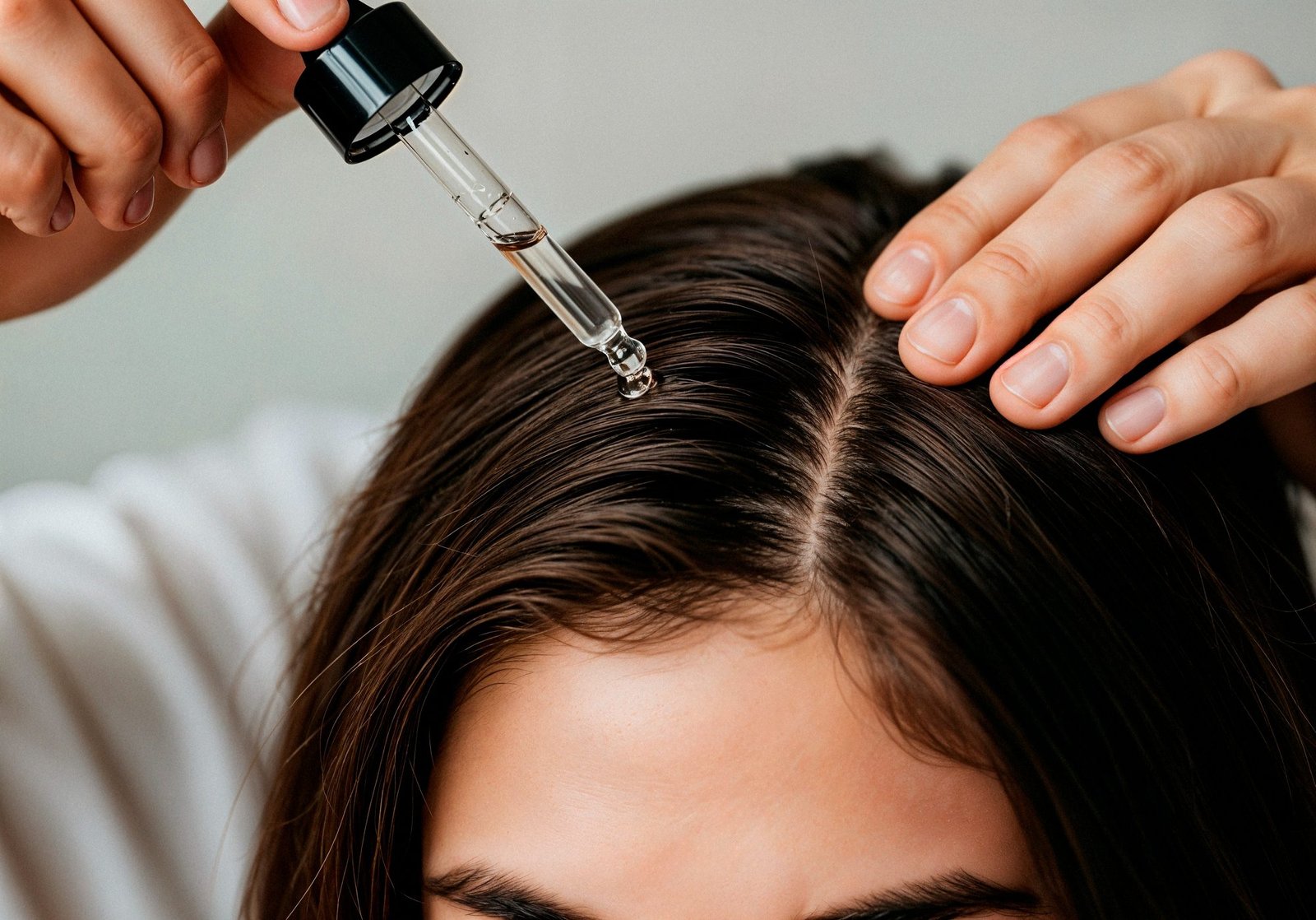

Aromatherapy has historically been framed as a sensory or emotional practice. However, modern neuroscience and skin biology reveal a far more complex reality. When combined with neurocosmetics, aromatic compounds engage two distinct yet interconnected neural pathways: the olfactory–limbic axis and the cutaneous nervous system. Consequently, neuro-aromatic skincare is evolving from passive fragrance into an active neurosensory interface.
Unlike traditional cosmetic fragrance, neurocosmetic aromatics are selected for their biochemical interactions with neural receptors, neurotransmitter modulation, and stress-response pathways. Therefore, these compounds influence not only perception and mood, but also inflammation, barrier function, microcirculation, and neuroimmune signaling within the skin.
This dual-pathway model—olfactory signaling to the brain combined with direct skin–nerve interaction—represents a new frontier in sensory skincare. Importantly, it expands neurocosmetics beyond topical performance into a multi-sensory, systems-level approach to skin wellness.
The Olfactory–Limbic Pathway: Direct Neural Access
Why Smell Is Neurologically Unique
Olfaction is the only sensory system that bypasses the thalamus and connects directly to the limbic system. As a result, olfactory signals rapidly influence emotional processing, memory, stress response, and autonomic regulation. When aromatic molecules bind to olfactory receptors in the nasal epithelium, they initiate neural cascades affecting the amygdala, hippocampus, and hypothalamus.
Consequently, certain volatile compounds can modulate cortisol release, sympathetic tone, and emotional arousal within seconds. This explains why specific aromas consistently associate with relaxation, alertness, or emotional grounding.
From Mood to Physiology
Beyond perception, olfactory stimulation influences physiological states that directly affect skin. Stress reduction through limbic modulation lowers systemic cortisol, which in turn reduces inflammation, barrier disruption, and delayed wound healing. Therefore, olfactory-active ingredients indirectly improve skin resilience by regulating neuroendocrine stress pathways.
The Cutaneous Neural Pathway: Skin as a Sensory Organ
Neural Receptors in the Skin
The skin contains an extensive network of sensory neurons, neuropeptides, and receptors capable of responding to chemical stimuli. Aromatic compounds applied topically can interact with transient receptor potential (TRP) channels, olfactory-like receptors expressed in keratinocytes, and neuropeptide signaling pathways.
As a result, the skin itself perceives and responds to aromatic molecules independently of smell. This means that even without conscious perception, neuro-aromatic actives can modulate inflammation, itch, vasodilation, and immune signaling locally.
Neuropeptides and Skin Response
Activation of cutaneous sensory nerves triggers the release of neuropeptides such as substance P, CGRP, and neurokinin A. These mediators influence vasodilation, immune cell recruitment, and barrier repair. Consequently, aromatics that modulate neural firing can either exacerbate or calm inflammatory cascades depending on their receptor interactions.
Dual-Pathway Neuro-Aromatics: A Systems Model
Neurocosmetic aromatherapy becomes transformative when both neural routes are intentionally addressed. On one side, inhalation influences central nervous system responses; on the other, topical exposure modulates peripheral neural signaling. Together, these pathways create a feedback loop between emotional state and skin physiology.
For example, an aromatic compound that reduces limbic stress while simultaneously calming TRP-mediated skin irritation offers compounded benefit. Therefore, ingredient selection must consider volatility, skin permeability, receptor affinity, and neurochemical activity.
Key Neuro-Aromatic Compounds and Their Mechanisms
Linalool
Linalool, found in lavender and coriander, demonstrates anxiolytic effects through GABAergic modulation. Additionally, it reduces inflammatory signaling in keratinocytes and suppresses oxidative stress. Consequently, linalool bridges emotional calming with barrier support.
Limonene
Limonene activates dopaminergic and serotonergic pathways when inhaled. Meanwhile, topically it exhibits antioxidant and penetration-enhancing properties. Therefore, it supports radiance while enhancing sensory uplift.
β-Caryophyllene
β-Caryophyllene is particularly notable because it selectively activates CB2 cannabinoid receptors. This allows it to modulate inflammation without psychoactivity. Importantly, it functions both through olfactory perception and direct skin–receptor interaction.
Menthol and Terpenoid Coolants
Menthol and related compounds activate TRPM8 channels, producing cooling sensations. At the same time, they reduce itch and neurogenic inflammation. Consequently, they are powerful tools in sensitive or stressed-skin formulations.
Formulation Strategy: Designing Dual-Neural Neurocosmetics
Volatility Control
Balancing evaporation rate is essential. Highly volatile compounds favor olfactory signaling, while lower-volatility fractions enhance cutaneous interaction. Therefore, encapsulation or controlled-release systems are often used to extend skin contact without overwhelming scent perception.
Dose Matters
Neuro-aromatics follow biphasic dose–response curves. Low doses may calm neural activity, whereas excessive concentrations can overstimulate receptors. Consequently, neurocosmetic formulation requires precision rather than perfumery intuition.
Synergy With Neuroactive Actives
Aromatic compounds often synergize with peptides, cannabinoids, postbiotics, and barrier lipids. Together, they create layered neuro-modulation that supports both emotional comfort and skin repair.
Clinical and Instrumental Validation
Modern neuro-aromatic research increasingly uses EEG, heart-rate variability, electrodermal activity, and inflammatory biomarkers to validate claims. These tools allow formulators to correlate emotional response with skin outcomes such as redness reduction, TEWL improvement, and itch suppression.
Importantly, this data-driven approach elevates aromatherapy from subjective experience to measurable neurocosmetic science.
Market Direction: From Fragrance to Functional Neuro-Sensory Design
Consumers increasingly seek products that “feel good” in measurable ways. As a result, fragrance is no longer decorative—it is functional. Neuro-aromatic skincare positions scent as a therapeutic interface rather than an aesthetic choice.
This shift aligns strongly with wellness-driven skincare, psychodermatology, and stress-adaptive beauty trends expected to accelerate through 2026 and beyond.
Conclusion
The integration of aromatherapy and neurocosmetics marks a pivotal evolution in skincare science. By engaging both olfactory and cutaneous neural pathways, neuro-aromatic formulations influence emotional state, inflammation, barrier function, and sensory comfort simultaneously.
As research advances, dual-pathway neurocosmetics will redefine how products are designed, validated, and experienced—transforming skincare into a multisensory neurobiological system.