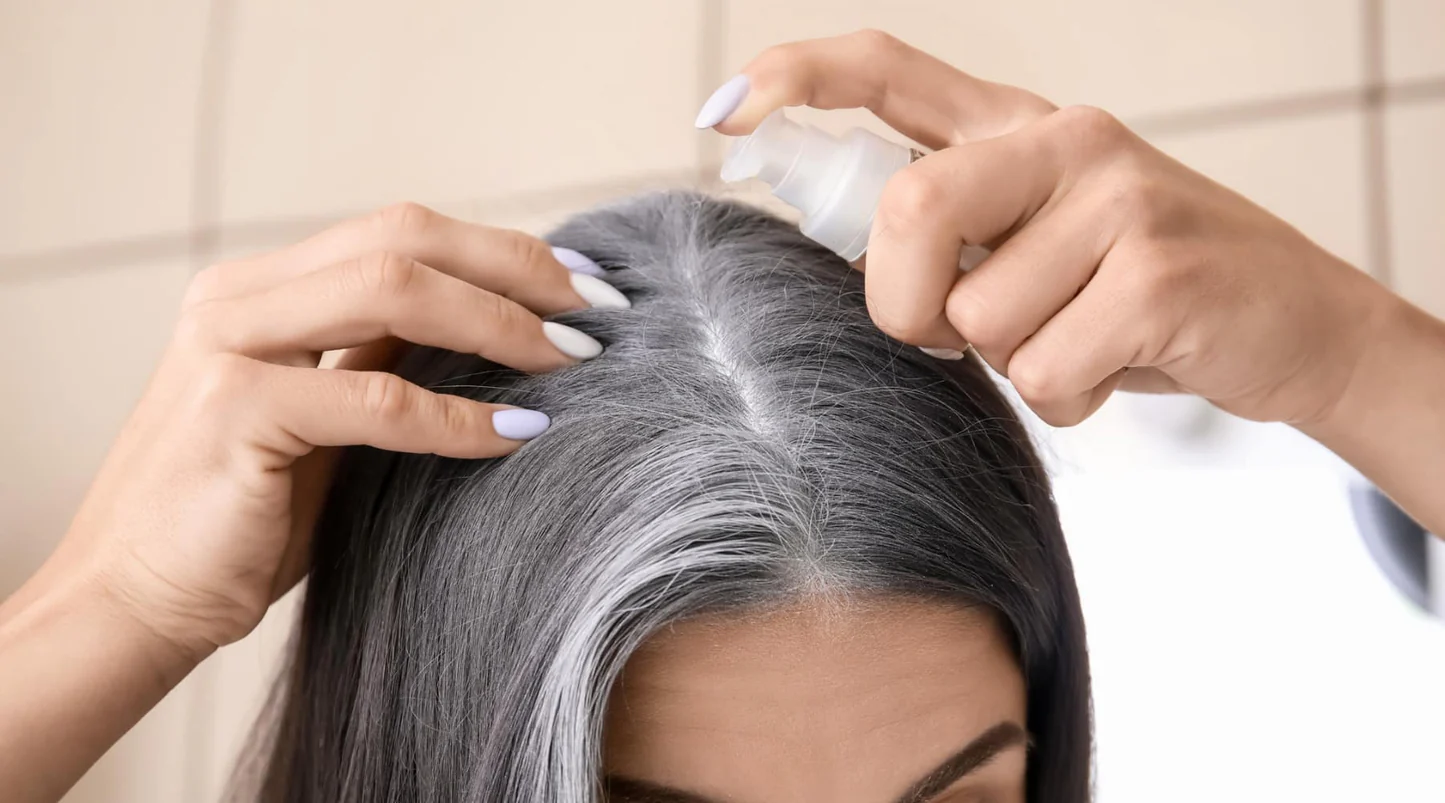
Anti-gray hair actives have quickly become a high-demand category in modern haircare. Because graying involves a decline in melanin production, oxidative stress, and the depletion of melanocyte stem cells, actives targeting these mechanisms can help maintain natural pigmentation. As interest in hair longevity continues to rise, melanin-modulating systems are gaining strong traction among both professional and retail brands.
Understanding the Biology Behind Hair Graying
Hair color is determined by melanin produced within the follicle bulb. Over time, melanocytes slow down, resulting in reduced pigment. This shift is influenced by genetics, oxidative stress, inflammation, and environmental exposure. As hydrogen peroxide accumulates in the follicle, it interferes with tyrosinase, the key enzyme that initiates melanin synthesis. Consequently, pigment formation becomes less efficient, eventually leading to gray or white fibers.
The Role of Oxidative Stress
Oxidative stress accelerates the aging process within the follicle. External factors such as UV exposure, pollution, emotional stress, and chemical treatments increase reactive oxygen species. These molecules weaken melanocyte activity and disrupt signaling pathways. Anti-gray hair actives that reduce oxidative stress can therefore play a crucial role in preserving natural pigmentation. Antioxidant-rich botanicals and peptides designed to support cellular balance help brighten and reinforce hair’s natural color.
Melanin Pathway Modulation
Since tyrosinase is central to melanin synthesis, many anti-gray hair actives focus on supporting its expression and functionality. Other pathways, including MITF signaling, regulate multiple genes involved in melanocyte behavior. Actives that stimulate these pathways can help delay graying and maintain a balanced rate of melanin creation. Because melanin production involves several steps, multi-pathway actives tend to deliver more comprehensive pigmentation support.
Peptide-Based Anti-Gray Solutions
Biomimetic peptides have the advantage of precision. These peptides can target melanocyte energy metabolism, support cellular communication, and encourage the regeneration of pigment-producing cells. Peptides that influence MITF or tyrosinase-related pathways help sustain melanin synthesis. Additionally, some peptides assist in protecting melanocytes from oxidative damage, helping them function for longer.
Botanical Actives for Pigmentation Support
Botanical extracts rich in phytoactives offer multiple benefits for pigment preservation. Some work by stimulating melanogenesis, while others act as antioxidants that protect melanocyte function. Because these extracts often contain several bioactive molecules, they provide broad support for follicle health. Their balanced activity profile makes them ideal companions for peptides in multi-active formulas.
Maintaining Mitochondrial Performance
Melanocytes require significant cellular energy to produce melanin. When mitochondrial activity declines, pigment production slows. Certain actives help optimize ATP output, supporting healthier melanin synthesis over time. Because mitochondrial health influences how effectively melanocytes function, this strategy can help delay early graying.
Scalp Environment and Melanocyte Health
A balanced scalp ecosystem supports healthy melanocytes. Inflammation, microbial imbalance, or barrier disruption can negatively affect pigment formation. Ingredients that restore comfort, reduce inflammation, or reinforce the scalp barrier can indirectly support pigmentation longevity. This is why many anti-gray systems combine bioactive pigmentation pathways with scalp-focused ingredients.
Formulation Considerations for Chemists
Formulating effective anti-gray products requires careful alignment of pH, delivery systems, and ingredient compatibility. Peptides typically benefit from encapsulation or stabilizing systems. Botanicals require standardization to ensure consistent activity. Leave-in products, such as serums or scalp tonics, allow prolonged contact with the follicular environment and therefore support better results. Rinse-off formats can still provide value when using highly substantive actives.
Growing Consumer Interest in Natural Anti-Gray Solutions
As consumers shift toward wellness and longevity trends, interest in natural pigmentation support continues to rise. Many individuals are looking for solutions that help slow graying rather than relying exclusively on dyes. Anti-gray actives based on melanin pathway modulation align with this shift, offering a gentle but biologically aligned strategy for long-term hair vitality.
Research Links
- https://pubmed.ncbi.nlm.nih.gov/
- https://www.ncbi.nlm.nih.gov/
- https://www.sciencedirect.com/