
Glycation is one of the most damaging biochemical processes linked to structural skin aging. Although intrinsic aging affects collagen over time, glycation accelerates this breakdown dramatically. Because reducing sugars react with proteins in a non-enzymatic way, they create stable and harmful complexes known as advanced glycation end-products (AGEs). As a result, collagen fibers stiffen, elastin loses recoil, and the extracellular matrix becomes less responsive to repair. Consequently, skin develops deeper wrinkles, uneven tone, rigidity, and a dull or yellowish appearance. Since glycation progresses continuously and increases with age, UV exposure, diet, and pollution, modern skin science treats it as a priority pathway that requires targeted intervention. Therefore, anti-glycation peptides have become essential ingredients in next-generation anti-aging formulations.
Understanding Glycation and the Formation of AGEs
Glycation begins when glucose or fructose attaches to amino groups on long-lived proteins such as collagen. Initially, this bonding forms unstable intermediates. However, these intermediates rearrange into irreversible AGEs. Because these AGEs form cross-links between collagen molecules, the dermal matrix loses its natural flexibility. Furthermore, AGEs generate reactive oxygen species, which increase oxidative stress. This stress disrupts fibroblast activity and reduces cellular communication. Consequently, the entire dermal environment becomes more rigid, less hydrated, and slower to renew.
External stressors intensify the process. For example, UV radiation increases reactive carbonyl compounds that accelerate glycation. Pollution increases oxidative load, which further encourages AGE formation. High-sugar diets raise circulating glucose and fructose, and these sugars diffuse into the dermal matrix easily. Therefore, glycation reflects both external lifestyle factors and internal biochemical reactions. Because of this, topical intervention must target the molecular mechanism directly.
How AGEs Alter Skin Structure
AGEs accumulate slowly but consistently. Over time, collagen fibers lose their organized alignment. Although the matrix may appear intact under microscopy, its mechanical properties change dramatically. Cross-linked collagen becomes brittle and inflexible. Consequently, the dermis can no longer absorb mechanical stress effectively. Moreover, AGEs activate receptors known as RAGE. When triggered, these receptors initiate inflammatory cascades that further degrade structural proteins. Therefore, glycation not only stiffens the matrix but also amplifies inflammatory aging.
Visually, AGE accumulation results in dullness, sagging, poor elasticity, and deeper wrinkles. In addition, glycation interferes with fibroblast mechanotransduction. When fibroblasts sense a stiff matrix, they reduce collagen output. As a result, the skin loses its ability to regenerate efficiently. Because of these combined effects, glycation often overrides the benefits of other anti-aging strategies unless addressed directly.
Mechanisms of Anti-Glycation Peptides
Anti-glycation peptides counter multiple stages of the glycation process. While antioxidants reduce oxidative stress and retinoids stimulate collagen renewal, peptides intervene at the sugar–protein interaction itself. As a result, they provide targeted protection at the molecular level. Their main mechanisms include:
- Sugar trapping: Some peptides bind reactive sugars before they attach to collagen.
- Carbonyl scavenging: Peptides neutralize reactive carbonyl species produced during oxidative stress.
- Cross-link prevention: Specific peptide sequences disrupt the formation of stable AGE bonds.
- Matrix renewal stimulation: Peptides promote the synthesis of new collagen to replace AGE-damaged fibers.
- Anti-inflammatory signaling: Some peptides reduce RAGE receptor activation.
Because peptides are sequence-specific, formulators can target the precise point where glycation begins. Furthermore, they exhibit predictable activity and strong skin tolerability. Therefore, anti-glycation peptides fit seamlessly into modern dermal longevity strategies.
Peptides With Proven Anti-Glycation Benefits
Several peptide families demonstrate strong anti-glycation performance in both in vitro and clinical studies. For example, carnosine and its analogs trap reactive carbonyl species. Consequently, they prevent early-stage glycation and reduce collagen stiffness. In addition, lipopeptides improve dermal penetration and reinforce elasticity. Some tripeptides stimulate ECM turnover, encouraging fibroblasts to rebuild the matrix. Hexapeptides designed for sugar-blocking can significantly reduce fructose-mediated cross-links, which occur faster than glucose-based reactions.
Because glycation interacts with oxidative stress, peptides pair well with antioxidants. For instance, combining carnosine analogs with vitamin C or polyphenols enhances overall protection. Similarly, pairing peptides with niacinamide supports barrier integrity, which reduces inflammatory load. As a result, peptide-based anti-glycation systems work effectively within multi-pathway formulations.
Why Glycation Accelerates With Age
Intrinsic biology changes after age 30. Although collagen turnover slows naturally, glycation accelerates because damaged fibers remain longer. Furthermore, antioxidant enzyme levels decline. As a result, the dermis accumulates more reactive species. Additionally, fibroblasts become less responsive when the matrix is stiff. Because of this, they produce lower-quality collagen. Diet and environment also drive the process. Therefore, anti-glycation peptides become more important as individuals enter mid-life. Their ability to interfere with molecular cross-linking helps preserve dermal flexibility.
Diet, UV Exposure, and Pollution as Accelerators
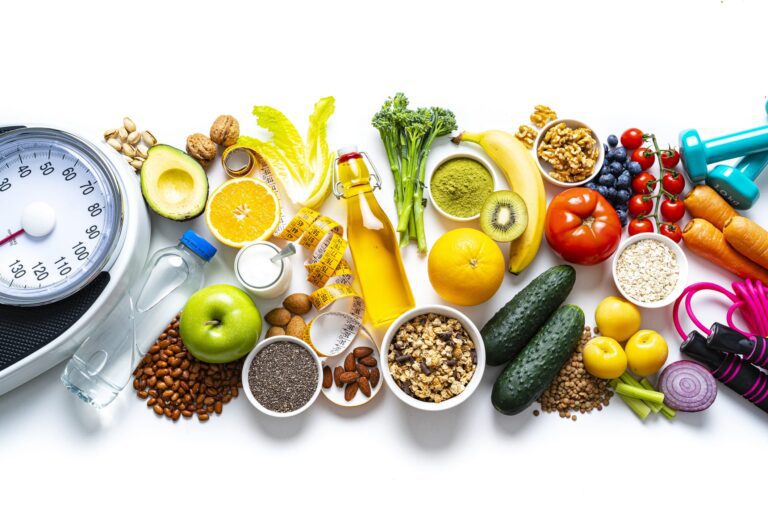
Although glycation can occur under normal conditions, lifestyle factors dramatically accelerate it. High-sugar diets produce a surplus of glucose and fructose. Because fructose reacts more than ten times faster than glucose, it significantly speeds up AGE formation. Meanwhile, UV rays produce reactive carbonyls, which fuel glycation cycles. Pollution adds heavy metal ions and radicals, increasing oxidative stress. Therefore, peptides alone are not enough; however, peptides remain the strongest topical tools for blocking the chemical reactions that drive glycation. Consequently, a complete strategy should combine topical peptides with improved diet, antioxidants, and UV protection.
How Anti-Glycation Peptides Differ From Retinoids and Antioxidants
Anti-aging pathways require complementary strategies. Antioxidants neutralize free radicals. Retinoids stimulate collagen synthesis and repair. However, neither category directly blocks sugar-induced damage. Anti-glycation peptides fill this gap. Because they prevent sugar-protein binding, they stop damage before it becomes structural. Consequently, combining peptides with retinoids increases the effectiveness of collagen renewal. Furthermore, pairing peptides with antioxidants reduces the oxidative conditions that accelerate glycation. Therefore, multi-pathway strategies provide superior long-term results.
Synergies With NAD+, Spermidine, and Autophagy Boosters
Advanced formulations now combine anti-glycation peptides with cellular rejuvenation technologies. NAD+ boosters improve metabolic efficiency, while NMN and NR support DNA repair and energy pathways. Meanwhile, spermidine activates autophagy, the process responsible for removing damaged proteins. Because glycation produces dysfunctional proteins, autophagy enhancement reduces their accumulation. Therefore, combining peptides with autophagy activators provides a deeper regenerative effect. Consequently, the matrix becomes more receptive to peptide-driven renewal.
Formulating With Anti-Glycation Peptides
Formulators must consider stability, delivery, and compatibility. Most anti-glycation peptides perform well in water-based serums, emulsions, and night creams. Ideal pH ranges between 5.0 and 7.0. Because peptides degrade under high heat, low-temperature emulsification protects their structure. Furthermore, humectants such as glycerin facilitate diffusion. In addition, pairing peptides with phospholipid carriers increases dermal penetration. Therefore, stable, low-temperature systems offer the best results.
Clinical Outcomes and Consumer Experience
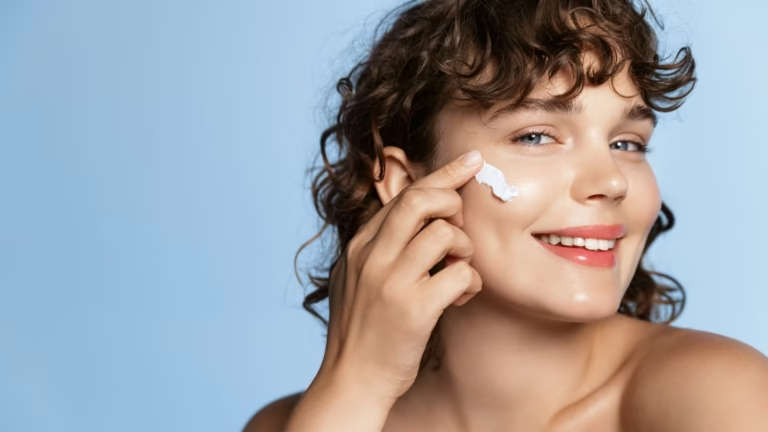
Clinical data shows that anti-glycation peptides improve elasticity, firmness, smoothness, and radiance. Furthermore, participants report improvements in bounce and tone because peptides help rebuild flexible collagen networks. Because glycation strongly influences stiffness, reducing AGEs improves tactile quality quickly. Consequently, peptides deliver both immediate and long-term anti-aging benefits.
Summary and Key Takeaways
Glycation is a major contributor to structural skin aging. Because AGEs stiffen collagen and trigger inflammation, peptides that slow glycation improve the skin’s mechanical properties. Furthermore, peptides support collagen renewal and complement antioxidants, retinoids, and autophagy boosters. Therefore, anti-glycation peptides remain essential in next-generation longevity formulas targeting deep dermal aging, stiffness, and metabolic imbalance.