Hydroquinone

Hydroquinone is a phenolic compound with strong antioxidant and reducing properties. It stabilizes oxidation-sensitive systems, including hair dyes, nail adhesives, and other formulations prone to polymerization or degradation. It donates electrons to reactive species, reduces quinones, and prevents oxidation. Historically used as a skin-lightening agent, Hydroquinone now serves primarily to maintain product stability and extend shelf life.

INCI name

Hydroquinone
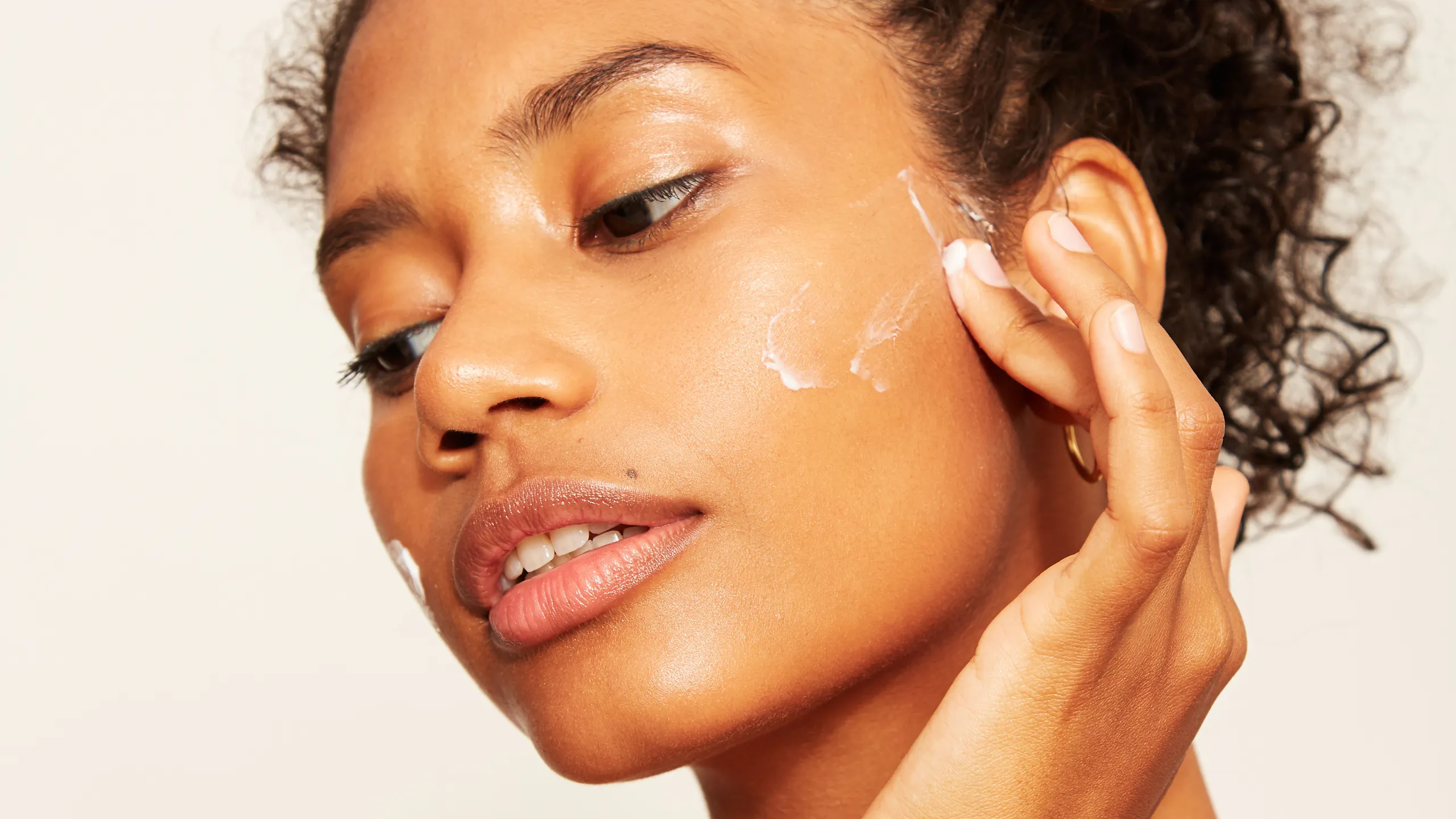
Woman applying hydroquinone cream for skin brightening

Benefits & Applications

Physical form at 25°C

  • Powder

Functions

  • Antioxidant / reducing agent
  • Polymerization inhibitor / stabilizer (nail & acrylate systems)
  • Electron donor → inhibits oxidation and melanin

Category

  • Specialty Cosmetic Active
  • Functional Chemical

Applications

  • Hair dyes
  • Nail products / adhesives
  • Rinse-off cosmetics
  • Medical skin-lightening

Regional availability

  • Asia
  • Europe
  • Latin America
  • N America

Consumer benefit

  • Improves stability & shelf-life
  • Controls polymerization
  • Ensures uniform color
  • Reduces degradation/discoloration

Related Products

VegSYRUP-1 natural hydration and moisturizing cosmetic ingredient

VegSYRUP-1

Studies on VegSYRUP-1 used three-dimensional models of artificially dehydrated epidermis. These tests showed strong moisturizing efficacy. Treatment with the active improved skin structure in visible ways. Histological analysis confirmed hydration

learn more
Coffee Beads exfoliant natural scrub ingredient

Coffee Beads

Coffee Beads are natural exfoliating granules produced from calibrated grinding of Coffea arabica beans. They are fully biodegradable and serve as a sustainable alternative to synthetic microbeads. In addition to

learn more
STELLAR natural active for skin renewal and repair

STELLAR

STELLAR is a patented biofilm-forming complex designed to deliver advanced barrier reinforcement and skin renewal. Its matrix of high-molecular-weight polysaccharides and postbiotic fermentation metabolites forms a biomimetic film that mimics

learn more