Developing vegan cosmetic products requires ingredients that deliver more than plant-based origins. Texture, spreadability, emollience, and conditioning performance remain essential to creating products that consumers enjoy using.
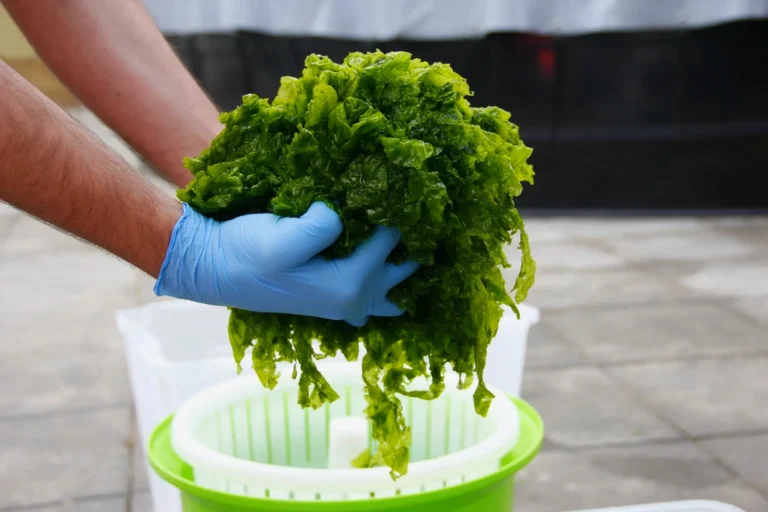
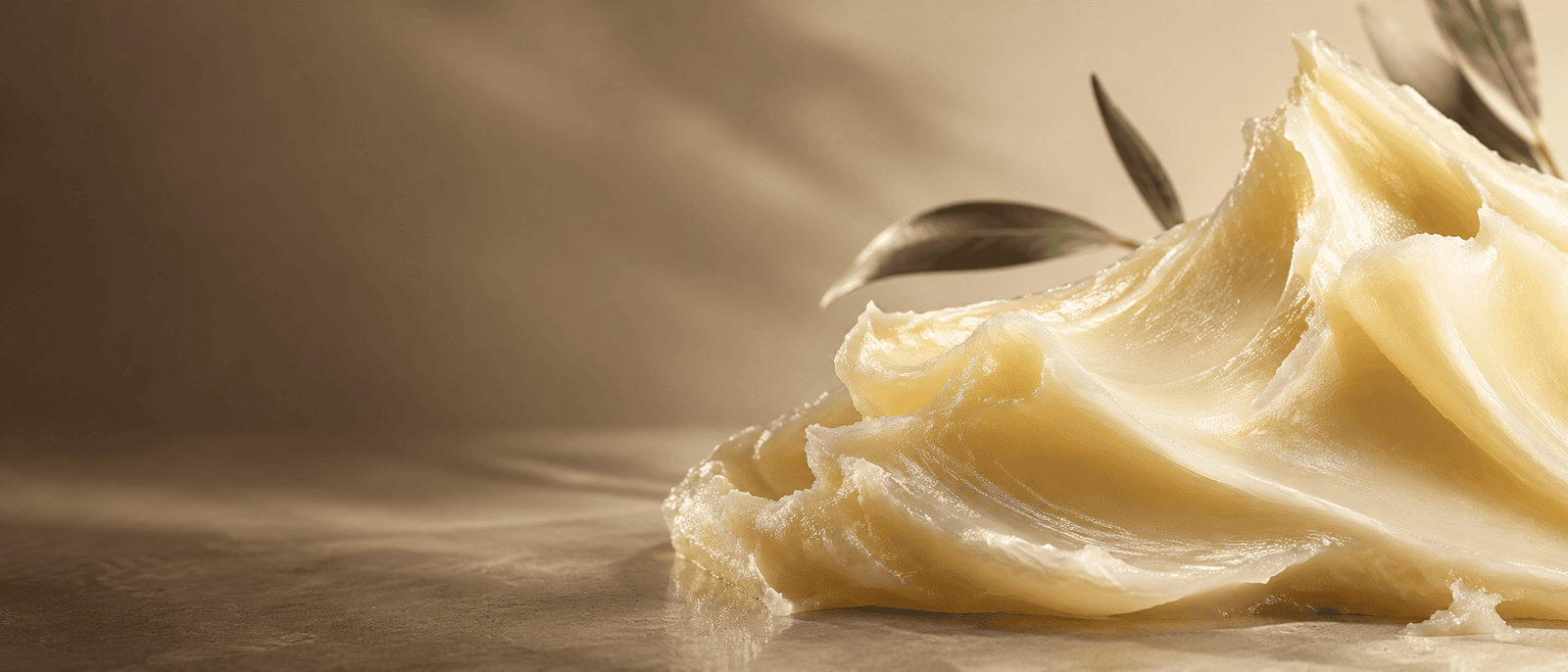
Lanogreen offers a vegetable-derived alternative to anhydrous lanolin, combining emollient functionality with a soft consistency and versatile formulation properties. Suitable for skincare, lip care, and haircare applications, it gives formulators an opportunity to replace animal-derived lanolin while maintaining a focus on sensory performance.
With a melting point of approximately 27°C and a recommended use level of 1–20%, this ingredient brings flexibility to the development of modern personal care formulations.
A Plant-Based Approach to Lanolin Replacement
Lanolin has a long history in cosmetics due to its emollient properties, lubrication, and rich conditioning feel. However, its animal-derived origin limits its use in vegan formulations. Lanogreen offers a plant-based alternative that supports animal-free product development while maintaining important emollient functions. In addition, its relatively low melting point provides flexibility when developing different textures and processing conditions.
The following comparison highlights the key differences between the two ingredients.
| Feature | Traditional Lanolin | Lanogreen |
|---|---|---|
| Origin | Sheep’s wool grease | Vegetable-derived |
| Vegan suitability | No | Yes |
| Emollient functionality | Yes | Yes |
| Conditioning properties | Yes | Yes |
| Physical characteristics | Rich, semi-solid | Soft, solid to semi-solid |
| Thermal specification | Drop point 38–44°C* | Melting point approximately 27°C |
| Water absorption | At least 200%* | Approximately 56% |
| Skincare applications | Yes | Yes |
| Lip care applications | Yes | Yes |
| Haircare applications | Yes | Yes |
| Main advantage | Established cosmetic functionality | Plant-based origin and formulation versatility |
For brands looking to develop vegan cosmetics, the main advantage lies in replacing animal-derived materials without removing valuable emollient functionality from the formulation.
Emollience, Texture, and Formulation Flexibility
The right emollient does more than soften the skin. It also influences how a product spreads, how it feels during application, and the sensory experience it leaves behind.
This vegetable-derived alternative offers lubrication and conditioning properties that can contribute to these characteristics.
One of its most interesting features is its thermal behavior. At approximately 25°C, the material has a solid to semi-solid consistency. However, it becomes liquid around 27°C.
As a result, formulators can explore its incorporation into different oil-phase systems while developing the desired product texture.
Additionally, its water-absorption capacity of approximately 56% provides another functional characteristic to consider when designing cosmetic formulations.
The combination of these properties creates opportunities to develop products that balance plant-based ingredient selection with sensory and formulation requirements.

Skincare Applications: Softness and Sensory Comfort
Consumers expect moisturizers and creams to deliver a pleasant application experience. While some products require a rich, nourishing texture, others focus on smooth spreading and a lighter afterfeel.
Lanogreen can contribute to both formulation approaches as part of a carefully balanced emollient system.
Its lubrication and conditioning properties make it suitable for moisturizers, facial creams, body lotions, and balms.
For example, formulators can explore its contribution to softness and richness in a body cream. Meanwhile, a facial moisturizer may benefit from adjustments to the overall emollient blend to achieve a smoother application profile.
The key formulation benefits include:
- Emollience: Contributes to skin softness and a conditioned feel.
- Lubrication: Supports comfortable spreading during application.
- Texture flexibility: Allows formulators to explore different consistencies and sensory profiles.
- Plant-based functionality: Supports the development of vegan skincare products.
Moreover, its recommended concentration range offers flexibility when working with different product formats.
The final sensory experience depends on the complete formulation, including the other oils, emulsifiers, and structuring ingredients.
Lip Care Applications: Glide and Conditioning
Lip balms and lipsticks require a balance between structure, softness, and comfortable application.
A product that feels too firm may offer limited glide, while excessive softness can affect its stability. Therefore, selecting the right emollient system plays an important role in product development.
This plant-based alternative provides lubrication and conditioning functionality for lip care formulations.
In lip balms, it can contribute to a soft, emollient-rich texture. Similarly, lipstick formulations can explore its role in application feel and product glide.
Its low melting point also creates opportunities to work with different wax-and-oil combinations.
However, the finished product’s firmness depends on the complete formulation. By adjusting the surrounding waxes and structuring ingredients, cosmetic chemists can develop the desired balance between texture and application.
Haircare Applications: Emollience and Conditioning
Haircare formulations also benefit from ingredients that contribute softness and lubrication.
From conditioners to intensive hair masks, the emollient system influences the product’s texture and the feel of the hair after application.
Lanogreen offers a vegetable-derived option for these applications.
For instance, formulators can incorporate it into conditioning masks to support a rich, creamy texture. In leave-in treatments, its emollient functionality can contribute to lubrication and residual softness.
Furthermore, its animal-free origin makes it relevant to brands developing vegan haircare products.
As with other emollients, the final performance depends on the complete conditioning system. Therefore, evaluating its interaction with conditioning agents and other ingredients helps achieve the desired results.

Technical Properties and Formulation Guidelines
A clear understanding of ingredient specifications helps formulators select appropriate processing conditions and concentration levels.
The following technical profile summarizes the main characteristics.
| Property | Specification |
|---|---|
| Origin | Vegetable-derived |
| Physical form | Solid to semi-solid |
| Appearance | Yellow to amber |
| Melting point | Approximately 27°C |
| Water solubility | Insoluble |
| Water absorption | Approximately 56% |
| Recommended use level | 1–20% |
| Maximum heating temperature | 80°C |
| Acid value | Maximum 4.0 mg KOH/g |
| Peroxide value | Maximum 5.0 meq O₂/kg |
The relatively low melting point can simplify incorporation into suitable oil-phase systems. However, temperature changes may also influence the raw material’s consistency during handling.
For this reason, formulators should maintain consistent processing conditions and avoid prolonged heating.
The recommended use level of 1–20% provides flexibility across different cosmetic applications, allowing development teams to select concentrations according to their formulation requirements.
Moving from Conventional to Plant-Based Formulations
Replacing animal-derived lanolin offers formulators an opportunity to explore plant-based alternatives while maintaining important cosmetic functions. For existing formulations, a direct substitution trial provides a practical starting point. For example, a moisturizer containing 5% traditional lanolin can serve as a benchmark for evaluating 5% Lanogreen.
Formulators can then compare texture, spreadability, sensory properties, and stability to assess performance. Since the ingredients have different physical characteristics, some formulations may require adjustments to the oil phase, emulsifier system, or structuring ingredients. Ultimately, the goal is to develop an animal-free product that delivers the desired texture, functionality, and sensory experience.
Expanding the Possibilities of Vegan Beauty
Modern cosmetic development increasingly connects ingredient origin with functionality and consumer experience. Lanogreen brings these qualities together through its vegetable-derived composition, emollient properties, and versatility across skincare, lip care, and haircare. With its soft consistency, low melting point, and recommended use level of 1–20%, it gives formulators flexibility to develop different textures and product formats.
Whether reformulating an existing product or creating a new vegan concept, this plant-based alternative offers a practical way to replace conventional lanolin while maintaining important emollient functions.tunity to move beyond conventional lanolin while retaining important emollient functions.
Discover the formulation possibilities of Lanogreen and explore how plant-based emollience can support your next cosmetic innovation.