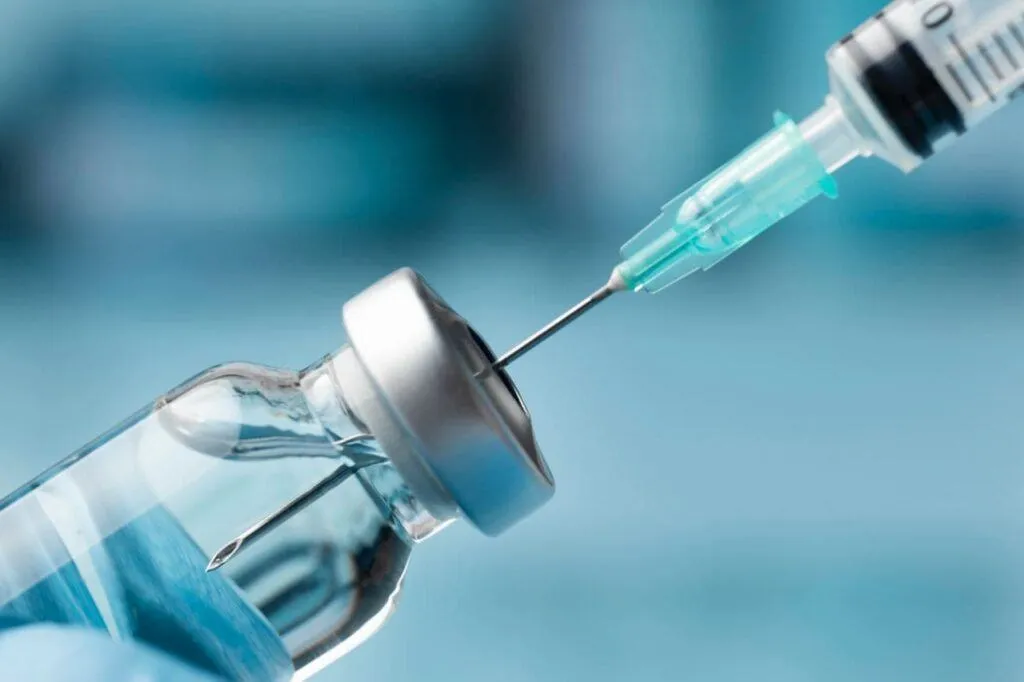
As peptide innovation accelerates, confusion between topical cosmetic peptides and injectable peptide therapies has intensified. Increasingly, marketing language, influencer content, and even some technical discussions imply that topical peptides function as weaker versions of injectable treatments. However, this assumption is biologically incorrect and scientifically risky. Therefore, by 2026, clarifying the boundary between topical and injectable peptide mechanisms has become essential for formulation accuracy, claim defensibility, and regulatory safety.
Importantly, topical peptides are not failed injectables. Instead, they operate within entirely different biological constraints, signal scopes, and therapeutic intentions. Consequently, understanding where cosmetic biology legitimately ends protects brands from illegal claims while enabling formulators to design peptides that perform optimally within their intended domain.
Why This Misconception Exists
Historically, peptides entered cosmetics through inspiration from medical research. As a result, early marketing borrowed language associated with injectable therapies. Moreover, as clinical aesthetics gained popularity, consumers began to equate visible results with injectable mechanisms.
However, although both systems use peptides, their delivery routes, concentrations, biological targets, and safety requirements differ fundamentally. Therefore, any direct comparison oversimplifies complex biological realities.
The Fundamental Biological Divide
The primary distinction between topical and injectable peptides lies in biological access. Injectable peptides bypass the epidermal barrier entirely, entering systemic or localized tissue environments directly. In contrast, topical peptides must operate through the skin barrier, interacting primarily with epidermal and superficial dermal signaling systems.
Consequently, topical peptides are designed to modulate biological processes rather than replace or restructure tissue directly.
Delivery Route Defines Mechanism
Injectable peptides achieve high local or systemic concentrations rapidly. Therefore, they can directly influence structural proteins, neuromuscular junctions, or metabolic pathways. Meanwhile, topical peptides remain constrained by diffusion limits, enzymatic exposure, and receptor accessibility.
As a result, topical peptides function as signaling cues rather than structural agents.
Concentration and Exposure Reality
Injectable peptides operate at pharmacological concentrations under controlled dosing. In contrast, cosmetic peptides must remain within safety margins appropriate for daily topical use. Consequently, topical peptides cannot replicate the magnitude or immediacy of injectable effects.
Nevertheless, lower concentration does not imply lower relevance. Instead, it reflects a different biological objective.
Target Tissue Differences
Injectables act within muscle, adipose tissue, or deeper dermal layers. Conversely, topical peptides primarily interact with keratinocytes, fibroblasts near the dermal–epidermal junction, and sensory receptors.
Therefore, expecting topical peptides to induce muscle paralysis, volumization, or tissue restructuring is biologically unfounded.
Why Topical Peptides Are Not “Weak Injectables”
Labeling topical peptides as diluted injectables misunderstands their purpose. Cosmetic peptides are engineered to support skin communication pathways, barrier function, and gradual adaptive responses.
In contrast, injectables override biological systems temporarily to produce immediate, visible changes. Therefore, the two approaches are not scalable versions of the same mechanism.
Comparison Template: Topical vs Injectable Peptides
| Parameter | Topical Peptides | Injectable Peptides |
|---|---|---|
| Delivery route | Transdermal / epidermal | Intramuscular / intradermal / systemic |
| Concentration | Low, safety-limited | Pharmacological |
| Primary action | Signal modulation | Structural or functional intervention |
| Onset speed | Gradual | Rapid |
| Regulatory category | Cosmetic | Medical / drug |
Why Mimicry Language Creates Risk
Claims suggesting that topical peptides “act like injectables” invite regulatory scrutiny. Moreover, they misalign consumer expectations, leading to dissatisfaction even when products perform as designed.
Therefore, scientific clarity is not only ethical but commercially protective.
Biological Scope of Cosmetic Peptide Signaling
Topical peptides influence gene expression, cellular communication, and microenvironmental adaptation. Consequently, their benefits accumulate through repeated exposure rather than immediate transformation.
This cumulative model aligns with cosmetic use patterns and skin biology.
Why Injectables Cannot Be Replicated Topically
Even with advanced delivery systems, topical peptides cannot bypass enzymatic degradation, receptor desensitization, and diffusion limits to reach injectable-like effects. Therefore, attempting to force equivalence through formulation inevitably fails.
Where Topical Peptides Excel Instead
Rather than chasing injectable outcomes, topical peptides excel when designed to:
- Support barrier recovery
- Modulate inflammation
- Improve signaling efficiency
- Enhance long-term skin resilience
Testing Misalignment: Why Results Get Misread
Injectable benchmarks often inform cosmetic expectations incorrectly. As a result, studies measure the wrong endpoints for topical peptides.
By 2026, peptide testing increasingly focuses on pathway activation and adaptive response rather than visible transformation alone.
Implications for Claims and Product Strategy
Defensible claims emphasize support, modulation, and cumulative benefit. Conversely, claims implying replacement, paralysis, or structural correction exceed cosmetic boundaries.
Future Outlook
Ultimately, topical peptide innovation will accelerate once the industry abandons injectable comparison frameworks. Precision signaling, not mimicry, defines the future.
Key Takeaways
- Topical peptides are not injectable analogs
- Delivery route defines biological scope
- Cosmetic peptides modulate rather than replace biology
- Mimicry claims increase regulatory risk
- Precision signaling outperforms imitation