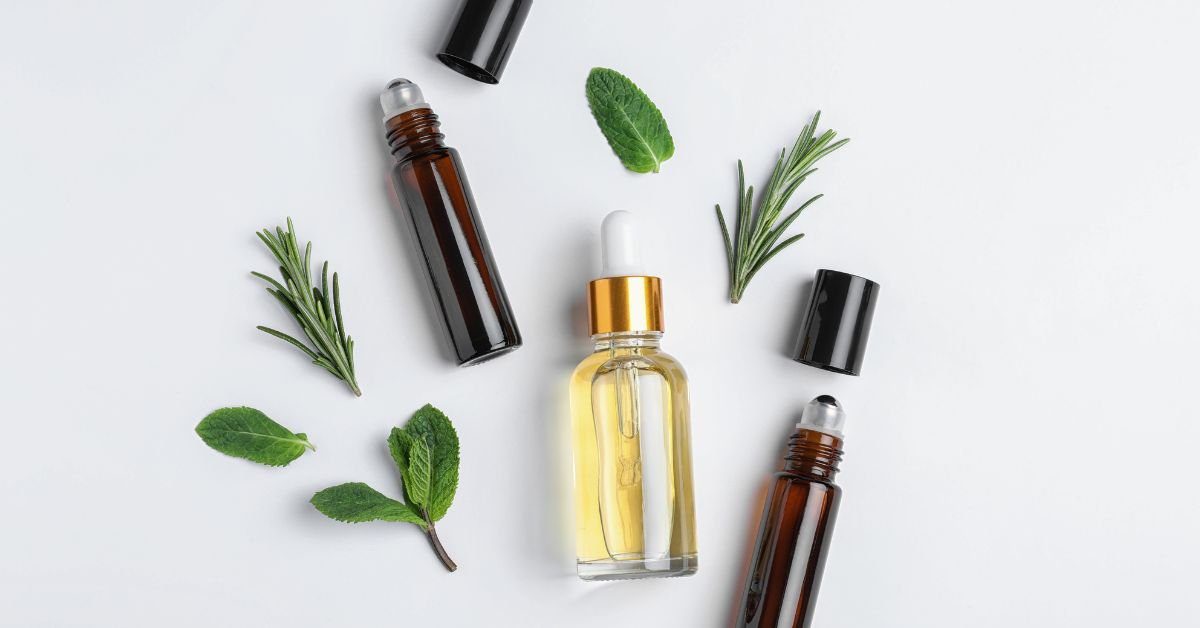
Packaging is often treated as a passive container whose role ends at protection and aesthetics. However, by 2026, formulation failures increasingly reveal that packaging actively controls lipid performance long after filling. For botanical oil systems, container material, oxygen permeability, surface chemistry, and closure design directly influence oxidation kinetics, sensory drift, and functional shelf life.
This article explains how packaging interacts with botanical oils at a molecular level, why identical formulations age differently across containers, which failure modes appear months after launch, and how formulators must design oil systems and packaging as a single integrated unit rather than independent decisions.
Why Packaging Is Not Neutral
Botanical oils are chemically active systems. They exchange gases, adsorb to surfaces, migrate plasticizers, and respond to trace metals. Packaging therefore becomes a kinetic variable that alters oxidation rate, antioxidant depletion, and surface persistence.
In 2026, high-performance formulations fail less due to ingredient choice and more due to packaging mismatch.
Primary Packaging–Oil Interaction Mechanisms
Oxygen Transmission
Oxygen ingress drives oxidation acceleration once antioxidant systems are depleted. Even minimal oxygen permeability can dramatically shorten functional shelf life.
Surface Adsorption
Oils interact with container walls. Polar components, unsaponifiables, and antioxidants can adsorb onto packaging surfaces, reducing effective concentration.
Extractables and Leachables
Plasticizers, stabilizers, and residual monomers can migrate into oils, catalyzing oxidation or altering odor and color.
Light Exposure
Photo-oxidation accelerates degradation in unsaturated oils and carotenoid-rich systems when packaging lacks UV protection.
Packaging Materials and Oil Risk
| Packaging Material | Oxygen Barrier | Adsorption Risk | Overall Oil Stability |
|---|---|---|---|
| Glass | Excellent | Low | High |
| Aluminum | Excellent | Moderate (liners) | High |
| HDPE | Moderate | Moderate | Variable |
| PET | Moderate–Low | Low–Moderate | Moderate |
| PP | Low | High (for polar fractions) | Low |
Oxygen Transmission Rate as a Design Parameter
OTR values determine how quickly oxygen enters the package headspace and oil phase. Oils with long induction periods may still fail early if oxygen ingress exceeds antioxidant capacity.
By 2026, formulators increasingly specify maximum acceptable OTR values based on oil oxidation kinetics rather than generic packaging categories.
Headspace Volume and Closure Integrity
Headspace oxygen is often overlooked. Large headspace volumes increase initial oxygen load, shortening induction time before antioxidants are consumed.
Similarly, pump and dropper closures frequently introduce oxygen with each use, creating use-phase oxidation that stability testing often fails to capture.
Adsorption of Unsaponifiables and Antioxidants
Polar unsaponifiables such as tocopherols and sterols can adsorb onto plastic surfaces, particularly polypropylene. This reduces antioxidant availability and weakens barrier-support benefits over time.
As a result, oils may oxidize faster and lose functional performance without obvious analytical red flags.
Plastic Migration and Catalytic Effects
Certain plastic additives migrate into oils and act as oxidation catalysts. Even trace levels can accelerate degradation, especially in polyunsaturated systems.
By 2026, extractables and leachables testing becomes standard for oil-rich formulations.
Light-Induced Degradation
UV and visible light initiate photo-oxidation in oils containing chlorophylls or carotenoids. Transparent packaging dramatically increases risk, even when antioxidants are present.
Amber glass or UV-blocking plastics significantly extend functional shelf life in sensitive systems.
Why Stability Testing Misses Packaging Failures
Many stability protocols store samples unopened and undisturbed. This fails to simulate oxygen ingress during consumer use or adsorption effects that occur gradually.
By 2026, use-phase simulation becomes essential for realistic shelf-life prediction.
Packaging Effects on Sensory Drift
Packaging-driven oxidation rarely presents as immediate rancidity. Instead, subtle sensory changes accumulate: loss of softness, increased drag, altered after-feel, and faint off-notes.
Consumers perceive these changes as reduced quality even when expiration dates remain valid.
Designing Packaging-Compatible Oil Systems
- Match oil oxidation kinetics to OTR limits
- Minimize headspace volume
- Select low-adsorption materials for polar oils
- Use UV protection for pigment-rich systems
- Validate closure oxygen ingress during use
Packaging Selection in Silicone-Free Systems
Silicone-free formulations rely heavily on botanical oils, increasing packaging sensitivity. Without inert silicone buffers, oil systems respond more strongly to oxygen and surface interactions.
Therefore, packaging decisions carry greater weight in silicone-free designs.
Regulatory and Claim Implications
Shelf-life and stability claims increasingly face scrutiny when packaging accelerates degradation. Regulators expect alignment between formulation, packaging, and claimed durability.
Future Outlook
By 2026, packaging is treated as a formulation variable. Successful products are designed as integrated oil–container systems rather than ingredient lists placed into arbitrary bottles.
Key Takeaways
- Packaging actively controls oil oxidation and performance
- Oxygen ingress is the primary failure driver
- Plastic adsorption reduces functional components
- Light exposure accelerates degradation
- Packaging and formulation must be designed together