
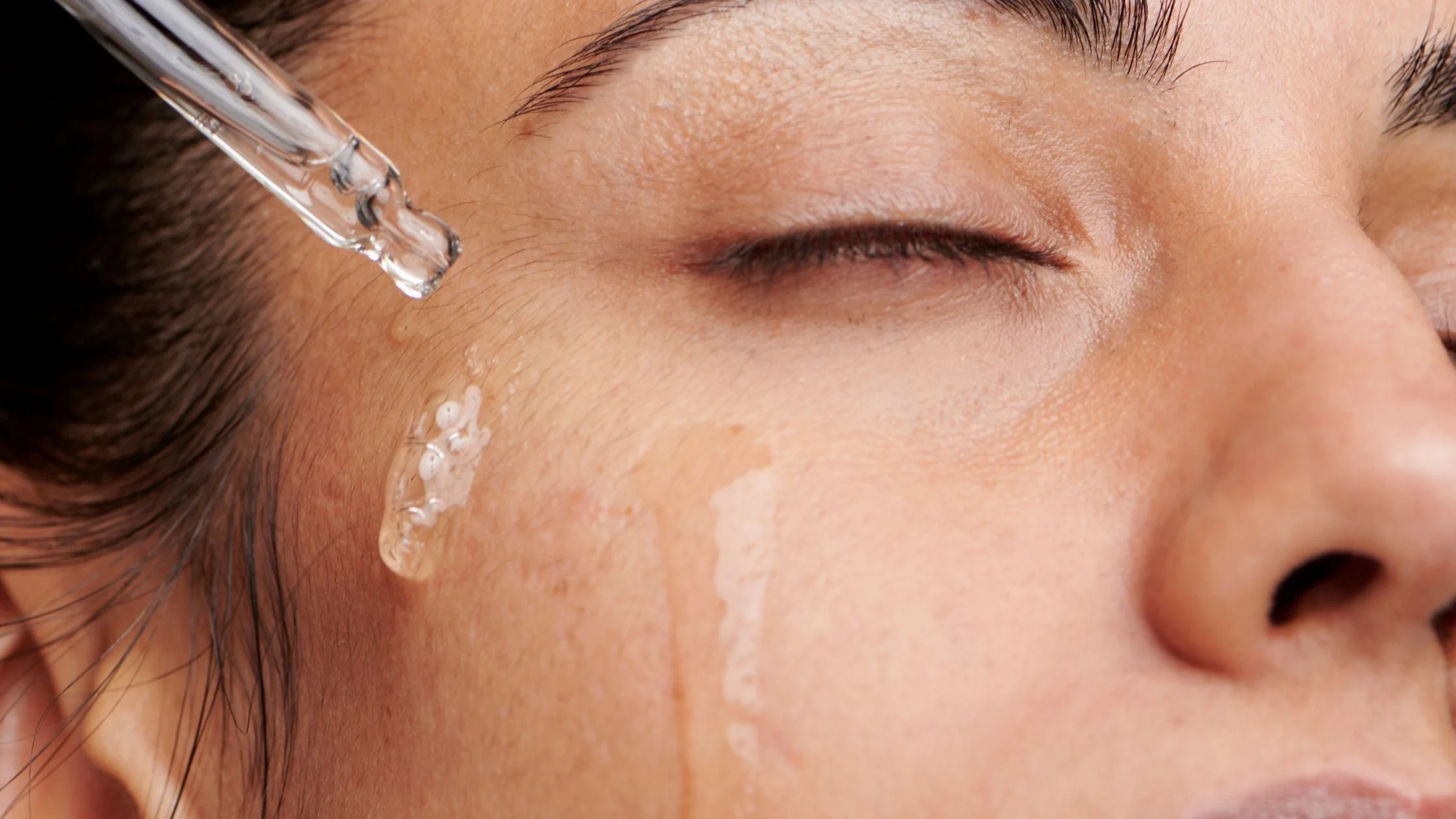
Peptide actives represent a biologically driven approach to skin renewal that differs fundamentally from vitamin A derivatives. Rather than accelerating epidermal turnover through irritation, peptides function as signaling molecules. They communicate directly with keratinocytes and fibroblasts to regulate protein synthesis, cellular repair, and extracellular matrix organization. Consequently, peptide-based renewal emphasizes gradual improvement and barrier preservation.
Because peptides are already present in human skin biology, their signaling pathways align closely with physiological processes. As a result, peptide actives can support renewal without triggering the inflammatory cascades commonly associated with retinoids. This distinction has positioned peptides as strong candidates for retinol-alternative strategies, particularly for sensitive and reactive skin.
Why Fermentation Changes Peptide Behavior
Raw peptides often face challenges related to stability, penetration, and consistency. Fermentation addresses these limitations by transforming peptide structures through controlled enzymatic activity. During fermentation, longer peptide chains may be partially cleaved into smaller bioactive fragments. Therefore, fermented peptides exhibit improved skin compatibility and more predictable biological interaction.
Additionally, fermentation can reduce residual impurities and stabilize peptide fractions. Consequently, fermented peptide actives demonstrate enhanced tolerance and reproducibility in cosmetic formulations. This transformation is not merely preservative; it actively improves functional performance.
Mechanisms of Action Compared to Retinol
Retinol induces renewal by accelerating cell turnover through controlled irritation. While effective, this mechanism frequently compromises barrier integrity. In contrast, fermented peptide actives work through non-inflammatory signaling pathways. They stimulate fibroblast activity, support collagen and elastin synthesis, and encourage organized keratinocyte differentiation.
Because peptides do not rely on retinoic acid conversion, they avoid photosensitivity and irritation. As a result, fermented peptide actives provide a renewal pathway that is compatible with daily use and long-term skin health.
Collagen, Elastin, and Matrix Support
One of the most valuable roles of fermented peptide actives lies in their ability to influence extracellular matrix dynamics. Specific peptide sequences signal fibroblasts to increase collagen production while supporting elastin organization. Over time, this signaling contributes to improved firmness, elasticity, and skin texture.
Furthermore, fermented peptides often demonstrate synergistic effects with other barrier-support actives. Consequently, they can be incorporated into comprehensive renewal systems rather than functioning as isolated ingredients.
Sensitive Skin Compatibility
Sensitive skin is characterized by heightened neurosensory responses, impaired barrier function, and increased inflammatory signaling. Aggressive actives exacerbate these conditions. Fermented peptide actives, however, operate within narrow biological tolerances. Their signaling intensity is low but cumulative, allowing the skin to adapt gradually.
Because fermentation minimizes reactive impurities, fermented peptides are better tolerated than many synthetic signaling molecules. Therefore, they are suitable for daily-use products designed for long-term improvement rather than rapid correction.
Interaction With the Skin Microbiome
The skin microbiome plays a central role in immune modulation and barrier integrity. Disruptive actives can destabilize this ecosystem. Fermented peptide actives interact gently with microbial communities, as their metabolites often resemble naturally occurring skin compounds.
As a result, fermented peptides can be paired with postbiotic and microbiome-supportive ingredients without compromising microbial balance. This compatibility aligns with modern formulation strategies focused on holistic skin health.
Comparison: Fermented Peptide Actives vs Traditional Retinoids
| Attribute | Fermented Peptide Actives | Traditional Retinoids |
|---|---|---|
| Vitamin A content | None | Present |
| Irritation risk | Low | Moderate to high |
| Photosensitivity | No | Yes |
| Barrier compatibility | High | Often compromised |
| Mechanism | Cell signaling | Irritation-driven turnover |
Formulation Design Considerations
Fermented peptide actives integrate effectively into emulsions, serums, and barrier-focused formulations. Because they do not require buffering or encapsulation to mitigate irritation, formulators have greater flexibility in texture and delivery design.
Additionally, fermented peptides pair well with fermented ceramides, postbiotics, and humectants. This compatibility enables the creation of renewal systems that improve structure while maintaining comfort.
Regulatory and Market Relevance
Unlike retinoids, fermented peptide actives are not subject to vitamin A–related regulatory scrutiny. Consequently, they offer global formulation flexibility. From a market perspective, peptides align with growing demand for gentle, science-driven alternatives to traditional anti-aging actives.
Long-Term Outlook
As fermentation technologies advance, peptide optimization is expected to improve further. New enzymatic processes will likely enhance bioactivity while maintaining tolerance. Therefore, fermented peptide actives are positioned to become foundational components of next-generation renewal strategies.


