
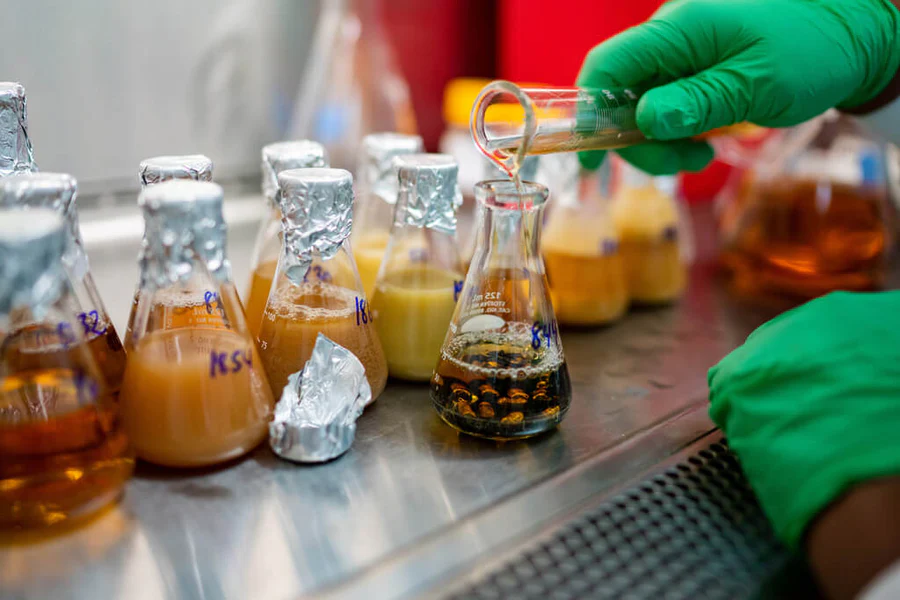
In 2026, fermentation moves beyond tradition and enters the era of precision biology. Postbiotic ferment systems redefine how skincare interacts with the skin’s microbiome, barrier, and immunity. Instead of applying live bacteria, next-generation formulas deliver the metabolites and signaling molecules that microbes use to communicate. Consequently, beauty becomes more adaptive, safer, and scientifically precise.
From probiotics to postbiotic intelligence
Earlier microbiome care revolved around probiotics—living cultures meant to replenish flora. However, their fragility and stability issues limited real-world use. Postbiotics, in contrast, are non-living but biologically active. They include peptides, polysaccharides, and organic acids that influence microbial balance and immune modulation without requiring refrigeration. Therefore, they provide the benefits of probiotic communication without the limitations of live strain survival.
What defines a postbiotic ferment system
A postbiotic ferment system combines fermentation technology, biofiltrate purification, and carrier design. During fermentation, bacteria or yeast generate bioactive compounds. These are then filtered and stabilized to retain their beneficial metabolites while removing cell debris. As a result, the extract remains active but safe, offering stability across pH ranges and formulation types—from serums to scalp treatments.
Core bioactive fractions found in 2026 ferments
- Short-chain peptides: Support barrier repair and reduce redness by reinforcing keratinocyte cohesion.
- Organic acids: Balance skin pH and gently inhibit pathogens without disturbing commensal flora.
- Exopolysaccharides: Improve hydration and biofilm resistance, forming a natural protective matrix.
- Enzyme cofactors and vitamins: Enhance metabolic efficiency and antioxidant defense.
Smart fermentation and molecular tailoring
Modern postbiotic systems are no longer simple yeast filtrates. AI-assisted fermentation platforms now adjust nutrient feed, pH, and oxygen levels to direct specific metabolite profiles. Consequently, formulators can “tune” ferments for calming, brightening, or strengthening effects. In addition, green bioreactor systems recycle media and energy, reducing carbon footprint by up to 60% compared with conventional fermentation.
New-generation postbiotic sources
Lactobacillus-derived postbiotics
These lactic ferments produce lactic acid, peptides, and biosurfactants that smooth texture and strengthen the microbiome barrier. Moreover, they are ideal for sensitive and reactive skin systems.
Saccharomyces and Kombucha ferments
Rich in vitamins B and organic acids, these ferments improve luminosity and hydration. Consequently, they appear in 2026’s new wave of glow-boosting and barrier-repair products.
Plant-based ferments
Plant tissue cultures fermented with probiotic bacteria release rare sugars, amino acids, and antioxidants. Therefore, they merge phytoactives and microbiome science for hybrid wellness formulations.
Marine postbiotics
Extremophile marine bacteria generate enzymes that resist oxidative stress. These postbiotics protect skin exposed to pollution and UV, expanding beyond traditional antioxidant systems.
Postbiotics and the skin immune connection
The skin’s microbiome communicates directly with immune receptors such as Toll-like receptors (TLR). Postbiotics modulate these receptors to promote tolerance instead of inflammation. As a result, barrier function strengthens and reactivity decreases. This discovery drives 2026’s interest in immuno-cosmetics—a fusion of microbiology and immunology that encourages calm, resilient skin.
Formulation architecture for stability
Because postbiotics are highly water-soluble, formulators stabilize them through encapsulation and fermentation-derived polysaccharide gels. These carriers protect metabolites against oxidation while enhancing skin adherence. In addition, lipid vesicles and biopolymer films ensure extended release, allowing lower active concentration with equal efficacy. Consequently, products remain potent yet gentle, aligning with clean beauty expectations.
Synergy with other modern systems
Postbiotic systems integrate seamlessly with other 2026 innovations. They complement cellular longevity actives by improving communication pathways and mitigating inflammation. Furthermore, pairing them with sustainable polymers enhances environmental safety, creating formulations that nurture both skin and planet. This convergence defines the holistic approach of 2026 skincare design.
Clinical validation and data
In-vitro and in-vivo trials confirm measurable benefits. A 2025 study demonstrated that postbiotic lysates reduced skin sensitivity by 28% while restoring barrier lipids within seven days. Another clinical test showed Saccharomyces ferments improving hydration by 35%. Moreover, formulations containing combined Lactobacillus and plant ferments decreased visible redness and improved texture uniformity after four weeks.
Applications across product categories
- Serums: Concentrated postbiotic filtrates for hydration, clarity, and calm.
- Creams: Encapsulated ferments balancing microbiota while reducing sensitivity.
- Mists and essences: Lightweight postbiotic waters offering immediate soothing and pH balance.
- Scalp care: Ferment complexes regulating microflora for flake-free comfort.
- Body care: Postbiotic emulsions enhancing smoothness and elasticity.
Sustainability and fermentation ethics
Postbiotics align perfectly with green biotechnology. Closed-loop fermentation uses renewable substrates, while AI algorithms minimize nutrient waste. Moreover, no animal components or live bacteria enter the final formula, simplifying safety certification. Consequently, postbiotic ferment systems embody both performance and responsibility—hallmarks of 2026 formulation ethics.
Future synergy: microbiome and neuro-skin science
Emerging research reveals that microbial metabolites influence neurochemical signaling. Postbiotics that enhance serotonin and GABA pathways reduce sensitivity and improve skin comfort. Therefore, the next phase of microbiome care will bridge mood, emotion, and barrier function—creating wellness experiences that connect mind and skin through biochemistry.
Explore next-generation ferments
Visit the Active Ingredients hub to explore advanced postbiotic lysates, marine ferments, and phytoferments engineered for microbiome synchrony. Each ingredient merges precision biotechnology with sustainable innovation for adaptive, intelligent skincare.
Conclusion: the biology of balance
Postbiotic ferment systems represent the maturity of microbiome science. They distill the wisdom of microbes into stable, functional, and sustainable skincare. By 2026, the focus will not be on adding life to a bottle but on guiding life already on the skin. Consequently, postbiotics will define the next horizon of cosmetic innovation—where microbiome harmony and biotechnology work as one.
Research Links
Plant and marine ferments in sustainable formulation
Postbiotic lysates reducing sensitivity and improving barrier lipids
Ferment complexes improving hydration and tone


